Category: Marketing

  • 🔥Trend Tsunami: Creating Billion Dollar Cultural Icons 🌪️

    🔥Trend Tsunami: Creating Billion Dollar Cultural Icons 🌪️

    🔥Trend Tsunami: Creating Billion Dollar Cultural Icons 🌪️

    Labubu Dolls.  

    Matcha Tea.

    Dubai Chocolate.

    Stanley Tumblers.

    Everyday products transformed as global cultural icons!

    They didn’t just sell—they stormed the world. 🔥

    Global Trend Cultural Icons
    Global Trend Cultural Icons

    What do they have in common? What fueled such gravity-defying growth?

     🎠 Childhood nostalgia

     🎯 Bold self-expression

     📈 Social media waves

     🌎 Global tribe mentality

     🎁 The thrill of new and now

     🍀 And maybe… a dash of pure luck?

    Whatever the truth is — it’s magic in motion. ✨ A marketer’s dream. A strategist’s jackpot. 💡💰

    These aren’t just products — they’re movements 💃🌪️

    They build communities, reshape markets, and spark economic booms.

    The world doesn’t just buy them. It follows them.

    Because when a product hits the sweet spot,  it doesn’t just trend — it transcends!

    Here’s to the next wave of viral magic… Are you ready to catch it? 🚀

    Images belong to copyright owners – used for representation! 

  • How To Get Your Dream Job? Nina Mufleh Inspires!

    How To Get Your Dream Job? Nina Mufleh Inspires!

    All of us have a dream job !

    All of us have a dream customer !

    All of us have a dream date !

    All of us have a dream project !

    But as the nature of things go, not all dream assignments land up in our lap. Some times we are lucky, but some times we have to work of it. How many times we really work for it? How many times we just give up?

    How many times we can persevere? How many times can we think innovatively?

    Here is a great example. I saw this post on NextShark and could not resist writing a post on it.

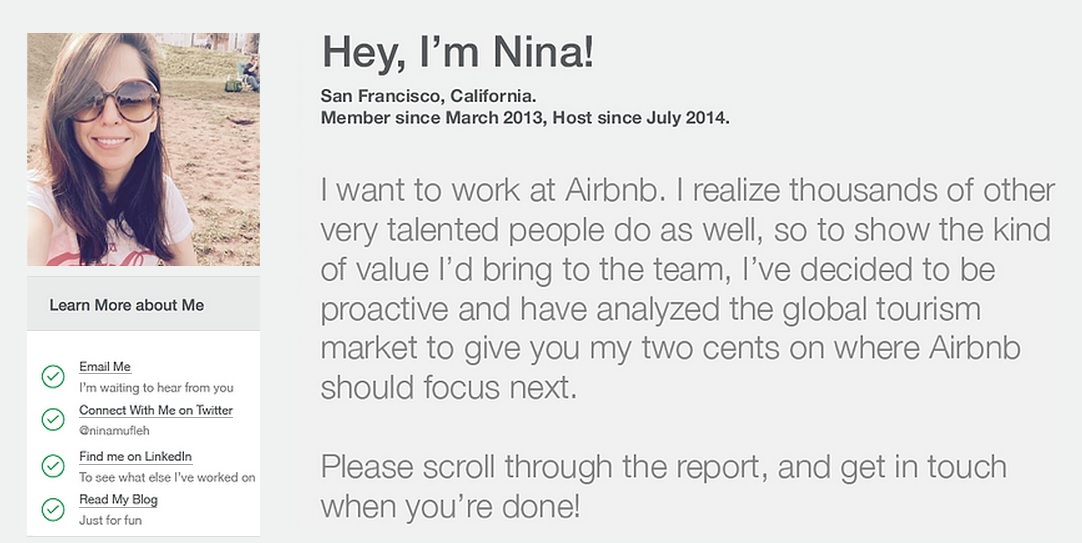
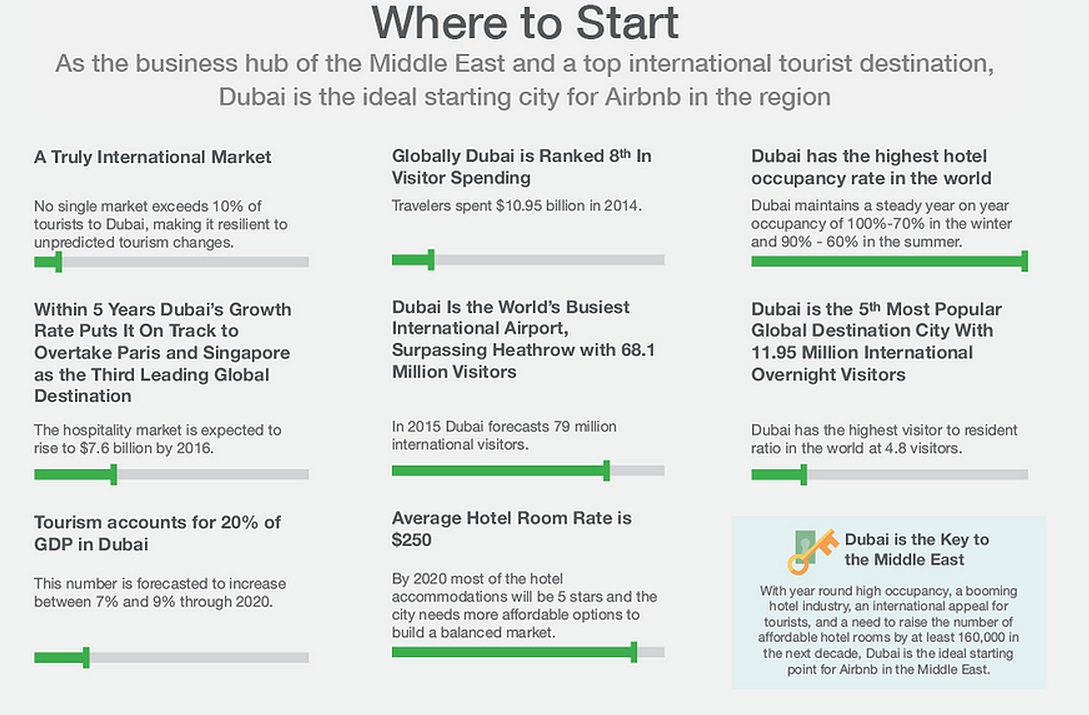
    Nina Mufleh wanted to work for Airbnb. She moved to San Francisco and applied for a job multiple times. She was not successful. 

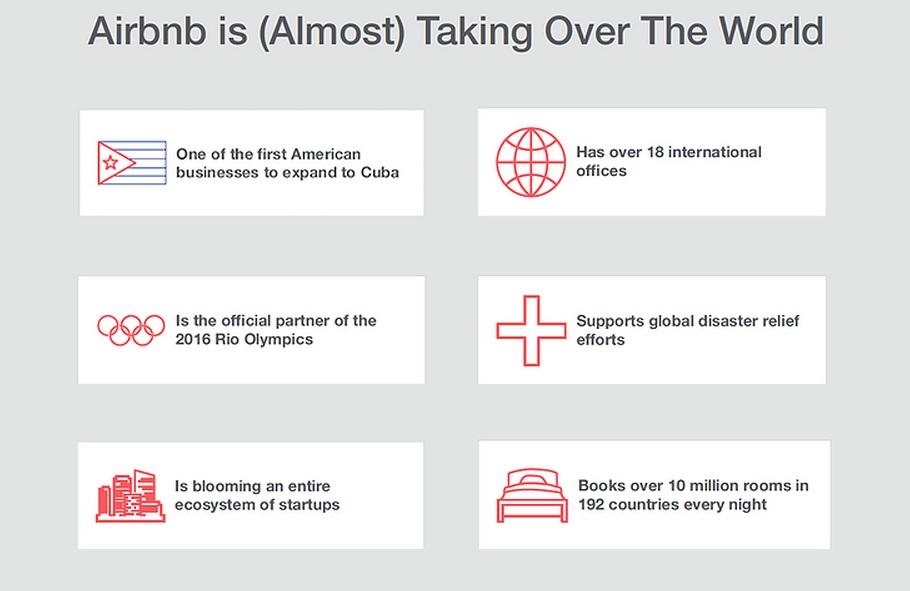
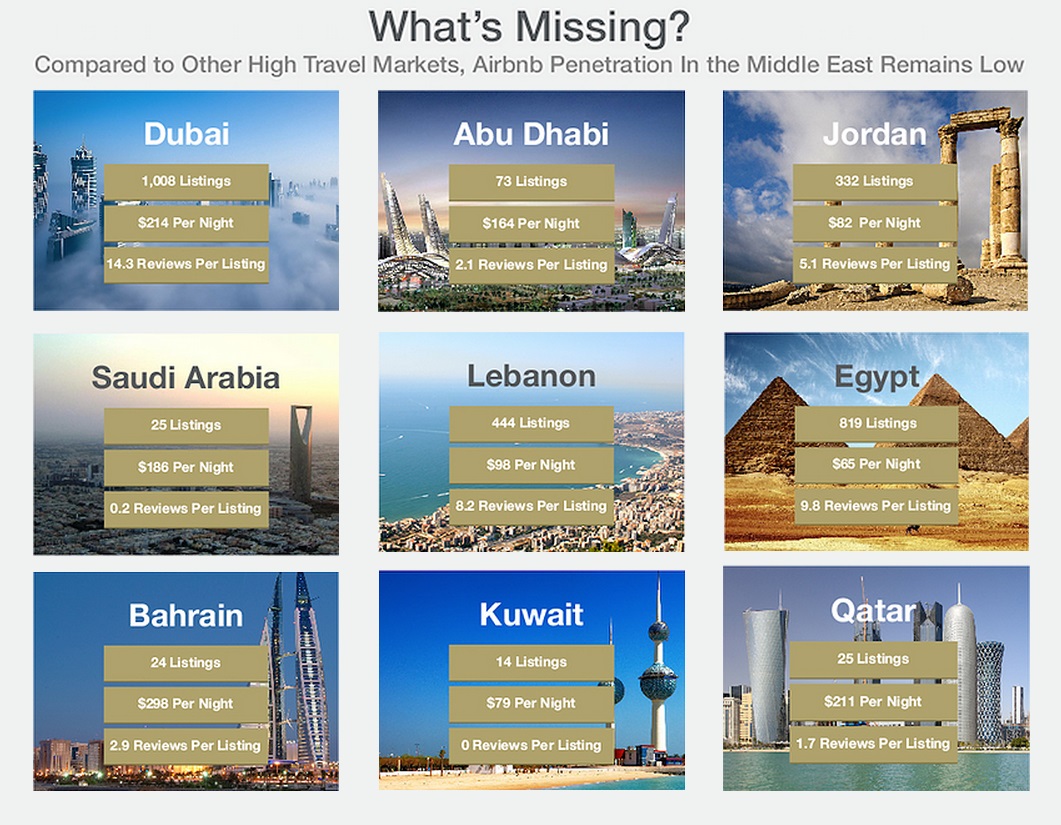
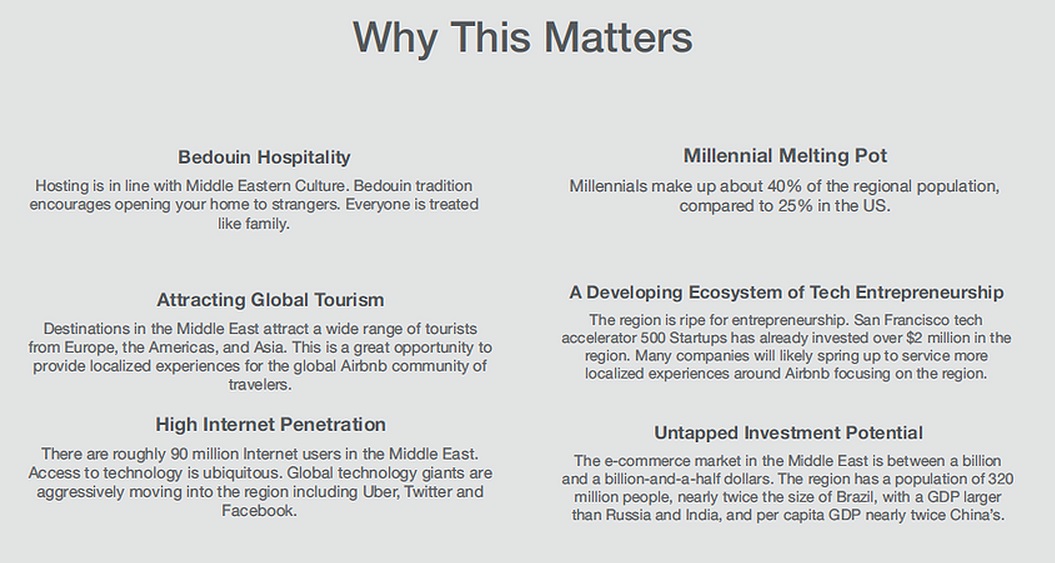
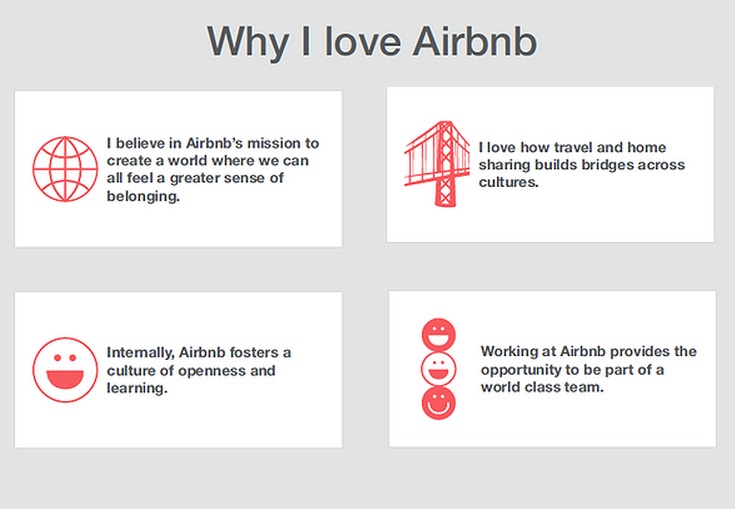
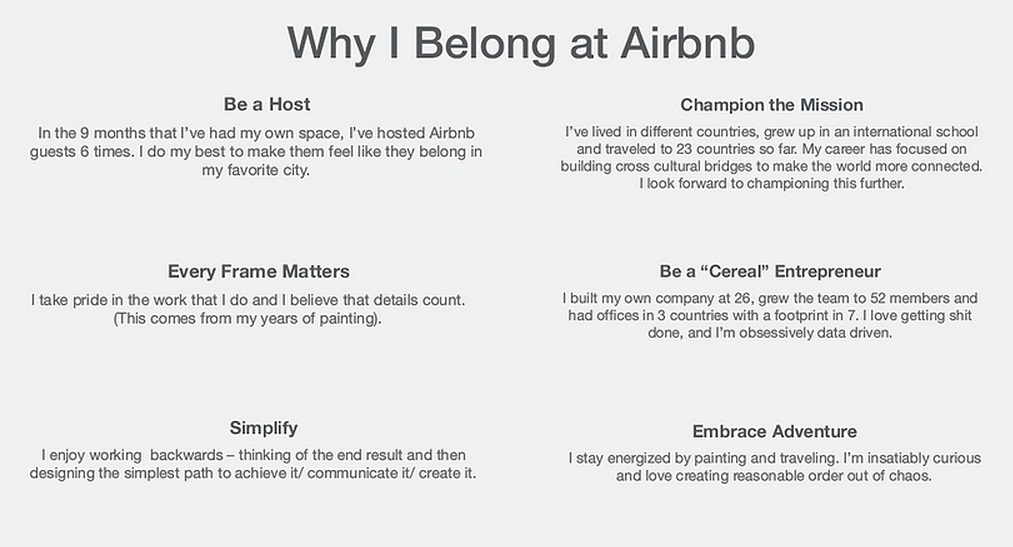
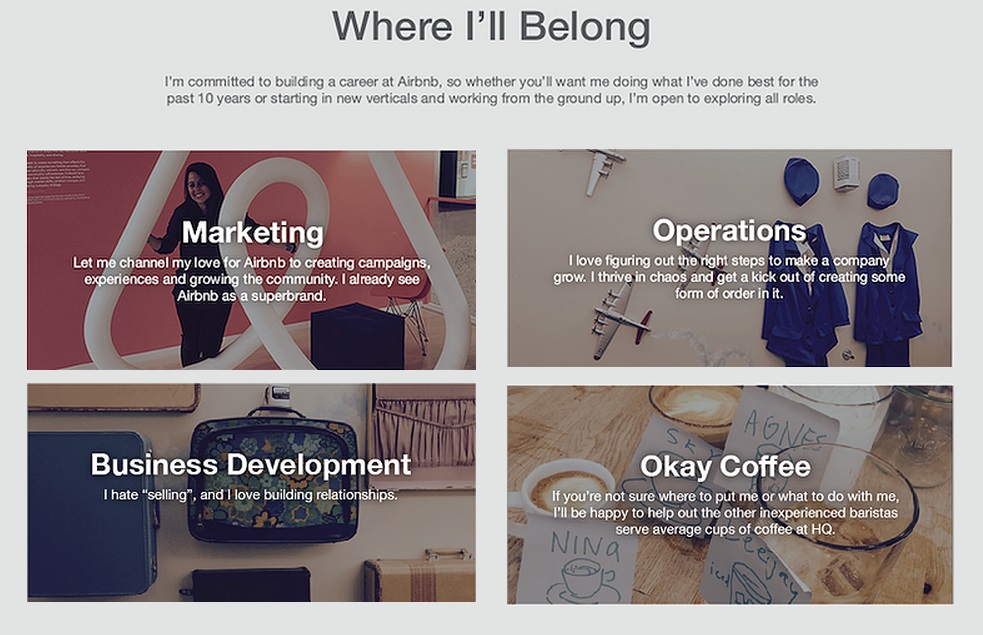
    She worked on an innovative way to get the attention and get her dream job. She created a website called Nina4Airbnb. She posted this on social media and got the attention of Airbnb. Of course, she also got a job.

    Nina inspires us in many ways:

    1. Perseverance – Never take NO for an answer

    2. Innovation – Think Innovatively and get attention

    3. Ideas To Action – Instead of giving up, she found a new way. She put lot of hard and efforts to push her innovative resume / website.

    4. Value – The value proposition was clear. Read each and every word. Including conclusion and humor. She also gave possible ideas. Seeing the website was the proof of all the values she brought to the table. It also showed her creativity, zeal, energy.

    5. Top-Down Approach – She pitched the idea to the top – Airbnb CEO.

    6. Leverage Social Media – She used Social Media to get her message delivered.  Thus she got support of millions of Airbnb fans as well. It would be really difficult for Airbnb to ignore her.

    Nina’s ideas can be used by every sales person trying to get that important meeting with the dream prospect.

    Image Credits: NextShark / Nin4airbnb.

     Nina1 Nina2 Nina3 Nina4 Nina5 Nina6 Nina7 Nina8

    Credit: http://vancouvercitycentreesc.ca/wp-content/uploads/2017/01/dream-job.jpg

  • Honey Singh & The Blockbuster Strategy

    Honey Singh & The Blockbuster Strategy

    Anita Elberse’s Blockbusters is one of the must read books in the entertainment world today. It makes a refreshing and a strong argument for the cause of Blockbusters.

    Anita Elberse is an award-winning scholar at Harvard Business School. She teaches a course on Strategic Marketing in Creative Industries, covering the businesses of entertainment, media, and sports. Her book ‘Blockbusters: Hit-making, Risk-taking, and the Big Business of Entertainment’ is awarded Amazon’s “Best Books of 2013” in the Business and Investing category.

    According to Anita, the blockbuster strategy ensures higher success rate at box office and reduce risk. Blockbuster strategy of investing in big potential winners reaps rich rewards across industry segments – movies, sports, video games, music bands, hotels, restaurants, electronics. She uses examples of Warner Brothers, Beyonce, Argentinian Soccer Clubs, Jay-Z etc to drive home the point. For example, Warner Bros. earned more than 40% of revenues from the top 10% of films produced from 2007 to 2011. In 2011, 102 music tracks, 0.001% of the eight million tracks on offer that year, sold more than a million units, representing 15% of total music sales. That’s up from 36 tracks with more than a million units sold in 2007, representing 7% of sales. At the other end of the curve, 94% of all tracks in 2011 sold fewer than 100 units, and 32% sold only one copy.

    Blockbuster Strategy is exploiting the “winner-takes-it-all” strategy. Studios should focus on more Blockbuster movies and produce less movies.

    If you think more about, the strategy is clearing shaping the world around us. The energies that are behind launching mobile phones are example of Blockbuster strategies. See how Samsung launches its new phones.

    In Indian context, the same phenomena are clearly visible. The biggest Indian movie of recent time was Dhoom 3. It was the first movie to reach near INR 5 Billion (85 Million USD). Incidentally, Indian movies first reached the 1 Billion INR mark only in 2010 onwards. India’s biggest sporting league is Indian Premiere League (cricket). It mimics NFL. India’s top singer is Honey Singh today. He has taken over the imagination of India. He is our equivalent of Beyonce and Jay-Z strategies.

    Infact, India is under the election fever. And the front runner for PM Post has emerged as his party favorite using the Blockbuster strategy. What he did in his party, he is doing at the national level.

    Finally, Blockbuster Strategy is carpet bombing the masses. It is mass strategy. The world is also moving towards more customized experiences. The world is moving towards niches. Toward slow movement. It could be the big challenger to Blockbuster strategy.

    Blockbusters

  • Logo – Inspirations!

    A. Magnet Technologies Logo 2004: (Designed By Magnet Team)

    B. R P – Sanjiv Goenka Group Logo 2011:

    Source: http://brandingsource.blogspot.com/2011/07/new-logo-rp-sanjiv-goenka-group.html

  • The FMCGization of Indian Mobile Handset Market

    The Indian Mobile Handset Market is coming of age. There are more than 30 Indian Mobile Handset players. The Industry is going strong with impressive numbers and is now resembling the marketing favorite FMCG Industry.

    Let us look at the few common features with FMCG Market:

    1. Strong Global Players With Indian Challengers

    Indian FMCG Market is a vibrant place with global players like Unilever and P&G. Global players have been successfully challenged by Indian companies like Nirma, Cavin Care, Marico, Ghadi etc.

    Similarly, Global Companies like Nokia, Samsung, LG have been strong in India. In fact, Nokia enjoyed Maruti-like status in India. However, now it is challenged by Indian players like Karbonn, Maxx, Fly, Videocon, Micromax, Intex etc.

    India is a very important market for Unilever as well as Nokia, P&G as well as Samsung.

    2. Price Wars

    The FMCG market has seen price wars and companies like Unilever launched Wheel to counter-attack Nirma. Similarly, Nokia, LG and Samsung have launched sub-2000 Rs phones to counter the various Indian brands.

    3. Product Enhancements

    Indian FMCG Players have used strong product features to differentiate themselves. Whether it is special packaging, different price points, product ingredients – FMCG players have been innovating and improving products.

    Similarly, Indian players have innovations like Dual SIM, long battery hours to differentiate themselves apart from price advantage.

    4. Distribution

    In FMCG, Distribution is God ! Companies like HLL, Colgate, Cavin-Care have built a great distribution machinery. It is their biggest advantage. Similarly, Nokia and others have created a great distribution network and a strong sales team, which has resulted in nearly 2 million handsets being sold every month in India!

    5. New & Improved !

    FMCG Products excel in re-launches with minimal changes – The New & Improved. FMCG products play with different colors, size and ingredients.

    Indian Mobile players are also playing with bold Indian colors, new sizes and aesthetic appeal.

    6. Celebrity Advertisement

    Indian FMCG Players have developed and promoted the concept of celebrity advertisements. In fact, Lux prides itself in promoting Indian beauties and every top celebrity is promoting multiple FMCG Products.

    Videocon, Maxx India, Lemon etc have started using Indian Celebrities for differentiating themselves in the Indian advertisement scenario.

    7. Counterfeit

    The Global Players face the problem of product plagiarism in India. Whether is Vicks, Colgate or Parachute, there are several Indian versions.

    iPhone and Blackberry handset designs are the most copied designs in India. There are many foreigns handsets which are openly sold with duplicate designs.

    8. Product Flanking Strategy

    Unilever, P&G started it and Nokia and Indian players are mastering it !

  • Profiting from Satyam !

    The world is full of enterprising people with amazing creativity and ideas.

    Remember the recent George Bush Shoe Incident? The demand for those Shoes and Shoe Replicas, Shoe Merchandise was phenomenal. 

    Xtees.com, a T-shirt site, has come out with a Satyam range of T-Shirts. 

    Atleast, someone from non-Raju family is profiting from Satyam. Assumption: Raju does not hold any stake in Xtees.com 🙂

  • The iPhone Is Here!

    The much awaited iPhone is finally here in India. This is what all Apple fans and tech geeks were waiting for!

    However, the first dampener has been the extremely high price – Rs 31000 and Rs 36000. We understand Apple’s Price Skimming Strategy. We also understand that the phone is not bundled with a revenue plan as India’s ARPU (Average Revenue Per User) are one of the lowest in the world. However, despite these facts, the price is high.

    India is a great opportunity. Nokia and LG have been smart marketers to understand the Indian consumer’s value for money approach and created fortunes. C K Prahlad’s ‘Bottom Of Pyramid’ strategy works for the great Indian middle class as well.

    Apple can view India as a great opportunity. Had iPhone between priced at less than Rs 15,000, it would changed the market. It would also have led to growth of iPhone Applications and unique Indian innovations around it.

    iPhone debuted yesterday and the media is cluttered with news on iPhone. Here are refreshing and interesting notes on iPhone:

    Jerrry Rao on iPhone in Indian Express

    Indian Express Editorial

    iPhone Review on Rediff

  • Top 5 Customers!

    Hoover’s May Newsletter had an interesting Sales Tip by Miller Heiman:

    In virtually all companies, 5 percent of the customers bring in more than 50 percent of the business.

    Quite true and very similar to the classical 80:20 Principle!

    So why work on rest on the customers ?

    A. Emerging Stars : Today’s small customers can become tomorrow’s Top 5 Customer

    B. Derisk : If any of today’s Top 5 Customer move away, then company suffers substantially

    C. Innovation, Ideas : Many small customers challenge the supplier on price, technology and other areas leading to new ideas and innovations

    D. Margins : Smaller customers can provide better margins as well.

  • Zankhana’s Sky Diving Video

    Zankhana shared her wonderful Sky Diving experience. Though she was scare initially when the plane descended to 15000 Feet, the experience that followed was addictive and memorable. The free fall for sixty seconds at the speed of 120 mph is exciting and exhilarating.

    The video is a good idea. It is professionally made and serves as a great memory. Great marketing !