Tag: Book Review

  • Uncommon Love: A Profound Sketch Of Simple Souls!

    Uncommon Love: A Profound Sketch Of Simple Souls!

    Uncommon Love: A Profound Sketch Of Simple Souls!

    The hearts of the brilliant minds

    The colours and seasons of evolving love

    The personal costs of entrepreneurship

    The role of parenting in creating leaders

    The story of the guiding light of Infosys

    The tale of India’s most loved children’s author

    The chronicle of current British PM’s family

    The history of India’s IT Industry

    Chitra Banerjee Divakaruni’s ‘An Uncommon Love: The Early Life of Sudha and Narayana Murthy’ covers all of the above and more themes!

    Like its iconic subjects, Uncommon Love is a simple, candid and honest story of the early life of Sudha and Narayan Murthy. The couple have led a very private life and hence it is quite insightful to get a peek into their personal world. The book is filled with rich anecdotes which are a delight for everyone. These tales give us a clear understanding of the individual traits of Sudha and Narayan.

    Indeed a few stories stand out:

    Sudha Murty is a movie buff and a certified ‘First Day First Show’ fan. She won the title of Miss Cinema, after winning the bet to watch one movie every day of the year in a theatre! I can relate to it totally!

    She was the only woman in the engineering class of 150 men and had to face a lot of challenges including derogatory comments and total unkindness. Her admission conditions included compulsory wearing of saree, no access to canteen and no chatting with boys! The college had no toilet and she had to travel to home in break. But not only she excelled despite the systemic misogyny, she won the respect of everyone!

    She got prestigious MIT admission but she gave it up for a shop floor job at Telco – A job where she challenged J R D Tata for ‘men only’ employment policy of Tatas and won the coveted job. She faced similar challenges like the engineering college but her persistence and diligence and professionalism won the day. Later in life, she cried profusely when she visited MIT.

    Sudha supported the entrepreneurial dreams of Murthy emotionally, physically and even financially! Murthy would be broke and she would loan money and fund their expenses. She had a notebook of loans which she destroyed on their wedding day.

    She regularly financed Infosys and saved it – even pawned her wedding jewellery. She had to be away from her young daughter Akshata to help Infosys as well as manage her job.

    Narayan Murthy got an IIT admission but his father’s financial situation forced him to turn it down. He was devastated.

    He learnt English due to the nudge and kind help of a roadside shopkeeper!

    He proposed to Sudha in an autorickshaw. Though she agreed, her father was not convinced. Narayana also had worn a Red Shirt when meeting his prospective in-laws and gave weird responses to their questioning.

    He turned down a lucrative job offer at Hindustan Lever because of the ‘separate toilets’ policy.

    Azim Premji interviewed Murthy but did not offer him the job as he thought Murthy was too simple. What if Azim Premji had hired Narayan Murthy?

    Narayan Murthy founded Infosys but he gave a lion’s share to all other colleagues. All the other co-founders got big equity share – more than the normal business parlance. He kept only 30% and distributed the rest. He took a 90% salary cut while gave a 20% hike to others. He always focussed on the comfort of the employees. Compassionate Capital is his mantra!

    Narayan Murthy did not allow Sudha to join Infosys as he wanted to create a totally professional company. He told her that if she wants to join Infosys, he will support her decision – he would leave and let her run the show. Sudha was very disappointed, hurt and angry. These hard decisions created Infosys as a different company (there was a brief departure from this position when Rohan joined as EA for a short period).

    What if Sudha Murthy ran Infosys?

    Murthy was busy building Infosys and could not spend time with the kid. The children felt that Infosys was the third sibling – the favourite child that never grew up and required constant attention.

    He continues to be the simpleton. He cleans his own toilet.
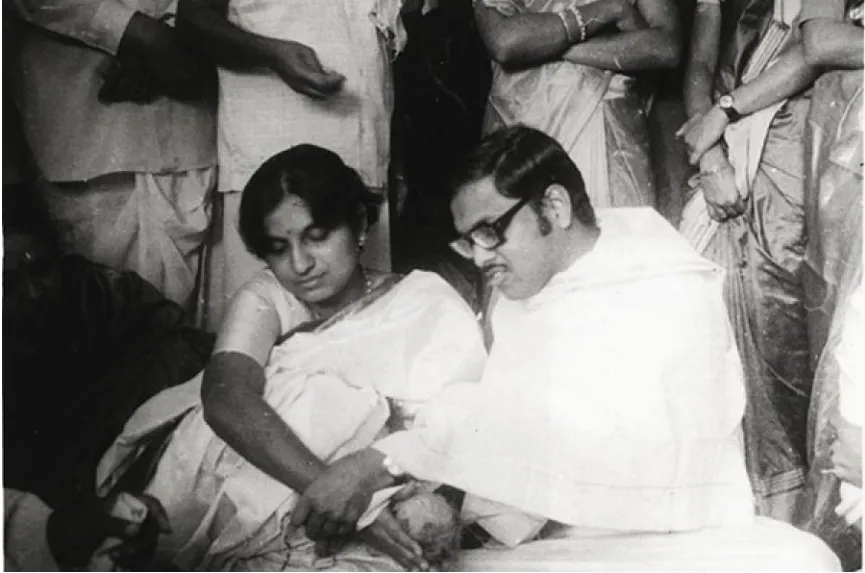
    Sudha clearly emerges as the brighter, smarter and more generous with her untold sacrifices. But Narayan Murthy’s simplicity, humanity, ethical approach and care for everyone else is his distinguishing hallmark. As Sudha said, he was the trapeze artist in the circus and she was the safety net!

    In summary, Uncommon Love is a great read. The author’s grip on the content is not consistent and the book is bereft of any pictures – the one big disappointment in such a rich historically important biography. While the childhood, career, courtship, marriage, childbirth and entrepreneurship is captured well, the rise of Infosys and Sudha’s author career is very rushed.

    The love, understanding, respect and support that Sudha and Narayan gave each other is the core message of the book. They do not need anyone else other than each other’s company. They are mirror to each other and their bond strengthened by shared values and idealistic principles.

    The book also gives a glimpse of the challenges that Narayan Murthy faced in setting up Infosys after his first failure as an entrepreneur. Indeed it is due to persistence of him and likes of Fakir Chand Kohli, that India has emerged as an IT superpower – that would change the glo

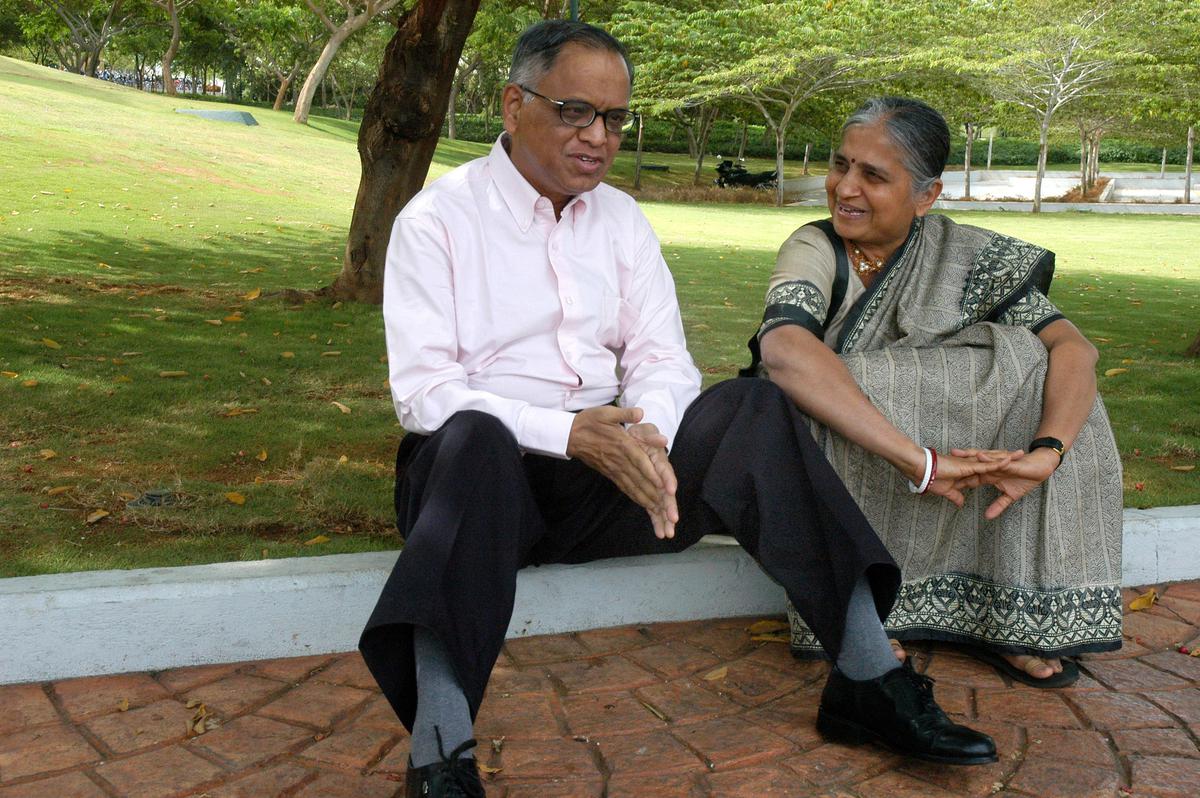
    Sudha Murty N. R. Narayana Murthy

    #uncommonlove #bookreview #infosys #narayanmurthy #sudhamurthy #entrepreneurship #biography #chitrabanerjeedivakaruni

  • Everybody Lies – Book Summary

    Everybody Lies – Book Summary

    Everybody Lies : Insightful. Shocking. Mind-blowing. Original. Smart. 

    Seth Stephens Davidowitz introduces us to the smart and astonishing insights by analysing the huge collection of big data. 

    In the process, it lists many anecdotes and examples:
    1. Why election of Donald trump should not surprise us!
    2. What is the biggest worry in a marriage – sexless marriage, loveless marriage or unhappy marriage?
    3. How many men are gay?
    4. Does advertising work?
    5. What should you talk about on a first date if you want a second?
    6. Can you beat the stock market?
    7. What is the most interesting sexual query in India? 

    Let me summarise quick points:

    1. The book’s basic premise is that everybody lies – to themselves and others. But digital trails that we leave on internet can be highly revealing.

    2. Everybody lies. How many drinks they had on the way? How often they go to gym? How many books they read? People want to look good and they under-report embarrassing behaviours and thoughts on surveys. This is called Social Desirability Bias. 

    3. People brag through social media posts,  social media likes and dating profiles. But the real truth is revealed by searches, views, clicks and swipes 

    4. Google searches are the most important dataset ever collected on the human psyche. The internet can tell us a lot about ourselves – things we may or may not know about ourselves. It also exposes the chasm between ideal self we project to the world and the true beings we are. 

    5. The new data increasingly available in our digital age will radically expand our understanding of humankind. 

    6. Trust data and build your actions around it! Analyse data and build your business around it!

    7. Netflix learned the above lesson early on in its life cycle – don’t trust what people tell you, trust what they do. So did Facebook. 

    8. People say they do not want to stalk their friends. There is little in this world they want more than to keep up with and judge their friends. Mark Zuckerberg’s  net worth is the biggest proof of this. 

    9. Similarly, everyone will claim that they have no interest in reading about bondage, dominance and sadomasochism. But people want to read about BDSM between a young college graduate and a business magnate. Proof: 50 Shades of Gray’s success – 125 million copies sold in original and the movie franchise and the revenue collection around this.

    10. Apart from business, academicians can also use big data and digital trails. Academics can use digital data to test a few hundred or a few thousand ideas in just a few seconds. No need to recruit army of researchers to perform a single test. 

    11. Researchers need to include digital data in research. Researchers on desirability and sexuality need to supplement their questionnaires to hundreds of subjects with data from sites like PornHub. 

    12. Collecting rich data on the world’s problems is the first step towards fixing them. Indeed, the algorithms know us better than we know ourselves. 

    Everybody Lies is a wonderful book indeed. A must-read for everyone to know the new emerging world. It continues the legacy of Freakonomics and Moneyball. 

    What we can learn? Study data and make decisions. The best way to work today is to have a data-driven approach. Data and insights can help you win – a difficult boss, a challenging sale and maybe love!

    Image Courtesy: Grzegorz Walczak on Unsplash

  • Book Review: 21 Lessons For The 21st Century by Yuval Harari

    Book Review: 21 Lessons For The 21st Century by Yuval Harari

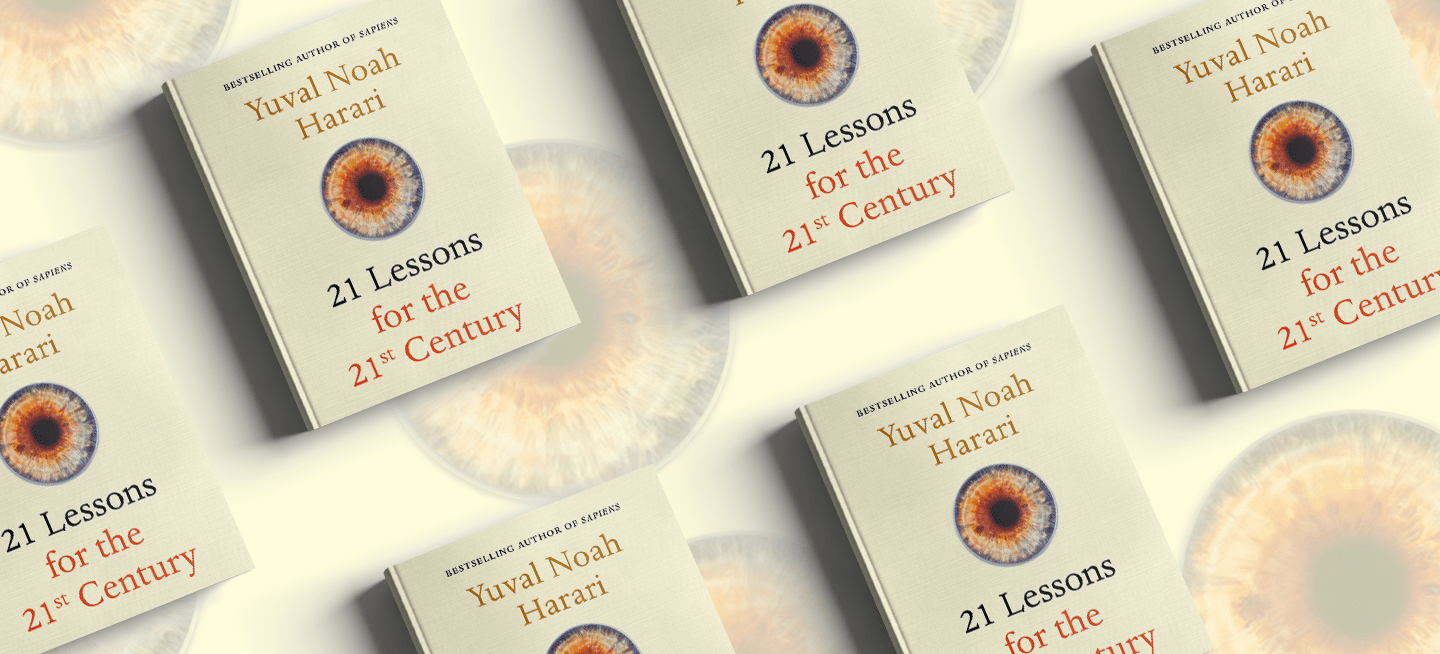
    The highly stimulating and inspiring Yuval Noah Harari is back! His latest book ‘21 Lessons for the 21st Century‘ completes his trilogy. While his previous best sellers, Sapiens and Homo Deus explored the past and the future respectively, 21 Lessons focusses on the present and contemporary topics.

    I read the book on a long SFO-Delhi flight in one reading, amidst the chaos of Brexit and US-China trade tensions. I was returning from an annual planning pilgrimage where we were trying to look at the crystal ball and make our bets. So, the topic of knowing the present and the modern challenges made a lot of sense. The book’s cover jacket and introduction indeed made the right claims:

    How can we protect ourselves from nuclear war and technological disruptions? What are today’s greatest challenges and choices? What should we pay attention to? Are we still capable of understanding the world we have created? What should we teach our children?

    The book is divided into 21 chapters over 5 different sections and cover topics Work, Terrorism, Immigration, Nationalism, War God, Fake News, Education etc. So how does the book measure up? Does it rise up to the claims?

    The vegan smartphone-less Yuval Noah indeed makes a compelling reading. His wide knowledge and deep intellect are evident in his strong claims. The contemporary examples quickly relate and establish a shared platform for arguments. It offers interesting insights and ideas to provoke further thinking and find answers. Sample this:

    1. Donald Trump warned voters that the Mexicans and Chinese will take their jobs, and that they could therefore build a wall on the Mexican border. He never warned voters that the algorithms will take their jobs, nor did he suggest building a firewall on the border with California. True indeed. It is very easy to create a narrative and channelize resources against a visible threat, but what about the larger invisible challenges. It is easy for Donald Trump to talk about Mexicans but how do we prepare to deal humanity with the challenges arising from the confluence of AI and Biotech? The same thing is happening across the world.

    2. The Russian, Chinese and Cuban revolution were made by people who were vital for the economy and lacked political power. But Trump and Brexit were supported by people who enjoyed political power and were afraid to lose the economic power.

    3. Humans vote with their feet. Which countries do people want to emigrate to? It tells the answer for the future. People want to move to USA, Germany, Canada, Australia.

    4. Why terrorism makes headlines? Because the world has become a safer place as compared to the past and any new acts of violence makes more noise. Terrorists are successful because they are like a small fly that can drive a large mad bull to smash up a china shop. That is exactly what 9/11 did. It drove US to smash up Middle East. Terrorism requires action on three fronts: state action against terrorist networks, responsible media management and individual self-restraint.

    5. Humans have two types of abilities – physical and cognitive. In the past, machines competed with humans mainly in the raw physical abilities, while humans retained an immense edge in raw physical abilities. Today, machines are taking over human beings even in the cognitive abilities. So how can humans retain an edge over machines?

    6. Artificial intelligence and biotech are the future and will change humanity. Are we ready for it?

    7. Self-driving cars are safer, but will we understand that? Shall we protect people, or shall we protect jobs? The jobs in Bangladesh and Bangalore will be lost soon. How do we train the redundant workforce? It was easier for farm labourer to become industrial worker or retail help as it required very less significant training. What happens in the future when jobs are becoming very specialised?

    8. The rich are becoming richer, but they may become superior and more talented as well in the future. There will be a rise of “useless” class of people. What are the implications for the society and humanity?

    9. The climate change will be good news for Russia.

    Does the book offer solutions? Yes and no. It offers high level solutions – universal basic income, globalisation of politics, meditation etc. However, if one is looking for practical and innovative solutions, there are very few. And it is not Yuval Noah’s fault – nobody has got the answers right to these questions. At least he has identified the right questions to find answers for and given some initial thoughts. He wants us to debate and find our own answers.

    The book is a good read and a recommended reading. But first do read Homo Deus and Sapiens as well.

    And then let us meet and brainstorm…

    Further Reading:
    Yuval Noah Harari Official Website
    Yuval Noah on YouTube

    Image Courtesy: www.ynharari.com

  • Book Review – The Difficulty Of Being Good

    Book Review – The Difficulty Of Being Good

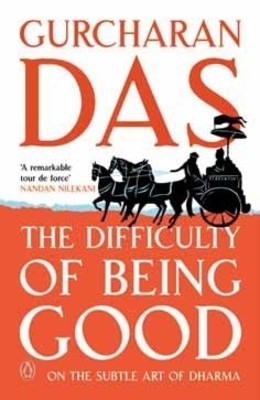
    Gurcharan Das is one of the favorite Indian writers. I loved his India Unbound and I follow his columns as well. I read his book ‘The Difficulty Of Being Good’ this week.

    ‘The Difficulty Of Being Good’ explores the subtle art of Dharma. The book revisits the story of Mahabharata and presents it from the perspective of different traits of its characters. Envy, Courage, Revenge, Dharma, Remorse etc. are explored. The author also adds recents anecdotes of Satyam, Reliance and other events to give it a contemporary linkage.

    The central theme is discussions around Dharma. Draupadi questions Yudhistir on what did he achieve after following Dharma? He got only grief and pain. She asks – Why be good? Yudhistira says – I act because I must. That is the central definition. Right Action itself is the reward.

    Mahabharat concludes that wealth and pleasure follow Dharma yet Dharma is not pursued. Dharma means praying for well-being of others. Through thoughts, actions and speech, if we can do good for others, it is Dharma.

    The common problem is that we would feel bad if we act according to Dharma and yet the other one is unjust. Or worse our opponent / rival, exploit our goodness. The response is again the same – Following Dharma itself is a reward. Of course, one should try to be smart. Mahabharata does not following Gandhian principle of offering the other cheek. (The book says that Gandhi succeeded because the opponent was Britain. British are rational and logical and workable. But it we had toxic terrorist regimes as opponents, Gandhi may not have succeeded. Who knows?)

    Dharma in everyday life is doing one’s best. Living life with compassion and equanimity is vital. One could live life like a twig of tree and respond to the currents of life water appropriately.

    The other interesting points are:
    1. Mahabharat is ‘A series of precisely stated problems imprecisely resolved’ !
    2. Time cooks us all. (Remember the opening of B R Chopra’s Mahabharat – Main Samay Hoon). Time cooks beings. Why would the war happen otherwise?
    3. Mahabharata is a story of deception. Deception happens on both side. It might have been difficult for Pandavas to emerge victorious without breaking many rules. Killing of Drona, Karna and gunning down Bhishama were not according to the war rules. Krishna would term as strategic moves.
    4. It is not easy to classify Kauravas and Pandavas as bad and good. The better word would be to state that Pandavas are the preferred side.
    5. The claim of Pandavas to throne was never a clean one due to ambiguity of lineage. Strictly speaking, King Pandu had no sons.
    6. Kauravas had deep envy of Pandvas. Author gives example of Ambani brothers. Envy kills !
    7. Disrobing of Draupadi had many questions. How could a king who has lost himself wager his wife?
    8. Action always beats inaction. Action is fruit in itself.
    9. Yudhistira cursed that women will not be able to keep the secrets – that is where it started 🙂
    He was not happy that his mother did not tell him about Karna.
    10. Yudhistira has once to choose to save only his one brother from four brothers who are dead. He choses Nakula so that each of his two mothers have only surviving son. His sense of justice is exemplary.

    I found it is as a different and interesting read. It reinforces the belief in doing our best and not worrying about results. It tells about pursuing the right path of Dharma. Krishna tells that it does not matter if you bend the rules for the righteous victory – I do not agree to this though ! The path is sometimes as important as the goal. Difficult in today’s times !

    Though I believe Bhagwad Gita is the best management book. The central theme is Action ! Read my Bhagwad Gita review.

    ‘The Difficulty Of Being Good’ is worth reading for sure !

  • Book Review – Night of January 16th

    Book Review – Night of January 16th

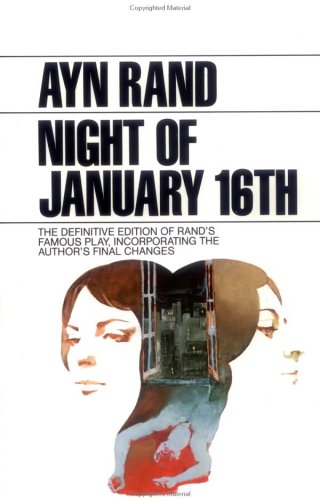
    Night of January 16th is a murder mystery where audience plays the Jury.

    Night of January 16th is actually a play and is inspired by the death of the “Match King”, Ivar Kreuger. It takes place entirely in a court room and is centered on a murder trial. The most interesting part is that the play was designed to let audience decide the outcome of the trial. Thus the ending of the play is not certain. It depends on the audience (reader) and their perceptions and thinking and their ideals.

    The members of the audience are picked to take on the role of jury members in each act. The play does not directly portray the events; instead the “jury” must rely on character testimony and vote on whether the “defendant” is guilty or not guilty. The play has different endings depending on the verdict. Ayn Rand’s own verdict was “not guilty”.

    Another Amazing Work by Ayn Rand !

  • Good Book : Absolute Khushwant

    Good Book : Absolute Khushwant

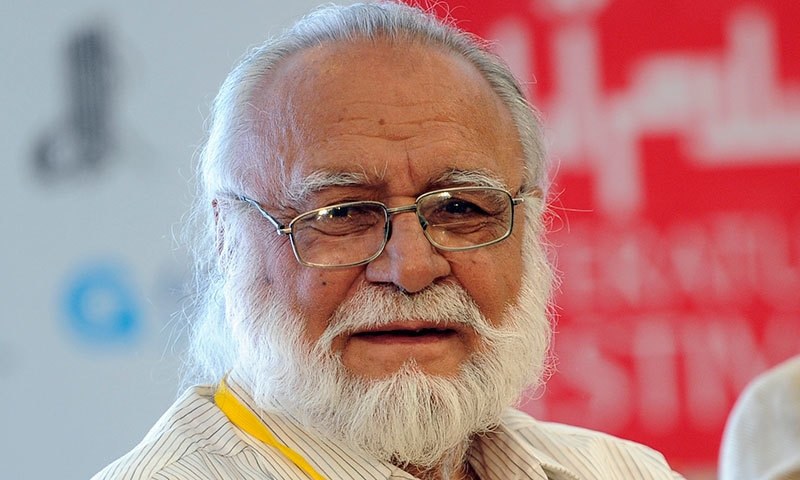
    I recently read Absolute Khushwant: The Low-Down on Life, Death and Most Things In-Between by Khushwant Singh & Humra Quraishi. It is another refreshing, honest and delightful Book by Khushwant Singh. His simple, no-nonsense, friendly and conversational style is always a pleasure to read. His unique perspective on important events of the country and important personalities is insightful. He speaks about why he supported the Emergency, his fondness for Sanjay Gandhi and Rahul Gandhi and his dislike for Advani. He tells why he returned his medal to the Government.

    The candidness, transparency and courage to write all the personal stories is something that indeed separates him for the others. He speaks about love, life, death, sex etc. Khushwant is an author I like reading again and again !

    But, Train To Pakistan still remains his favorite work for me.

    Read Extract From The Book In Outlook

    Credit: http://i.dawn.com/large/2015/05/5565d86875147.jpg

  • Book Review : Roots And Wings


    Every parent wants to give nothing but the best to child. 

    I became a father recently. I had my own questions. Will I be a good parent? How do I help my child to become a good human being? How do I help him to protect his individuality ? How do I prevent myself from imposing my values and principles on him? How do I safeguard him from evils of the society? 

    I understand parenting is a big responsibility. But it is a joyous activity as well. I was doing it in my own way. But a few questions remained. 

    One fine day, I happened to notice this amazing book in Crossword. It was titled Roots and Wings – A Handbook for Parents by Raksha Bharadia. Normally, I avoid books with phrases as – handbook, 8 laws of success, How to win deals etc. 

    However, I happened to read the  preface and contents. I somehow liked the book and I bought it. The note on book said: 

    Roots And Wings – A Handbook for Parents addresses parenting conflicts and dilemmas how to manage the thin line between freedom and structure, space and control, being a mentor and a friend, our expectations of the child versus his native endowments. This book is about giving our children roots, so that they can stand firm and wings, so that they may soar and achieve their potential.


    As I started reading it, it was clear that I had made a good investment. This was going to be my ‘must-have’, ‘must gift’ and ‘keep revisiting’ books. 

    I liked a lot of concepts and appreciate Raksha’s thinking. Her writing on fostering creativity, free time, importance of childhood buddies, role of nature and sports, dealing with child’s self-esteem – anger – failure were insightful. I liked the idea of giving the child a free time and not overloading his schedule like Dad’s planner. Allowing a child to explore his world is equally important. 

    The tile is very apt. The books speaks about giving the roots to child to stand firm in life. And giving wings to allow the child to soar high in life and achieve the potential. 

    Raksha has done an amazing job. She has helped me to find some answers. The book simply connected !

    The book is not preachy. It has practical tips and ideas how to create a right environment and help child to develop positive self-esteem. It also has rich experiences and quotes from people from all walks of life including Javed Akhtar, Sachin Tendulkar, Kumar Managalam Birla. 

    Roots and Wings – Highly recommended – For parents, new and learning ones !

    Further Reading on Roots And Wings:

    Vedic Mathematics Forum India Blog : Roots And Wings

    Life Positive Review

    Excerpts of Roots And Wings at LiveMint

  • Book Review : The Go – Giver

    Recently, I read ‘The Go – Giver‘ by Bob Burg and John David Mann. As suggested by the cover, it is a little story about a powerful business idea. And what is that powerful business idea?

    Giving !

    Yes. Giving. Give more to receive more. Add more value to get more money. Add value faster to get value faster.

    The authors present this central concept through protagonist Joe’s story. The parable is simple and the characters and story is predictable. However, it lives a good impression and sets you thinking. Hmm. This is special!

    The book is a good collection of the classical ideas. These principles are presented in form of The Five Laws of Stratospheric Success.

    1. The Law of Value:
    Your true worth is determined by how much more you give in value than you take in payment.

    2. The Law of Compensation:
    Your income is determined by how many people you serve and how well you serve them.

    3. The Law of Influence
    Your influence is determined by how abundantly you place other people’s interests first.

    4. The Law of Authenticity
    The most valuable gift you have to offer is yourself.

    5. The Law of Receptivity
    The key to effective giving is to stay open to receiving.

    The book also covers The Law of Attraction (The Secret is the best adaption) and the ‘Survive-Save-Serve’ Concept.

    I agree to the ‘The Go-Giver’ snapshot of the book
    Imparted with wit and grace, The Go-Giver is a heartwarming and inspiring tale that brings new relevance to the old proverb “give and you shall receive.”

    If you want to read a short, quick and easy going inspirational book in simple English, try ‘The Go – Giver’.

    Related Reads:

    1. Justin McHenry’s Review on Zen Personal Finance

    2. Squidoo Business on The Go-Giver

    3. Simon Barret’s Review