Tag: FinTech

  • The Future Of Money – Digital Rupee

    The Future Of Money – Digital Rupee

    Experience The Future Of Money With Digital Rupee – India’s First Digital Currency!

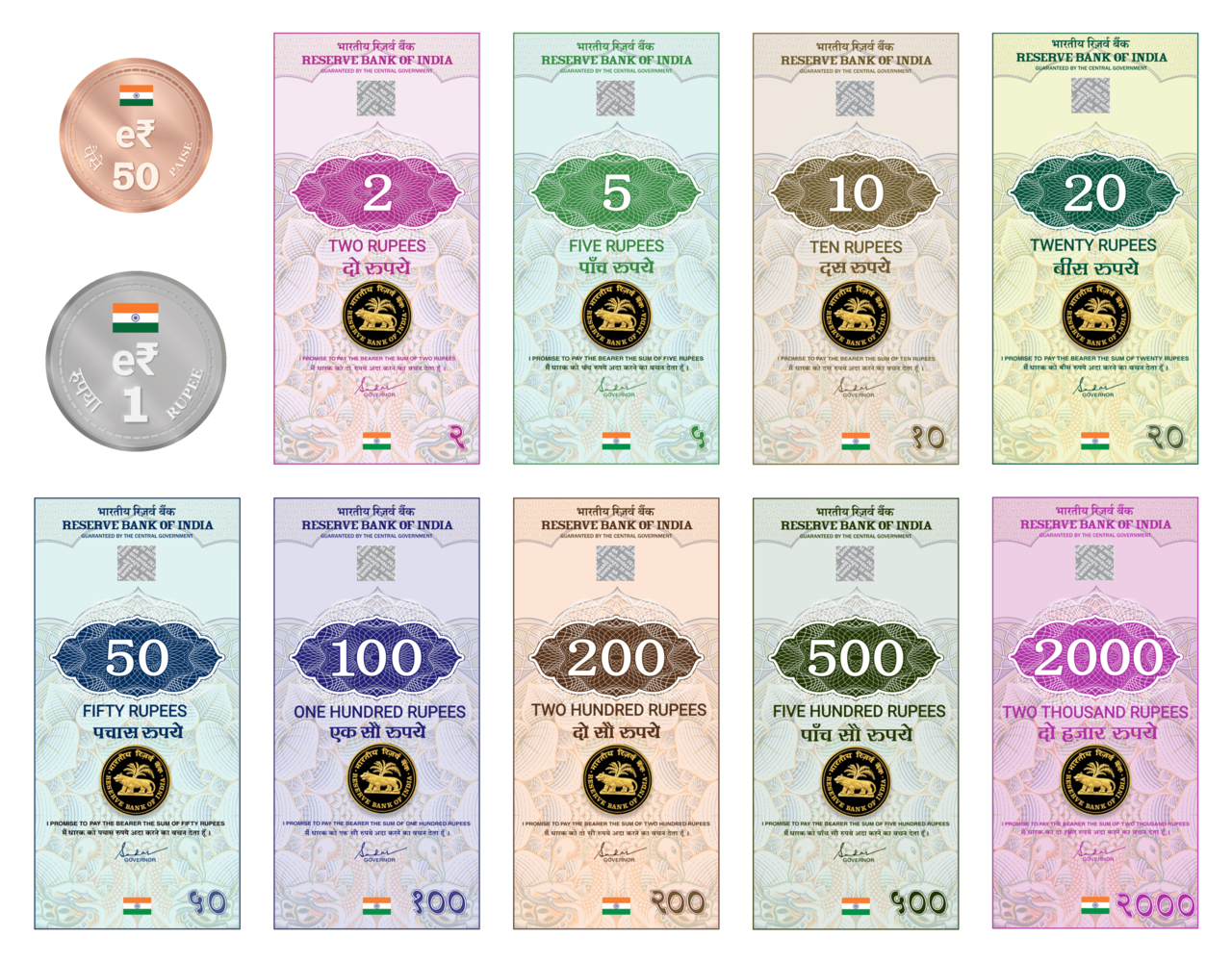
    Digital Rupee app is a e₹ wallet application that enables users to conduct transactions using Digital Rupee tokens. It can be used to pay for goods & services and send money to anyone in form of digital currency.

    Digital Rupee is the legal tender issued by RBI in a digital form – It is equivalent to our sovereign paper currency. It is a legal tender and an accepted medium of payment in India – since backed by Government and RBI.

    Based on Blockchain Technology, it is secure, fast and real-time. Since it is a digital currency, it’s always on – instant and convenient way of making and receiving payment. Heartening to note that India continues to spearhead the payments revolution – as we march towards a digital and cashless society!

    All leading banks including ICICI, Kotak have their Digital Currency Apps! Try Digital Rupee App today – Celebrate the festival of wealth Dhanteras and festival of lights Diwali in an unique way!

  • Skandal! Bringing Down Wirecard – A Gripping Crime Docu-Thriller!

    Skandal! Bringing Down Wirecard – A Gripping Crime Docu-Thriller!

    • German FinTech’s Unicorn
    • Silicon Valley Innovation From The Land Of Automobiles
    • Black Turtleneck Wearing Witty CEO
    • Death Threats, Thugs & Spies
    • Funding Of Militia & Influencing European Elections
    • Suave COO Features In Europol’s Most Wanted Fugitives
    • Yet Another Financial Fraud

    All of the above and much more!

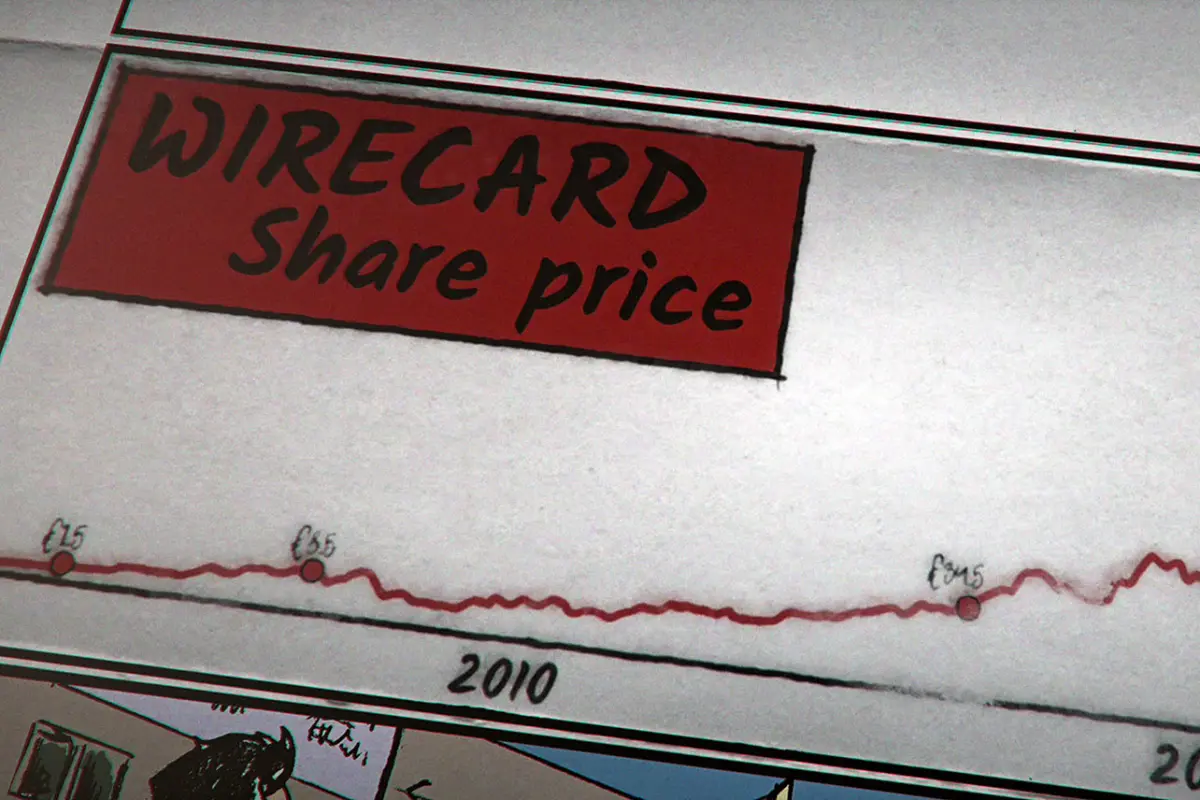
    Skandal! Bringing Down Wirecard, is a Netflix Documentary that unfolds one of the biggest corporate corruption and financial fraud case of the recent times! Wirecard went bust after its dubious malpractices were discovered and a staggering $1.9 billion was found missing from its books. Skandal! is based on Financial Times’ Dan McCrum’s book ‘Money Men: A Hot Startup, A Billion Dollar Fraud, A Fight for the Truth’. Dan was the person who unravelled the Wirecard fraud. 

    Skandal! explains the entire Wirecard drama and its intricacies in a lucid and engaging manner – through a mixture of graphical story telling, rich interviews and brilliant insights. The journalists where followed and spied by Wirecard’s investigators. They were suspended due to smart counter-allegations by Wirecard and a short trader was threatened by thugs. Lots of interesting histrionics! 

    How did Wirecard execute the scam? Who were responsible? While Skandal! answers such questions about the Wirecard saga, its raises important queries as well: 

    • How did the Wirecard fraud go unnoticed for so long?
    • What loopholes were exploited? Are they fixed?
    • Did German politicians and media turn a Nelson’s Eye to Wirecard?

    Lots of truth is still not unknown. The former Wirecard COO Jan Marsalek disappeared shortly and is currently wanted by the German police. He is listed on Europol’s list of Europe’s most wanted fugitives. CEO Braun resigned and was arrested on suspicion of false accounting and market manipulation. 

    Watch it!

    A few thoughts do emerge….

    As always, it was the Wirecard employees, customers and common investors who had to pay the price!

    Wirecard had some of the best and extremely talented technologists and business experts, who brought great ideas to life. Many innovative ideas came to an abrupt end and many employees suffered for no fault of theirs. 

    Wirecard was a darling of investors. The whole financial world watched how Wirecard surpassed CommerzBank and Deutsche Bank, the traditional Financial heavyweights. There was a move to buy Deutsche Bank as well. All investments turned sour!

    And biggest casualty was the image of Germany and Germans – extremely hard working, honest, focussed, passionate and determined champions! 

    #netflix #wirecard #financialtimes #scam #fintech

  • The Future Of Fintech

    The Future Of Fintech

    Technological changes and overall trends are often difficult to predict. What seems as the obvious future often fails to deliver, and new innovations take over! Look around and many of the technological tools that we take for granted, were never predicted…The Fintech world continues to present new ideas, solutions and business models.

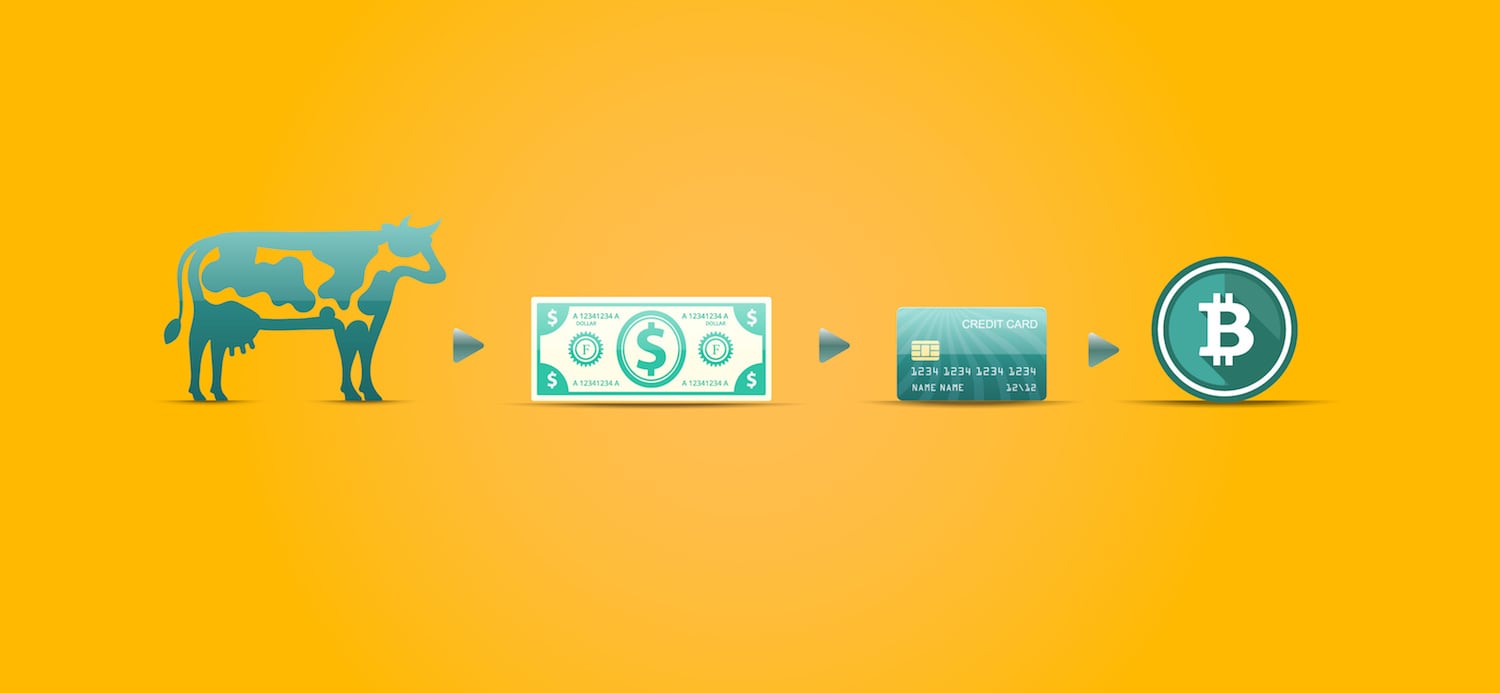
    The future of Fintech, money and payments is linked to the evolution of the society. In next 10-20 years, we may see the emergence of robots, machine to machine interaction, smart cities, universal basic economy, ageing population, climate change and prosperous mankind.

    In that age, payments between machines will be automatic and invisible. Cashless economy will be a reality with secure, invisible, hyper-connected, data-driven money and payment system becoming a backbone like internet and electricity.

    Payments will be integrated as a part of buying experience. Pricing and offers will be specific to you as per your financial score. Secure micro-payments will be order of the day. Micro-payments will also mean more access to everyone.

    Technological innovations in payment will allow the remaining less-privileged to get access to basic income and help from across the world. The credit scoring, mortgage options etc. all will be seamless and real-time.

    Property will be tokenized. Agricultural land will be tokenized. Equity tokenization will unlock liquidity. Blockchain will be leveraged for tokenization in the future and new business models will emerge. Privacy, legal and security frameworks will ensure the required safeguards.

    Quick and easy barter mechanisms will become an alternative to the money economy.

    The cumulative effect will be help unbanked and underbanked individuals and SMEs to get benefits of the financial system and accelerate job creation, equitable and balanced economic growth.

    Image Credit: Joshua Reddekopp on Unsplash

  • Blockchain – The Trusted Ledger Of Everything

    Blockchain – The Trusted Ledger Of Everything

    Digital is redefining everyday lives. Our life experiences are shaped by digital forces. The artificial intelligence and internet of everything are on the cusp of becoming a daily reality. However, the financial and economic transactions in our digital lives are still ruled by old paradigms. The need for a third-party intermediary to verify our identity and intent still exists. It creates a slow, old, vulnerable and expensive system which has been the basis of our financial world. Blockchain aims to redefine this antiquated system.

    Blockchain is the breakthrough technology that is revolutionizing the world economy. It is essentially an open-source distributed database. The digital database uses state-of-the-art cryptography and mass collaboration to authenticate and settle transactions. The ever-expanding chain of computers form the network and everyone on the networks approves an exchange before it is verified and recorded. It is truly open source, peer-to-peer and highly secure – thus becoming the platform of trust.

    Bitcoin was the first use case of Blockchain. The power and potential of Blockchain lies in its ability to represent anything digital – rights, goods and property. The emerging use cases of Blockchain include:

    1. Property Rights / Land Records – Governments can avoid fraudulent deeds, manipulation of records and conflict of ownership by leveraging Blockchain

    2. Electronic Medical Records – Healthcare industry has multiple stakeholders accessing patient information. Hospitals, doctors, insurance companies, governments etc. can be confident that they are working on secure, encrypted and genuine records using Blockchain

    3. Certificate of Authentication – Fraudulent transactions will be avoided as every transaction is recorded and distributed on public ledger.

    4. Certification of Compliances – Everledger has authenticated more than 1000,000 diamonds using Blockchain. It has developed a system of warranties that enable mining companies to verify that their rough-cut diamonds are not being used by militias to fund conflicts. Thus, it ensures compliance with Kimberley Process. Bye Bye Blood Diamonds.

    5. Share Ownership Registry – US Securities and Exchange Commission (SEC) has approved the use of the Blockchain as a share ownership register for online retailer Overstock.com.

    6. Micropayments: People wanting to read just one article or subscribe to 2 channels on Cable TV can use the Blockchain Infrastructure. ChangeCoin allows instant transfer of value irrespective of size. Similarly, Chain allows to give tip to a blogger or car share driver – very useful in a sharing economy.

    7. Data Privacy – Estonia, the leading European country in digital services uses a Blockchain implementation to manage and protect its citizens’ data across about 1,000 online services.

    8. Patents & Innovation – Authentication and verification

    9. ESOPs for Employees

    10. Wills

    11. Tax Collection

    12. Remittance of Funds to Unbanked

    It is not surprising that all the leading companies in the world are working on Blockchain in some form or the other. Microsoft has built multiple offerings on Blockchain by leveraging its Azure platform. IBM, PWC, UBS, Bank of Canada are other organizations working on Blockchain. Who’s Who have joined Hyperledger – including Amex, Wells Fargo, J P Morgan, Intel, IBM, BNP Paribas, Samsung, Intuit etc. R3 is leading a consortium of 75 world’s leading financial institutions including Wells Fargo, Barclays, UBS to design and deliver advanced distributed ledger technologies. Billions of dollars are being invested in Silicon Valley startups working on Blockchain.

    Several institutions including financial organizations will be severely impacted by Blockchain as it bypasses the traditional channels. Governments, legal agencies, enforcement organizations will need to understand and embrace this technology. Often the ignorance of the potential of Blockchain and understanding of its working causes skepticism about the technology. Blockchain enthusiasts need to educate, inform and demonstrate the benefits in action.

    The rise of Blockchain is imminent. The speed of the rise will be determined by social, legal, political and human acceptance.

    Image Credit: Blockchaintechnologies.com
  • The Emerging Ideas In FinTech Space….

    The Emerging Ideas In FinTech Space….

    The Payment & FinTech Space continues to evolve with lot of new possibilities. The cash payments continue to fall and rise of digital payments continue in UK and developed world. The digital payment offers completely new possibilities and scenarios for the digital natives. Let us look at interesting new ideas and use cases in payments: 

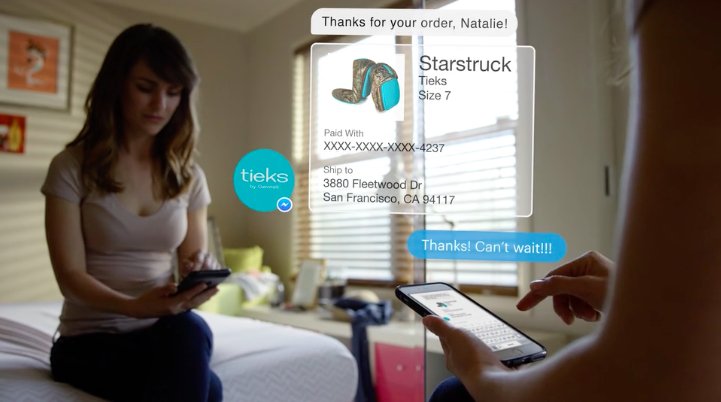
    Facebook Messenger Bots can now accept payments from customer without leaving the messenger app. This allows Messenger to become a complete commerce platform in itself. With a user base of more than 1 billion people, it can become a significant player. Pizza giant Dominos allows you to order Pizza via FB Bot in US. Indian Mobile Payment Startup Niki helps people in India hail a cab, order food, and pay for laundry or the electricity bill, among other things via Nikibot. 

    macgpic-1444047508-97975536257662-accroche
    Voice based Payments are here. Speak “Pay $20 To Amy” to Amazon Echo and the payment will be made using Alexa and other technologies. German Digital challenger bank N26 allows its customers to transfer money using Siri. “Siri, Send 21 Euros to Anastasia with N26”. A box within Siri will then appear checking the recipient, the amount and asks for confirmation. N26 also allows payments via iMessage. 

    Future Is Shining…The next big things in the payment space are the use of APIs, Virtual Reality and Biometrics. Connected Cars and Smart Equipments will make the payments. The refrigerator will buy and pay for the milk. The jury is still out on BitCoin….

    Interesting Ideas Are Emerging…DigiSeq has integrated payment, access control and loyalty into one smart wearable device. Universal Basket is a smart idea. It recognises any product on any website and allows shoppers to buy with one ID and shopping profile via a UB-powered website or application. Swedish Payment giant Klarna has got is first big customer in UK – Arcadia Group. Klarna allows customers to try the product and pay later.If customers like the product, they can delay payment for up to three months interest free or start paying off with interest after three months are up. If they don’t like the product, they can send the item back. 

    Image Credit: Tech Insider.IO & Philips

  • HCE – Why Does This Disruptive NextGen Technology Matter?

    HCE – Why Does This Disruptive NextGen Technology Matter?

    Host Card Emulation (HCE) is topic of season in the contactless world. It is an disruptive technology which promises to open up new business cases and challenge the incumbent Secure Element (SE) technology. It is redefining mobile payment, access control and identification use-cases.

    Host Card Emulation is an enabler technology, which allows NFC enabled mobile device to emulate any contactless smart card and store the secure data remotely on the cloud. Traditionally the user data was only stored inside a mobile device, popularly known as Secure Element Platforms.

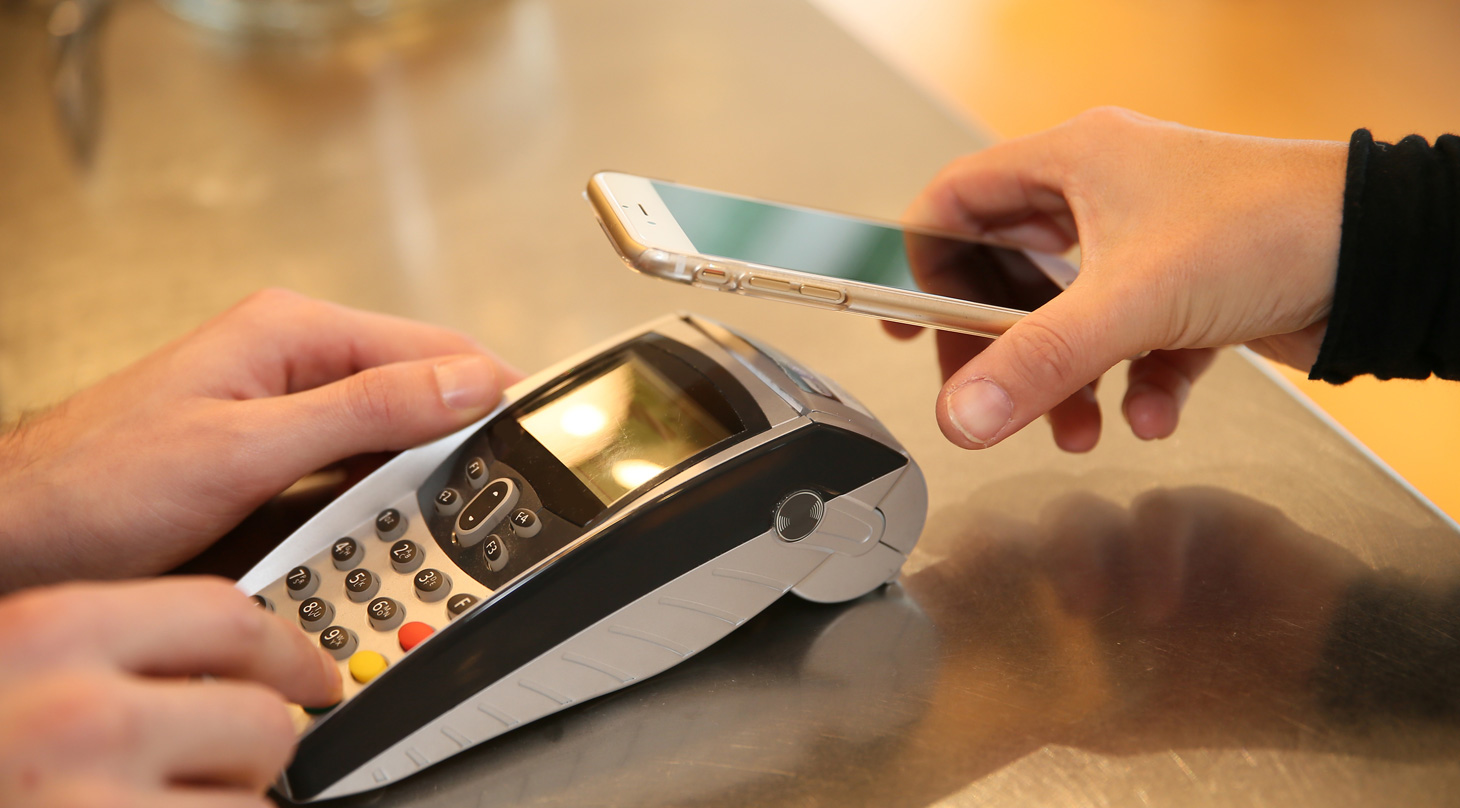
    HCE allows users to just tap their mobile devices on the terminals to initiate transactions with an app of their choice. HCE will allow Telcos and Banks to quickly launch contactless mobile services.

    HCE is a game-changer due to the following reasons:

    Quick Launch To Market: HCE is a software based solution and hence quicker to launch and market. The hardware based solution – Secure Element – is a time consuming process as the roll-out is dependent on ensuring SE on Mobile SIM card or embedded Secure Element.

    Cost-Effective: HCE wallets are like any other apps. So there is no cost of special devices with secure element or additional memory cards or fobs. It is cheaper for banks and other service providers to launch these wallets.

    Versatile: HCE Apps can be versatile. It can be used for various services including Payments, tokens/loyalty programs, access control, transit ticketing, and other value added services alike.

    Secure: Tokenisation and key rotation ensure the HCE solutions are secure. More work is being done to ensure higher security levels. HCE is a new technology and it will get better with each season.

    Industry-Support: Visa and MasterCard support HCE. It is a big endorsement. The HCE support comes pre-packaged in Android Kitkat OS. Blackberry was the first OS to support HCE. HCE works with NFC enabled devices.

    The HCE ecosystem ensures easy implementation, quick scalability and fast roll-outs. Indeed the steps in the right direction for the mobile payment industry. The best part is the opening up of new use-cases and business scenarios that are so vital for the cloud-driven mobile-first digital lives.