Tag: Innovation

  • Running a Tesla on kerosene?

    Running a Tesla on kerosene?

    Running a Tesla on kerosene? 🚗⛽
    Streaming Netflix on dial-up? 📺🐌

    So why are you still running your business without leveraging the full power of AI?

    AI isn’t just another social media app or search engine.
    AI isn’t an experiment. It’s not a side project.
    It’s the new engine of growth, disruption, and survival.

    Here’s the hard truth:

    👉 If you’re not building an AI-first business, you’re building a museum
    👉 If you’re not redefining your industry, someone else is writing your obituary

    Digital transformed business.
    Cloud rewired it.
    AI will reinvent it.

    Every business is now an AI business.
    Every leader is now an AI leader.

    The only question is:

    🚀 Will you use AI to redefine your future—or wait until the future redefines you?

    And yes big shout to Tesla and Netflix – They aren’t just brands, they’re disruptors who redefined entire industries

    Image Credit: AI 🙂 

  • Artificial Intelligence Lipstick

    Artificial Intelligence Lipstick

    AI Lipstick

    Are You Leveraging Artificial Intelligence & GenAI To Redefine Your Business And Accelerate The Achievement Of Vision? 

    Are You Taking Bold Bets For Customer Experience, Employee Engagement & Operational Efficiency?

    Are You Redefining & Transforming Your Business?

    Or Are You Using AI & GenAI As A Lipstick – Superficial & Cosmetic Change To Just Remain In Conversation?

    Reflect, Redefine & Roar With The Power Of AI

    Image: Ashley Piszek

  • AI & The Future Of Humanity

    AI & The Future Of Humanity

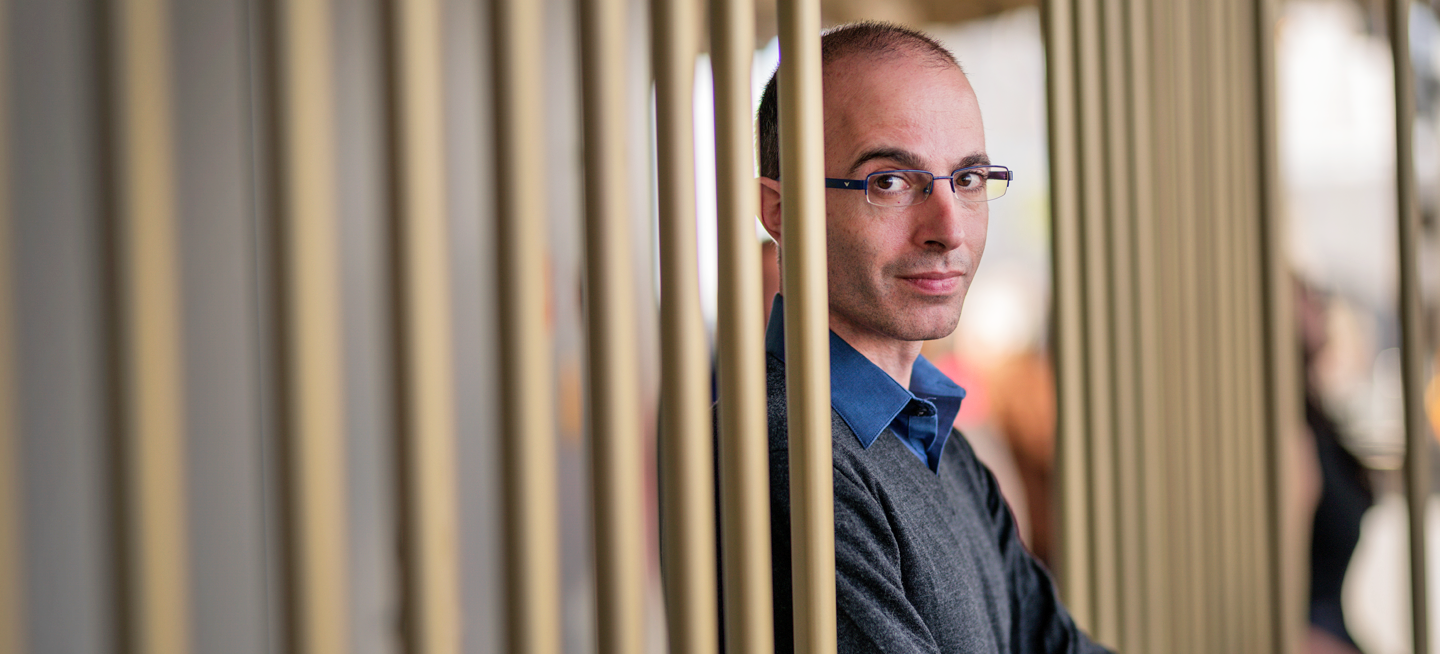
    Thought Provoking! Trust Yuvah Noah Harari To Provide New Perspectives On Of The Hottest Topics Of Recent Times! The Recent OpenAI Saga Just Amplifies The Stakes Here!

    Highly Recommended Video – Watch It – The Artificial Intelligence & The Future Of Humanity!

    What Are Thoughts?

  • Celebrating Learning & Innovation – The Museum Of Failure

    Celebrating Learning & Innovation – The Museum Of Failure

    The winner takes it all! Winning at any cost seems to be the modern mantra – whether in business, politics or any other aspect of life.

    But what about failures? Failure is a learning process. Failure is an important part in our journey of evolution. Unless we fail, we do not learn the important lessons that are necessary for our growth – personal as well as professional.

    Once a famous Indian King had to make a choice between two able generals for an important war. One was a general who had never lost an war. He was the lucky general. The other one had won more wars but lost a few as well. The upcoming war was an important one and king chose the one with a mixed record. The second general would not take success for granted. He would be less arrogant and take the right steps for winning the war. And who knows the first one could run out of his luck – law of averages would catch-up! Wise choice.

    Today, the excessive focus on success has made failure a completely negative concept. Failure is not welcome. But failure is nothing to be shameful about. Every race has always one winner – so we should not consider the rest as failures.

    Failure is an equally important factor in the innovation journey. Hundreds of innovations became successful, but thousands and thousands failed before the successful ones!

    I recently came across an interesting Museum – the Museum of Failure. Hidden in a small town of Helsingborg in Sweden, it is a collection of all interesting innovation failures. It has a collection of failed products and services from the world – to drive home a single point – that business of innovation is risky proposition, but it is a learning process.

    Some of the famous items on display include:

    – Apple Newton

    – Harley Davidson Perfume

    – Google Glass

    – Nokia N-Gage

    – Kodak Digital Camera

    – Sony Betamax

    – Lego Fiber Optics

    – Ford Edsel

    – Donald Trump Board Game

    – Colgate Beef Lasagna

    – Coke Coffee Cola


    The important thing is to not get disappointed after failure or lose enthusiasm. We should avoid self-doubts as well. Failure tells us to start once again but with more intelligence and information. Hence failure is never final. It is a stepping stone towards success!

    Official Site of Museum of Failure


    Check A Quick YouTube Video:


  • How To Get Your Dream Job? Nina Mufleh Inspires!

    How To Get Your Dream Job? Nina Mufleh Inspires!

    All of us have a dream job !

    All of us have a dream customer !

    All of us have a dream date !

    All of us have a dream project !

    But as the nature of things go, not all dream assignments land up in our lap. Some times we are lucky, but some times we have to work of it. How many times we really work for it? How many times we just give up?

    How many times we can persevere? How many times can we think innovatively?

    Here is a great example. I saw this post on NextShark and could not resist writing a post on it.

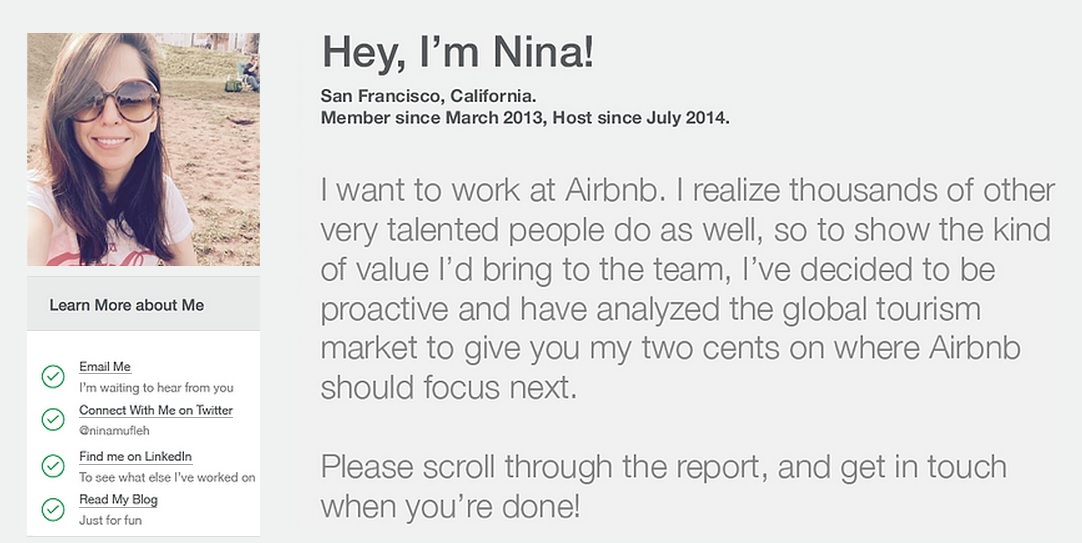
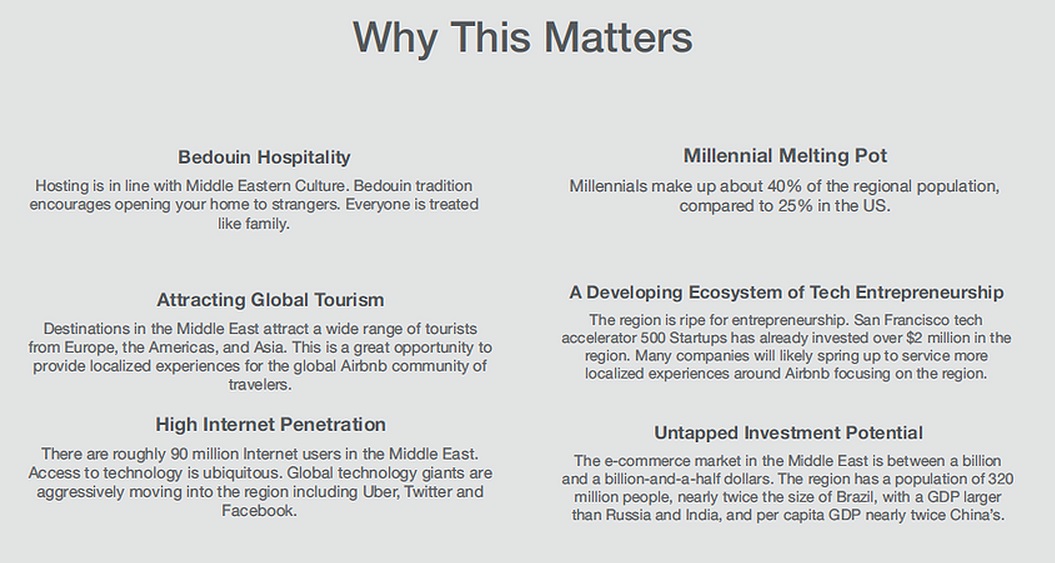
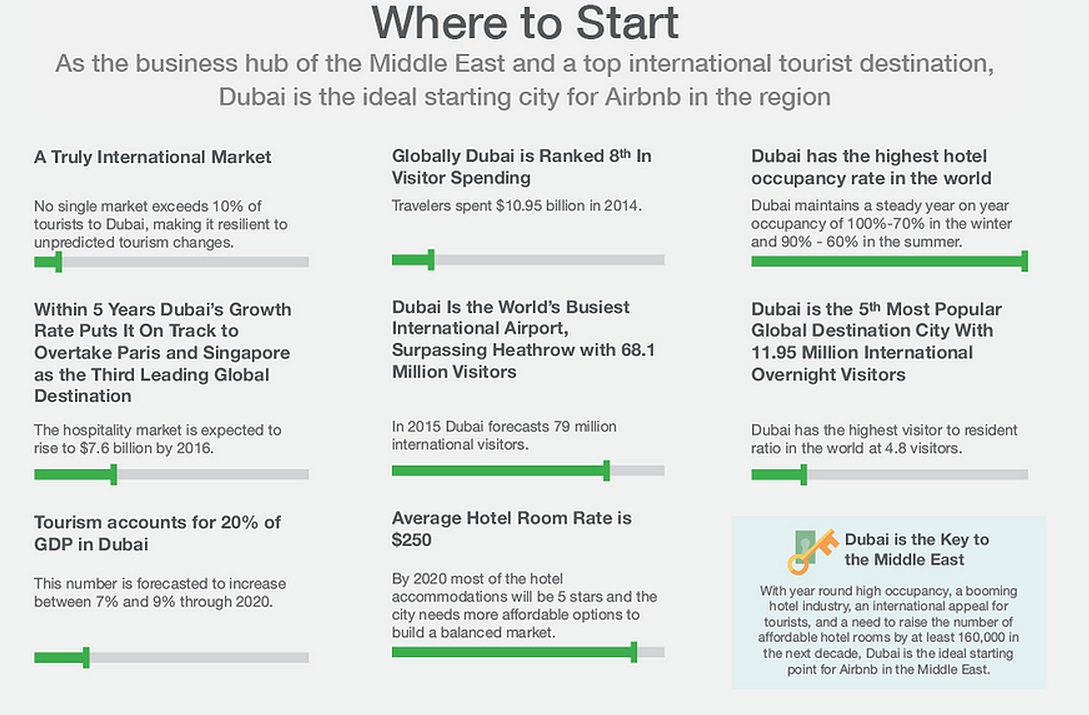
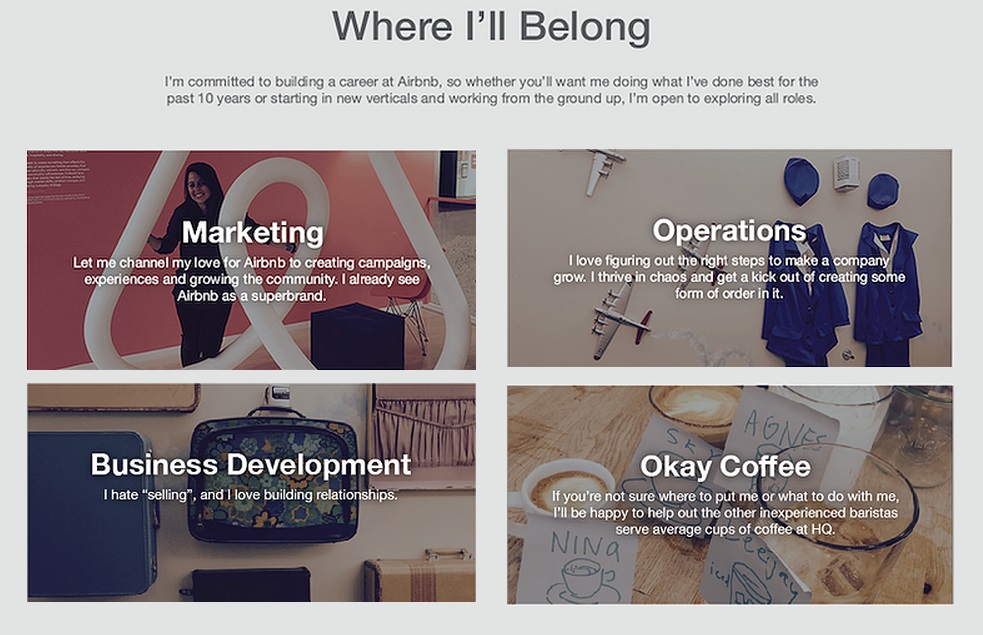
    Nina Mufleh wanted to work for Airbnb. She moved to San Francisco and applied for a job multiple times. She was not successful. 

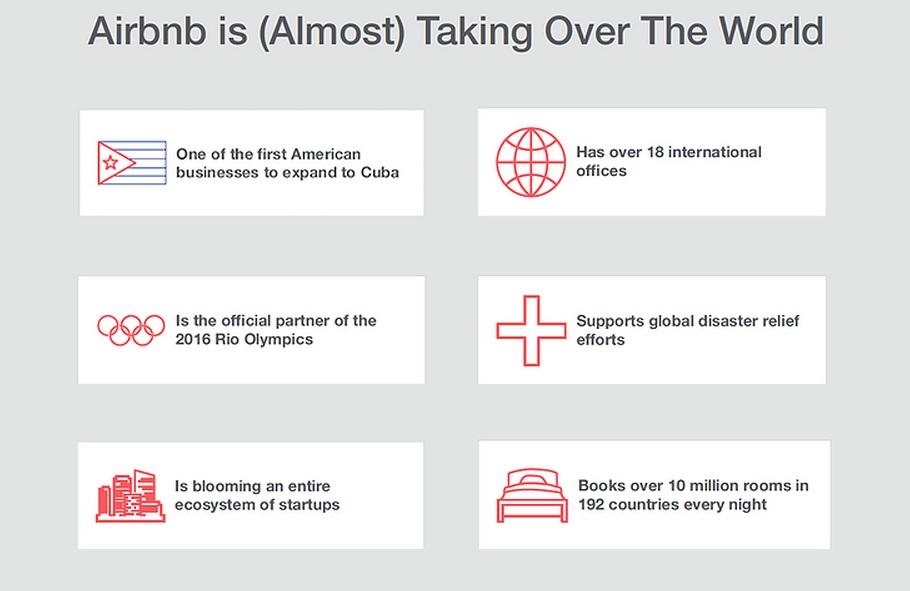
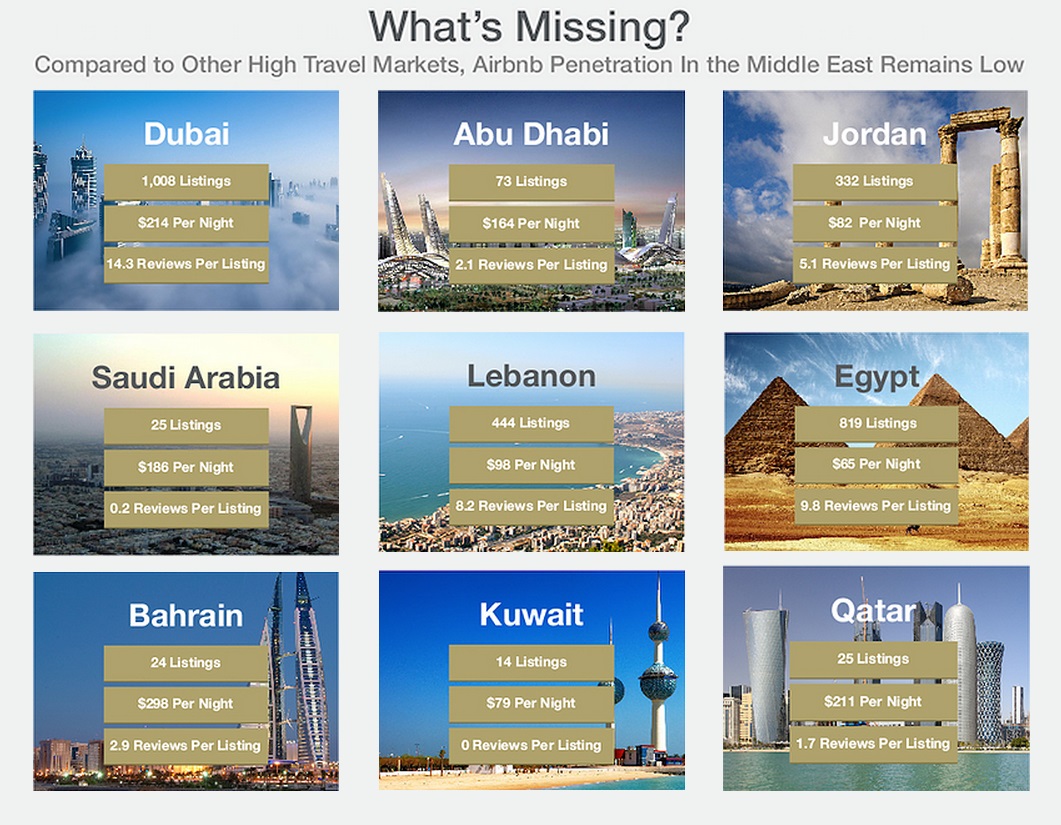
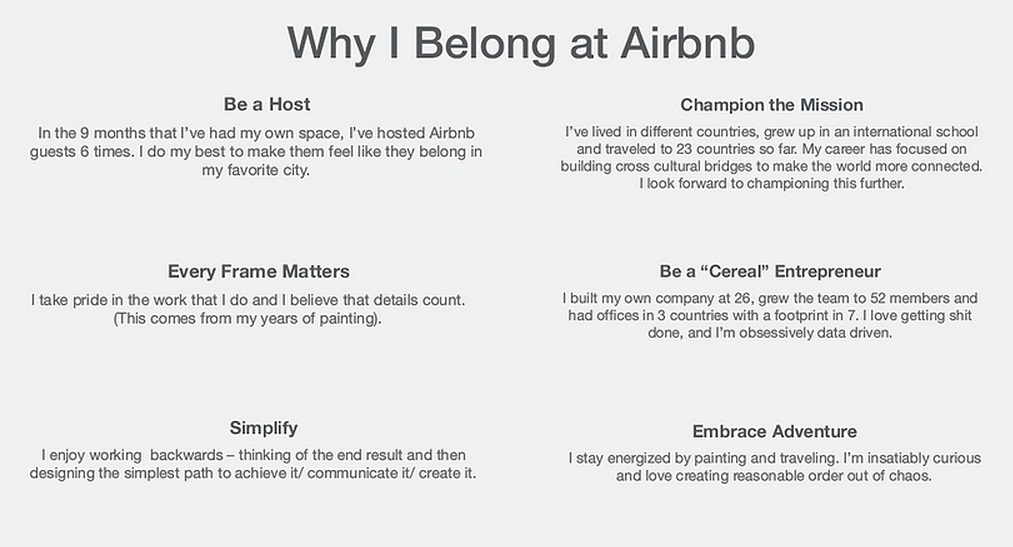
    She worked on an innovative way to get the attention and get her dream job. She created a website called Nina4Airbnb. She posted this on social media and got the attention of Airbnb. Of course, she also got a job.

    Nina inspires us in many ways:

    1. Perseverance – Never take NO for an answer

    2. Innovation – Think Innovatively and get attention

    3. Ideas To Action – Instead of giving up, she found a new way. She put lot of hard and efforts to push her innovative resume / website.

    4. Value – The value proposition was clear. Read each and every word. Including conclusion and humor. She also gave possible ideas. Seeing the website was the proof of all the values she brought to the table. It also showed her creativity, zeal, energy.

    5. Top-Down Approach – She pitched the idea to the top – Airbnb CEO.

    6. Leverage Social Media – She used Social Media to get her message delivered.  Thus she got support of millions of Airbnb fans as well. It would be really difficult for Airbnb to ignore her.

    Nina’s ideas can be used by every sales person trying to get that important meeting with the dream prospect.

    Image Credits: NextShark / Nin4airbnb.

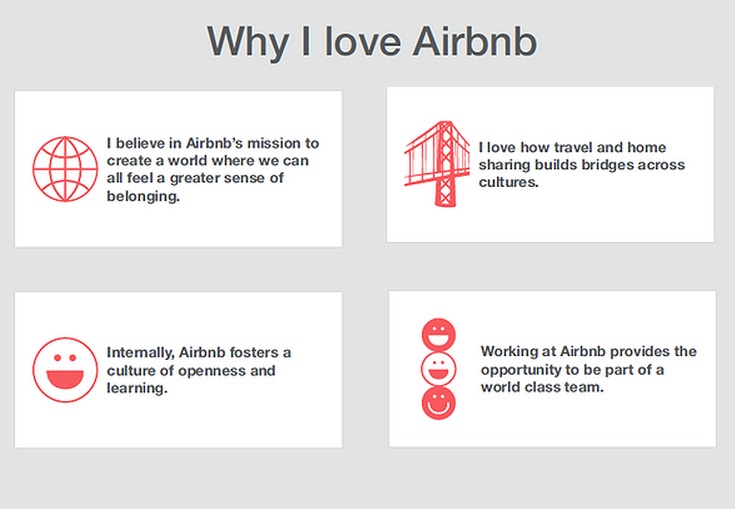
     Nina1 Nina2 Nina3 Nina4 Nina5 Nina6 Nina7 Nina8

    Credit: http://vancouvercitycentreesc.ca/wp-content/uploads/2017/01/dream-job.jpg

  • The Top 3 Out Of Office Replies

    The Top 3 Out Of Office Replies

    Its Holiday Season for a many colleagues and friends in Europe as well as US. Hence your passionately created email or thoughtful pitch can hit the robot in charge of the email and activate an automated “Out Of Office” (OoO) reply. Most of us delete the OoO replies without bothering too much about it. Similarly many of us just create a standard OoO that comes in MS Exchange or copy from somebody else’s OoO. I am told that many companies always have a template and a thick guideline book for creating OoO (Hope nobody is reading at my office!) But there are creative souls who break the monotony and compose a thoughtful OoO. It speaks volumes about themselves – their approach to life and work, not following the beaten paths, adding humor and intellect to the most mundane task, expressing creativity and finally courage!

    I invite you share your best received OoO or composed OoO. And I encourage you to create a creative OoO. Please find the Top few OoO received recently – mentioned here randomly and in no order. .

    1. Janne’s OoO Reply

    “ Greetings, human of Planet Earth.

    Janne has requested me to regrettably inform you that he is currently on holiday. You know, the thing that humans do, where they plant their feet in sand and soak in the sun like, well, other vegetation, all the while we robots work on their menial and boring tasks, like responding to email. It’s not that Janne doesn’t appreciate your email, oh no! It’s just that at this moment he appreciates the freedom to not read your email a bit more. So he left me, his faithful robot, in charge. And here I am, responding to every email that comes in. Well, not all of them, of course. You would get really bored if I responded to every single one, ‘cos let’s face it, I’m not a very creative robot. I’ll just send you a periodical reminder that Janne is on vacation, maybe every few days, just often enough to make you feel a bit jealous that he is away and you’re not, but not often enough for you to get all worked up about it. That’s the kind of tiny little faithful robot that I am, yessirree. Always thinking about only the best for my human masters. And, sometimes, just a teeny-weeny bit about world domination.

    Enough digression!

    Now, Janne will be reading his emails (assuming the little #%”&!/ hasn’t burned his squishy brain in the sun again), though he does not guarantee any swift response. If you have a generic question about <Janne’s Organization>, please drop a mail to for a faster response. If you need to talk tech to a human (who wouldn’t, ‘cos they’re so adorable and cuddly), contact Otherwise, please resend your email when Janne has returned from vacation.

    Yours,

    Eugene, The Robot In Charge of Email.”

    (Janne is a CTO at a leading Finnish startup – Thinglink. Janne is a tinkerer, dreamer, geek and a dad and maintains his blog since 2003. ThingLink is the leading platform for creating interactive images for web, social and advertising channels. Follow his blog: http://www.ecyrd.com/ButtUgly/ )

    2. Mike’s OoO

    “Houston, we have a problem. We all love the power of email connecting people across continents. But… we’re drowning in it.”

    So began an amazing blog post TED’s Chris Anderson posted earlier this year (http://bit.ly/oojA20). And I’m sure you, like me, are facing the same problem. Emails reproduce and spiral out of control much faster than we can keep up, creating a never ending death loop of messages. And before you know it, we’re doing what other people want us to do and not what we should be doing.

    Why am I telling you this? Simple. I used to pride myself in getting back to emails within an hour or two, or at most, a day. But that hasn’t been happening for a while. And instead of letting that fact eat at me, which I have been tending to let happen of late, I have decided to try to tackle the problem and spread a solution I outline below.

    The time I take to respond to you is in no way related to my interest in talking to you (it COULD be, but in most cases, it’s not.) I like to connect more than anyone else I know (other than potentially my friend Gary Vaynerchuk://bit.ly/pSjrcX) And I know that having this autoresponder on adds one more email to the system. But my goal is to use this one autoresponder to fix the problem not only for me, but for you as well. Yes, I’m adding another email to your box. But I hope to be taking many, many more out of your box by doing so.

    The problem, you see, is one that we all share. It’s a “commons” problem and a problem that will only get better if we all want it to get better. The first step is to check out and internalize Chris’ email rules here: http://emailcharter.org/index.html.

    As Chris writes, “To fix a ‘commons’ problem, a community needs to come together and agree on new rules. That’s why it’s time for an Email Charter. One that can reverse the escalating spiral of obligation and stress.”

    The second rule is my favorite, and one I hope you understand as well: “Let’s mutually agree to cut each other some slack. Given the email load we’re all facing, it’s OK if replies take a while coming and if they don’t give detailed responses to all your questions. No one wants to come over as brusque, so please don’t take it personally. We just want our lives back!”

    Of course, I’m not perfect. I’m sure I’ll continue to violate each of these rules. And some will be violated daily, or weekly. But we can only fix this problem if we all try our best.

    Lastly, if this is an emergency and you need to reach me right away, please contact . Otherwise, I’ll do my best to get back to you. I promise.

    Thanks for your understanding. And here’s to a world of more efficient emailers.

    Best, 

MML

    (Thanks Chirag for sharing this OoO)

    3. Oliver’s OoO

    “I am out of the office until . Thank you for your email.

    If you are reading this, the train wasn’t able to push the Delorian up to 88 miles per hour, and I am stuck in 1885. I won’t be able to respond to emails until exactly 09:00 on

    If there is an urgent matter that needs attention please contact . Alternatively, kindly follow-up with me regarding your email (if your email still requires my attention) once I am back at my desk.”

    (Oliver is an eternal optimist who loves combining commercial and innovative solutions to solve real life problems. He is the Data and Distribution leader at one of the world’s leading re-insurance company, Swiss Re. I highly recommend to read his LinkedIn posts – “The 9 unwritten rules of men’s bathroom decorum” and “7:1 lessons business can learn from the Germany vs. Brazil football match”. Follow him: uk.linkedin.com/pub/oliver-werneyer/2/269/825 )

    Good One – Eric Rozenberg’s OoO

    The following is another good example. I did not receive it my in Inbox but got this via Yogesh. He came across Eric’s post and was inspired by it. Here it goes !

    “Thank you for your email. I’m currently testing a new revolutionary App called “Holidays with the family.

    With one click, it switches off all electronic devices, social media tools and internet connections. I know it’s like being back in the 20th century but it is only a few days experiment so I know I can count on your support and understanding until . I will revert once I am back.”

    (Eric wrote a post about this as well and it was a big hit. Check It Out: https://www.linkedin.com/today/post/article/20140501214450-451934-my-favorite-app-holidays-with-the-family?trk=tod-home-art-list-large_0 )

    There are many articles and blog posts on this topic. Even one on Linkedin Post – But I have tried to capture the real OoO that I experienced in last two weeks. For more on this topic, visit the Google machine – the favorites you will land up will have these top 3:

    1. I am currently out at a job interview and will reply to you if I fail to get the position.

    2. You are receiving this automatic notification because I am out of the office. If I was in, chances are you wouldn’t have received anything at all.

    3. Thank you for your email. Your credit card has been charged AED 25 for the first ten words, and AED 10 for each additional word in your message.

    What do you think? Please send your favorite OoO.

  • Nobel Prize For Innovation

    I came across an interesting email from Harvard Business Review today – Nobel Prize For Innovation!

    Picture the year 2050. Has innovation improved the world in a substantial way? Has it solved our most pressing issues — healthcare, poverty, climate change, income inequality? Or have our best and brightest used their smarts to create even more social-media platforms? Let’s hope for the former. But how can we help make that happen? Awarding a Nobel Prize for innovation could help. The prestige and magnitude of such an award could encourage inventors, entrepreneurs, and innovators to reach for world-changing ideas.

    SOURCE: Getting Beyond the Narcissism/Advertising Complex by Scott Anthony

  • Soylent : The Future Of Food?

    Everyone has pet ideas and interesting concepts that are pure fun, very energizing and often seemingly impossible. I have my list. One of the ideas in the list was Annapurna Tablets. The idea was simple. Body needs food. Food takes lot of time. I really hate time spent on lunch. Even dinner – if I am busy. Many of my friends and colleagues visit home for lunch – waste of time, fuel and break from thinking. My mother or wife have to worry about the menu for the lunch – especially difficult for a person like me. Why not have a tablet that gives you all the necessary ingredients of the daily food? Going beyond the normal supplement pills ! Imagine a pill for dal, chawal, roti, subzi etc. It helps in many time. Saving precious time for you and your environment. In a country like India, it will release the time from housewives – as this becomes their major chore. They can invest in other productive areas including their passions, kids or helping family business.

    The joy of food increases. You really cherish those lunches and dinners of full food. You really spend time with friends and colleagues and spouse when you go out for lunch or dinner.

    Of course my parents always warned me. But this will not allow the natural growth of your body. Many body parts exists such to help us digest food. Including teeth ! I agreed to some points.

    Annapurna Tablets was a thing I never thought would happen. Mine was just wishful thinking and part of my friend conclaves. I am sure that there are lot of people thinking on same lines. I was overjoyed and extremely excited when I saw the concept of Soylent. It addresses the very same issue.

    Soylent is an efficient form of fuel for humanity for the first time in history. Soylent is an affordable nutrition drink with all the essential ingredients the healthy body needs. It is an substance that is intended to replace food – just mix the powder with water and drink.

    The name Soylent is inspired from the 1973 movie Soylent Green

    What Soylent consists of ? Read It Here

    Soylent seems like the future of food. Cut the emotion out of food. Do not worry about what to eat. Just eat Soylent which addresses the needs of your body. Have the same thing. It is time efficient. Saves money as well. Steve Jobs did not worry about what to wear – saves decision making and one less thing to worry !

    And when you really want to enjoy food – do that. The same food may test better !

    Of course Soylent may be very controversial as well. I am sure enough research has been done on it and its effect. It is ready for delivery in US from early 2014. It will soon open for international orders.

    Maudene Nelson, a dietician at Columbia University’s Institute of Human Nutrition. “Nutritionally I don’t think you can make a food that delivers everything,” she says. “This is an obsessive way of making food choices. It’s not obsessively overeating. It’s obsessively micromanaging.”

    The dream of replacing food has been around for hundreds of years, popular with science fiction writers and utopian communities, says Amy Bentley, an associate professor of food studies at New York University. “In the 19th century, Victorians talked about the meal in a pill,” she says. While the idea may appeal to a small group of people who find eating to be a chore, she says, “for better and worse, most people find food pleasurable.”

    Soylent is a revolutionary concept. It is a major mindset shift for mankind. Can it solve the world’s hunger problem? Or it will be just a Silicon Valley techie’s time-saving tool only? Let us see !

    References:
    Soylent Website
    Businessweek Article on Soylent

  • Innovation At Zero Budget – Inspiring Story !

    A little more than a year ago, on a trip to Nairobi, Kenya, TED Curator Chris Anderson and his colleagues met a 12-year-old Masai boy named Richard Turere, who told them a fascinating story. His family raises livestock on the edge of a vast national park, and one of the biggest challenges is protecting the animals from lions—especially at night. Richard had noticed that placing lamps in a field didn’t deter lion attacks, but when he walked the field with a torch, the lions stayed away. From a young age, he’d been interested in electronics, teaching himself by, for example, taking apart his parents’ radio. He used that experience to devise a system of lights that would turn on and off in sequence—using solar panels, a car battery, and a motorcycle indicator box—and thereby create a sense of movement that he hoped would scare off the lions. He installed the lights, and the lions stopped attacking. Soon villages elsewhere in Kenya began installing Richard’s “lion lights.”
    Richard’s story was compelling and he was invited for a TED Talk, which was a great success.

    Lessons:
    1. Innovation can happen anywhere – even in African Jungles
    2. Innovation does not require a team of NASA Scientists or PhDs
    3. Innovation does not require big budgets and R&D Centre.
    4. Innovation need not be complex.
    5. Dreams come true !

    Watch This !

  • Vinod Khosla’s ‘Cool Dozen’ Tech Innovation Sectors

    Celebrated tech innovator and venture capitalist Vinod Khosla believes that future innovations in the information technology sector will happen in a dozen new areas

    For the thousands of starry eyed young innovators struggling to make their mark in the information technology sector, industry icon Vinod Khosla, founder of Sun Microsystems and Khosla Ventures, has prepared a short list.

    “These are my cool dozen list,” Khosla told over 1,000 tech entrepreneurs and wannabes who had gathered in Bangalore for the 8th India Product Conclave organized by software industry association, Nasscom today. These segments have opened up primarily because of the explosion in computing use spurred by handheld devices like tablets and smart phones. “The industry has been liberated from the dependence on desktop personal computers which had limited the scope for innovative applications,” Khosla thundered to the wildly appreciative audience.

    1. One of the first areas which will see widespread innovation, Khosla said, will be in the arena of technologies that reduce data overload for users. He mentioned the presence of two prominent startups in this area: Sulia and Datasift. Sulia is touted as the world’s first “interest network.” For a user, the site’s algorithms gather all the relevant data of a specified topic from various websites, organizes the data and presents it in its entirety in an easy-to-access format. And it will regularly update the information for the user. Datasift too does something similar. It will sift the data of interest to a user from all social networks and present a comprehensive document to a user.

    2. There will be a lot of action in the field of big data analytics. Khosla’s reasoning is that corporate users will need simple solutions to handle the deluge of data they generate from various sources. It can be of immense use to individual customers too. An example is the financial service provided by Billguard which alerts a user about all the hidden charges, and misuse of one’s credit and debit cards. Another prominent company is Recorded Future which uses predictive analytical tools to provide information about all the futuristic development likely in any field of activity.

    3. Software tools that cater to the emotions of people will be a big hit. Khosla mentioned two prominent companies in this are: Ness Computing which does not provide any specific solution but deliver whatever software help a user needs. “You name it, we will give it,” is their mantra. Foodspotting is the second company which provides a visual guide to food and provides where to order a food one likes the most and also share the information with one’s friends.

    4. Education is the fourth area that will see a lot of innovation. Khosla referred to CK-12 Foundation which provides a comprehensive access to curriculum-based content.

    5. The next version of television will be here shortly as TV 2.0 which will turn current passive television viewer into instant participants. A large number of television viewers today are concurrently accessing information on one or more computing device such as smart phone or a tablet. This phenomenon is called second screen. Khosla said a new company, Second Screen Networks, provides apps such as digital ads with lots of applications synchronized to the one that is seen by the viewer on the screen. For example, if a Dominos commercial is on the television screen, the order form for pizzas from Dominos will be served simultaneously on the ‘second screen’ of the viewer. Similarly, augmented reality apps are available on smart phones recreating things in virtual reality for the viewer.

    6. The sixth area of action will be the SocialNext. Here social networks will spring up for specific purposes.

    7. The seventh area of action will be related to tools for sharing one’s interest. An example is meebo, the company which links one’s friends who are on various social networks at one place and provides easy tools to share one’s Web experiences instantly with one’s like minded people.

    8. Health will be another segment where users will be able to do away with the help of doctors and future companies may use tools to process available information from one’s symptoms and give instant diagnosis.

    9. The ninth area for future innovation is the near field computing. An example is Verayo which provides non-clonable, personal identity tags based on RFID technology.

    10. Publishers of the world will need to worry about the democratization of this field by what is happening due to technological changes. The tools developed by Storify, for example, picks up content posted by people on various social networking pages and turns them into easy-to-read stories automatically. The days of professional writers and editors may soon be over, warned Khosla! Snip.it is another prominent player in this arena. The tools provided by snip.it lets one to comment about anything one sees on the Web, gather all the relevant weblinks, termed snips, and also access what other people have commented on the same topic.

    11. Utility segment will be the 11th area full of tech interventions. SeatMe is a San Francisco-based startup that is developing a wide range of software solutions to revolutionize the restaurant industry. Or Ringshuffle which allows a person to temporarily shuffle one’s mobile number to keep it private and inaccessible without deactivating it. Weatherbill is another company that provides tech solutions to help people and organizations to adapt appropriately to climate change.

    12. Things that simplify the happenings in the marketplace for companies and individuals make the 12th spot on Khosla’s “cool dozen” list. A promising player here is the Bangalore-based Interviewstreet, founded in 2009 by Vivek Ravisankar and K Harishankaran. The amazing range of software puzzles and other tricky questions developed by InterviewStreet help software companies to sift the best programming talent quickly.

    There are many other areas where there will be wide ranging tech innovations especially in clean energy and communications. But these are Khosla’s “cool dozen” list from computing.

    Source: Massachusetts Institute of Technology