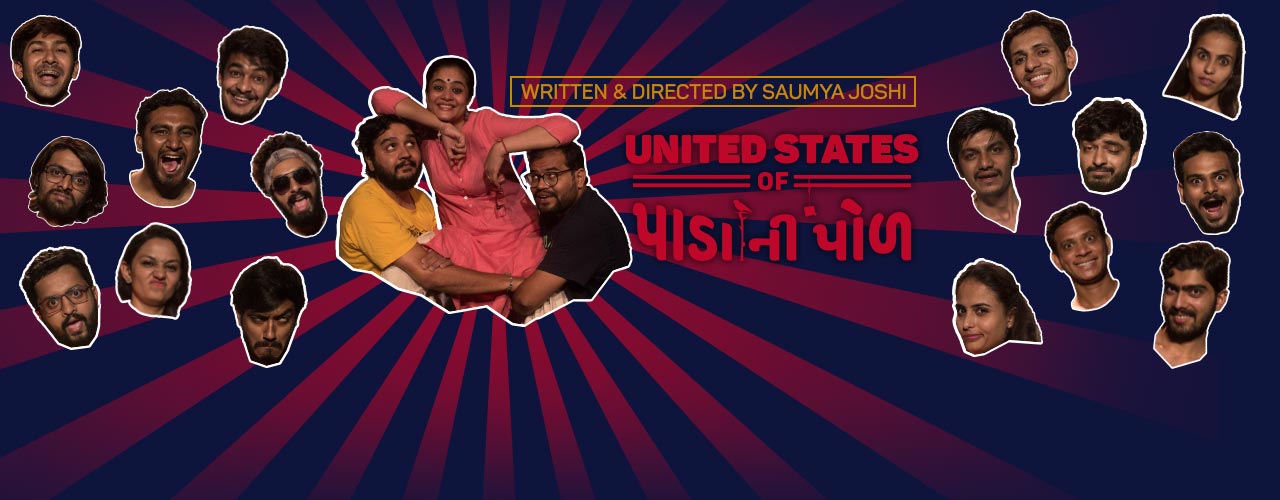
United States Of Pada Ni Pol celebrated its 100th show at Ouroboros – The Art Hub. A great milestone as the light-hearted play has succeeded on the strength of word of mouth alone.
Saumya Joshi’s United States Of Pada Ni Pol is a play which celebrates the lives of people living in Pols (cluster of houses). The people living in pols have their lives intertwined and how they help each other. The play delivers the importance of simple life values as it entertains and makes you laugh.
The main protagonist is a senior citizen widow who dreams of visiting United States of America. How the entire community helps her to actualize her dream forms the main crux of the play.
Actress Jigna Dave is a class as she plays the main protagonist Mansi and shares the stage with Prem Gadhvi and Saumya Joshi. The support cast is equally amazing. The play celebrates Ahmedabad and Gujarati language and is a tribute to both of them.
Ouroboros – The Art Hub gives the feeling of Sanjana Kapoor’s Prithvi Theatre to Bombay Souls like me. The connect and bond between artists and audience is complete and it elevates the experience.
The 100th show today also marked the beginning of new tradition – felicitating the real life heroes. The first felicitated Sanjaybhai and his colleagues from Jay Bhim Vividh Lakshmi Trust, Gandhinagar. They may be auto-rickshaw and car drivers, but they are driving the future of many poor kids by opening a school and educating kids.
On Behalf Of GujaratiLexicon Team, We Are Pleased To Invite All Lovers Of Gujarati Language For The Twin Events:
1. The 4th Ratilal P Chandaria Memorial Lecture by Shri Urvish Kothari on Gujarati Language
2. Launch of Digital Version of The Vishwamanav Magazine – One Of The Heritage Magazine of Gujarati Language
A Great Opportunity For All of Us To Meet Each Other.
A Opportunity To Interact With Leading Gujarati Minds.
Feb 23, 2019
Gujarat Sahitya Parishad
10 AM To 2 PM
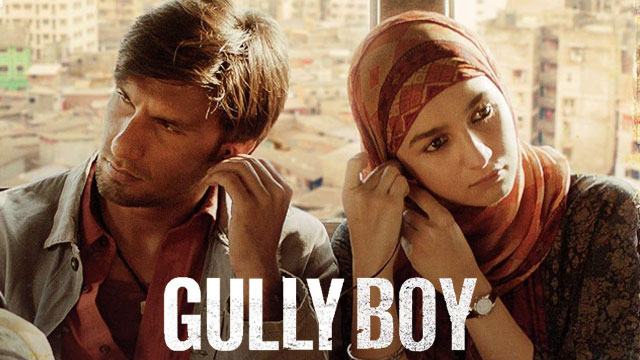
Hats off to Zoya for a brave and inspiring movie. How a small Gully Boy (kid from the street) uses his talent to rise in life against all odds. He uses hip-hop as expression of his despair.
Ranveer’s purple patch continues. He is awesome – again! In complete contrast to Simba and his high-energy self, we see a vulnerable and restrained protagonist. His channelizes his character’s anger and frustration into a productive outlet – rap. He listens to the insults. He maintains his relations and friendships. He makes his point – but never dramatic. He is never over-the-top. Ranveer internalises Muraad effortlessly. He is flawed but honest. He is Dharavi boy with big dreams.
Alia (Safeena) supports Ranveer’s steel resolve with her solid, energetic and power-punched performance. She is truly bombastic as a ‘tod-phod’ character. Siddhant Chaturvedi shines in a great debut and provides the right momentum to the proceedings. He is leading the charge in the first half. He is a great revelation. Kalki, Vijay Raaz and everyone else provide a solid support.
Zoya has made a thoughtful movie that is equally entertaining. She has made a compelling argument. She is giving microphone to the less heard voices of Bombay. The less-privileged living next to high rises can also rise high! It is a positive attitude pill – something that everyone will enjoy.
Zoya probes gently into the souls of each character and presents their conflicts and challenges in a gentle way. It is not just a story of Muraad but also of Safeena, M C Sher, Murad’s mom, Murad’s dad, Sky, Moin etc.
Small and strong statements exist throughout the movie. Ranveer is measuring the bathroom of Sky’s house and compares with his room. Ranveers sees people dragging on lives in the city of dreams. One of the most beautiful moment was when Ranveer is driving the employer’s daughter and she is sobbing. The class divide is wide enough to drown the humanity. Later in the movie, when Sky bridges the divides, Muraad says: Thank You!
And yes, the rap songs have wonderful lyrics. They are a character in itself and one enjoys them thoroughly.
Listen to the great track:
Apna time aayega!
Zinda mera khwab ab kaise tu dafnayega?
Kyun lagta hai yeh bustee ek andha kuan hain
My beloved Bombay is a character in the movie with its trains, Dharavi, fast life. The film gives a real feel of the “Gully” life.
The movie has its heart in the right place. Ranveer Ka Time Aa Gaya Hai! It is the first great movie of the year 2019. Do not miss it! Watch it!
Bollywood’s paradigm shift towards content-driven cinema and death of template movies cemented itself strongly after the strong winds of last few years. If you have reading my annual Bollywood reviews and other blogs, I have abhorred the template movie making where you leverage star access, big production house camps, promote mediocre cinema with heavy marketing and sell artistic cinema to commercial interests.
Public sab jaanti hai….
The Khurranas, Kaushals, Raos, Pannus have dismantled Khans…Content driven cinema of real India has charmed the audience over foreign locales and over-the-top cinema.
Let us start with a quick round-up of my favourite movies of 2018. Treat this as a watch-list for the Holiday Season!
Top 5 movies of 2018:
1. AndhaDhun
What a movie! Sriram Raghavan’s never-wracking and awesome thriller which keeps you on the edge of the seat. Brilliantly written, perfectly directed and wonderfully enacted, this is one of the best Indian thrillers.
Ayushmann Khurrana owns the film and enriches it with his complete subversive act. Tabu is a master-class and shows the eternal talent she is. Each and every character shine and keeps us hooked till the last second – including talented and under-felicitated Ashwini Kalsekar, cannot not see her in 2018 Radhika Apte and welcome back charming Anil Dhawan.
The scene where Ayushmann is playing a melody on piano and suddenly a dead body is seen in the room – it hits you out of nowhere. Or the cat scene. The movie is full of interesting shock and awe treatments with soft gloves.
Filled with Hitchcock motifs, effective music and open to multiple interpretations like Bhagvad Gita and Matrix, AndhaDhun is the best Bollywood movie of 2018.
2. October
Everything is not spoken in love and relationships. The feeling and spiritual connect is more important than the words and symbols. October is about love in its purest form. And it about us, our battles and our connect with the internal and external world.
Juhi Chaturvedi’s beautiful writing is amplified with empathy and care by Shoojit Sircar, after their earlier collaboration on Vicky Donor and Piku. One of the finest performances of Varun Dhawan and ably supported by Banita Sandhu. Watch out for the scene where Dan and Shiuli acknowledge the relationship – moving! Shiuli – what a name and aptly given!
Poetry on screen. Visually arresting. Touching story of love, loss and longing. Slow down India – this is the movie for the soul. Movie of the unconditional love and beauty of silence in a loud loud India.
3. Badhaai Ho
Badhaai Ho is the complete wholesome entertainer of the year! Ayushmann Khurrana shines in yet another celebration of small-town India’s coping with progressive views.
Amit Sharma challenges the age-old prejudices, shame and taboo of sex, desire, choice and individuality of senior citizens. The screenplay, editing and award-winning performances of the entire cast of Ayushmann Khurrana, Neena Gupta, Gajraj Rao and Surekha Sikri will give you a movie to relish and think. Humour is the best way to drive a message and Badhaai Ho does it in a perfect way!
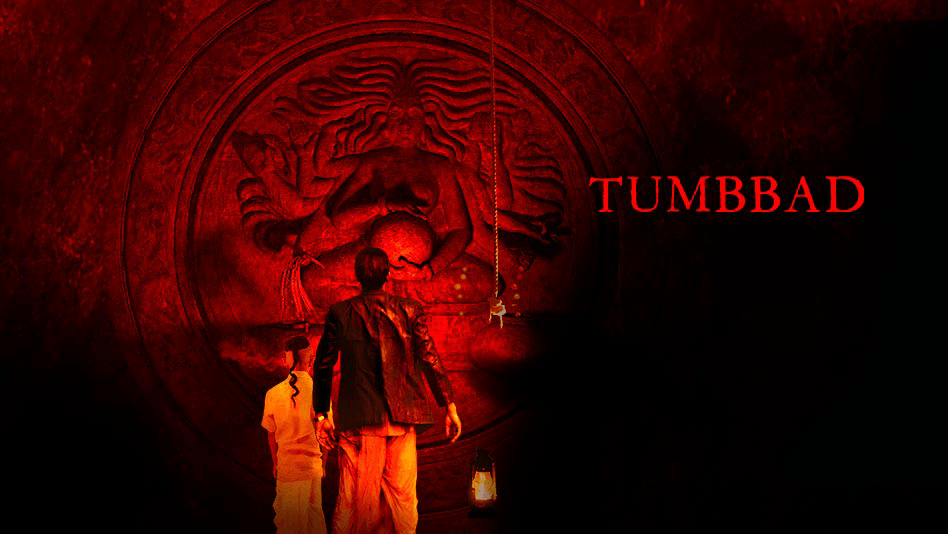
4. Tumbbad
An Indian movie to be proud of! A visually gorgeous treat. Deep and intriguing metaphors.
Set in a small village of Maharashtra, Tumbbad is a psychological horror at its best. Fear is scary but greed of humans is scarier, and it turns men into monsters.
Solid writing, world-class CGI, Hollywood style production values, background music and awesome cinematography make Tumbbad a very distinctive movie. The Ship of Theseus man Sohum Shah delivers a performance that is par excellence. The transformation of his character from childhood to young man to father to his death is depicted beautifully. A original, courageous and haunting Indian movie! A different experience!
5. Stree
Rajkumar Rao charms us in an earthy horror comedy set in a small village Chanderi. The movie drives the message successfully through the travails of charming tailor Rajkumar. Terror strikes the village during four days of annual puja. Men are locked into homes in the evening. The eerie and comic situation arising out of a female ghost is nicely narrated by director Amar Kaushik. Pankaj Tripathi excels, and Shraddha Kapoor lends a strong support.
Apart from the above movies, the following movies deserve a strong mention:
1. Raazi
Meghna Gulzar directs super talented Alia Bhatt for a spy thriller. The Alia super show presents transformation of a Kashmiri girl into a trained spy with her vulnerabilities intact. Vicky Kaushal shines in the movie and cements his position as the emerging star of Bollywood.
The movie has been a safe play for Meghna Gulzar. The music is beautiful. The best part of the movie was equal and respectful treatment of both countries – unlike Pak-bashing Gadar type movies.
2. Manto
The moving story of the enduring and timeless Saadat Hasan Manto – honest, controversial and thought-provoking writer of the Indian subcontinent. Nawaz shines once again in a brilliantly directed Nandita Das movie.
Trust Anurag Kashyap to give a compelling, layered love story. The Hum Dil De Chuke Sanam inspired movie has fabulous performances by Taapsee Pannu, Vicky Kaushal and Junior Bachchan.
4. 102 Not Out
The successful Gujarati play was brought to the big screen with Amitabha and Rishi Kapoor leading the cast. The strong script was brought to life by the stalwarts and drove the message of living life to the fullest.
5. Veere Di Wedding
This is an important movie that strengthened the feminine power and broke more established views than any other movie. Full credit to the Shashanka, Rhea and the beautiful cast of Sonam, Kareena, Swara Bhaskar and Shikha.
6. Kedarnath
The Babri Masjid demolition anniversary saw the release of Hindu-Muslim love story set against the backdrop of Uttarakhand floods. Sara Ali is a product of Hindu-Muslim love story and Sushant is a heart-melter – the magic shines in bit and pieces in the beautiful backdrop of Kedarnath and today’s India. Could have been much better like Abhishek’s earlier Kai Po Che!
Sonu Ki Titu Ki Sweety was the sleeper hit of the year. The most average movie with a hit song and nice narrative hit the chord with the audience and went to make 150 crores. Pari and Mulk were nice ventures with Mulk shining with strong performance of Taapsee Pannu and Rishi Kapoor.
Karwaan and Qarib Qarib Single were the easy feel-good pictures featuring Irrfan. Karwaan was philosophical road trip with nice performances by Mithila Parkar and Dulquer Salmaan.
Hichcki, Helicopter Eela, Baaghi 2 were ventures with defined objectives. Canadian citizen Akshaya Kumar continued to charm Indians with Bharat ‘Manoj’ Kumar positioning in Padman and Gold. Padman has its heart in the right place and should help more conversations on the important topic for the emerging India.
Padmaavat and 2.0 (Hindi) were huge movies with the former courting controversies and controversies. Ranveer Singh emerged taller from the movie and Sanjay Leela Bhansali laughed all the way to the bank.
The Rise of Online Streaming in India
One must not forget the emergence of video streaming in India with HBO Go, Netflix, Amazon Prime, Hotstar, Eros Now and Zee leading the pack. Netflix and Amazon Prime are in the hot race with significant spends. Netflix relies on its global model and both are investing in local content. It will help both the new talent and tired talent. Mirzapur and Sacred Games were gripping tales matched by powerful acting, strong direction and marketing-distribution of Amazon and Netflix respectively. Pankaj Tripathi ruled Mirzapur and gave one of the most memorable performances. Nawaz’s Sacred Games was yet another gangsta outing for him, where he ruled the show effortless – but no new breaking ground for him. Manto was more powerful and let’s wait for Thackeray movie.
The Fall of Mighty Names
The one you love the most can be the source of your biggest anger. Rajkumar Hirani’s Sanju deserves the top award for the most misdirected wasteful channelling of energies and resources of 2018. Raju Sir – How much we love you and own you for Munnabhai, PK and 3 Idiots. Why this Kolaveri Di?
Aamir Khan sacrificed his Midas touch for a few pieces of gold and created the biggest robbery against himself and his values in Thugs of Hindustan. I will not criticise Race 3 because I did not expect anything from it. SRK’s Zero proved that Khans need to move to new pastures and reinvent the game once again.
The Numbers
You read a lot about the new age movies and the fall of big names. What do numbers say? Sanju made 350 crores, Padmaavat made 300 crores, Thugs made 150 crores, Race 3 made 170 crores. Wow!
AndhaDhun made 110 crores, Badhaai Ho made 150+ crores, Raazi made 200 crores, 102 Not Out 112 crores, Stree made 130 crores. Manto and Tumbbad did not make much money.
The future is bright for Bollywood as the rise of content-driven new cinema continues with fresh talent. The hegemony of the camps and star-power has been shaken. The audience have clearly voted with their feet and the commercial Bollywood is smart enough to smell the coffee.
And as a Cinephile with interest crossing Silicon Valley and Cinema, I welcome the newest Bollywood fan – Elon Musk. Apple is due for the investment in Indian Entertainment space. Will Elon and Apple surprise us? Elon has lots on his place while Apple will take its time. Can Indian marketplace create a global impact?
Happy New Year 2019! May your life and year be a blockbuster hit!
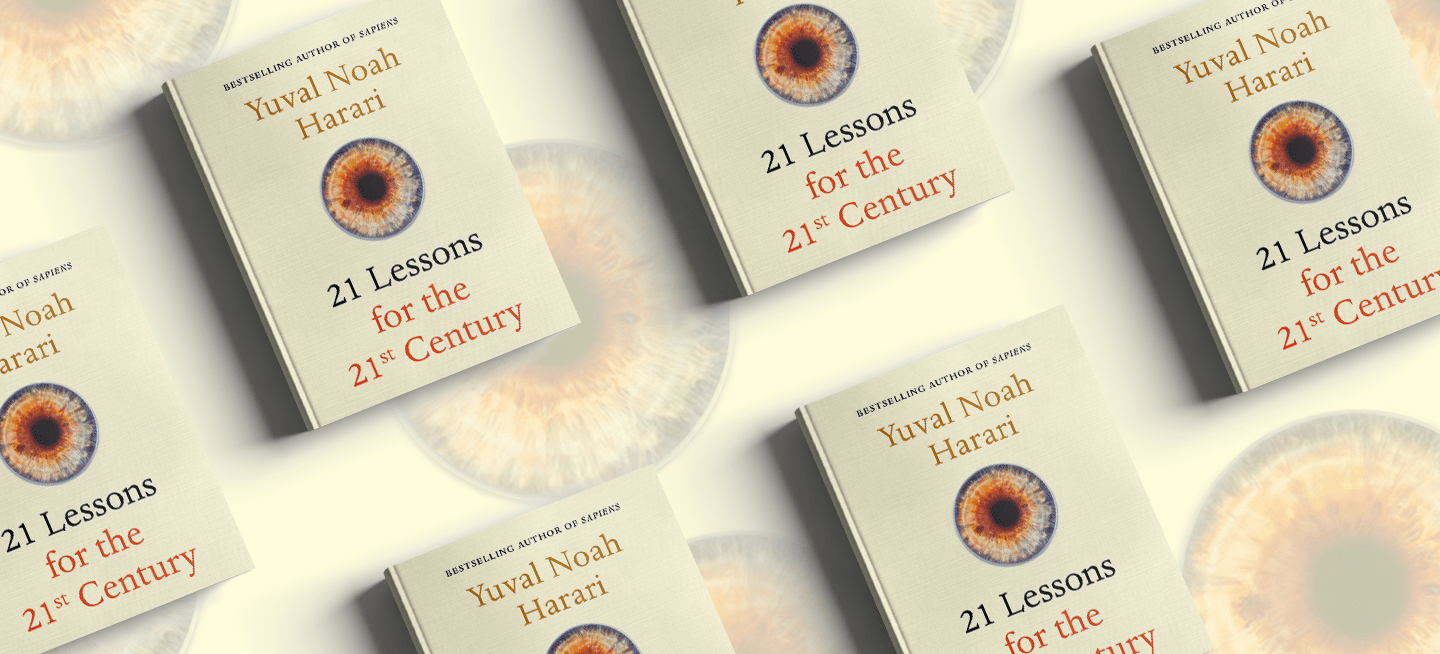
The highly stimulating and inspiring Yuval Noah Harari is back! His latest book ‘21 Lessons for the 21st Century‘ completes his trilogy. While his previous best sellers, Sapiens and Homo Deus explored the past and the future respectively, 21 Lessons focusses on the present and contemporary topics.
I read the book on a long SFO-Delhi flight in one reading, amidst the chaos of Brexit and US-China trade tensions. I was returning from an annual planning pilgrimage where we were trying to look at the crystal ball and make our bets. So, the topic of knowing the present and the modern challenges made a lot of sense. The book’s cover jacket and introduction indeed made the right claims:
How can we protect ourselves from nuclear war and technological disruptions? What are today’s greatest challenges and choices? What should we pay attention to? Are we still capable of understanding the world we have created? What should we teach our children?
The book is divided into 21 chapters over 5 different sections and cover topics Work, Terrorism, Immigration, Nationalism, War God, Fake News, Education etc. So how does the book measure up? Does it rise up to the claims?
The vegan smartphone-less Yuval Noah indeed makes a compelling reading. His wide knowledge and deep intellect are evident in his strong claims. The contemporary examples quickly relate and establish a shared platform for arguments. It offers interesting insights and ideas to provoke further thinking and find answers. Sample this:
1. Donald Trump warned voters that the Mexicans and Chinese will take their jobs, and that they could therefore build a wall on the Mexican border. He never warned voters that the algorithms will take their jobs, nor did he suggest building a firewall on the border with California. True indeed. It is very easy to create a narrative and channelize resources against a visible threat, but what about the larger invisible challenges. It is easy for Donald Trump to talk about Mexicans but how do we prepare to deal humanity with the challenges arising from the confluence of AI and Biotech? The same thing is happening across the world.
2. The Russian, Chinese and Cuban revolution were made by people who were vital for the economy and lacked political power. But Trump and Brexit were supported by people who enjoyed political power and were afraid to lose the economic power.
3. Humans vote with their feet. Which countries do people want to emigrate to? It tells the answer for the future. People want to move to USA, Germany, Canada, Australia.
4. Why terrorism makes headlines? Because the world has become a safer place as compared to the past and any new acts of violence makes more noise. Terrorists are successful because they are like a small fly that can drive a large mad bull to smash up a china shop. That is exactly what 9/11 did. It drove US to smash up Middle East. Terrorism requires action on three fronts: state action against terrorist networks, responsible media management and individual self-restraint.
5. Humans have two types of abilities – physical and cognitive. In the past, machines competed with humans mainly in the raw physical abilities, while humans retained an immense edge in raw physical abilities. Today, machines are taking over human beings even in the cognitive abilities. So how can humans retain an edge over machines?
6. Artificial intelligence and biotech are the future and will change humanity. Are we ready for it?
7. Self-driving cars are safer, but will we understand that? Shall we protect people, or shall we protect jobs? The jobs in Bangladesh and Bangalore will be lost soon. How do we train the redundant workforce? It was easier for farm labourer to become industrial worker or retail help as it required very less significant training. What happens in the future when jobs are becoming very specialised?
8. The rich are becoming richer, but they may become superior and more talented as well in the future. There will be a rise of “useless” class of people. What are the implications for the society and humanity?
9. The climate change will be good news for Russia.
Does the book offer solutions? Yes and no. It offers high level solutions – universal basic income, globalisation of politics, meditation etc. However, if one is looking for practical and innovative solutions, there are very few. And it is not Yuval Noah’s fault – nobody has got the answers right to these questions. At least he has identified the right questions to find answers for and given some initial thoughts. He wants us to debate and find our own answers.
The book is a good read and a recommended reading. But first do read Homo Deus and Sapiens as well.
Technological changes and overall trends are often difficult to predict. What seems as the obvious future often fails to deliver, and new innovations take over! Look around and many of the technological tools that we take for granted, were never predicted…The Fintech world continues to present new ideas, solutions and business models.
The future of Fintech, money and payments is linked to the evolution of the society. In next 10-20 years, we may see the emergence of robots, machine to machine interaction, smart cities, universal basic economy, ageing population, climate change and prosperous mankind.
In that age, payments between machines will be automatic and invisible. Cashless economy will be a reality with secure, invisible, hyper-connected, data-driven money and payment system becoming a backbone like internet and electricity.
Payments will be integrated as a part of buying experience. Pricing and offers will be specific to you as per your financial score. Secure micro-payments will be order of the day. Micro-payments will also mean more access to everyone.
Technological innovations in payment will allow the remaining less-privileged to get access to basic income and help from across the world. The credit scoring, mortgage options etc. all will be seamless and real-time.
Property will be tokenized. Agricultural land will be tokenized. Equity tokenization will unlock liquidity. Blockchain will be leveraged for tokenization in the future and new business models will emerge. Privacy, legal and security frameworks will ensure the required safeguards.
Quick and easy barter mechanisms will become an alternative to the money economy.
The cumulative effect will be help unbanked and underbanked individuals and SMEs to get benefits of the financial system and accelerate job creation, equitable and balanced economic growth.
I got introduced to Saadat Hasan Manto when I read Toba Tek Singh in school while studying the partition of India. Khushwant Singh’s Train To Pakistan and Govind Nilhalani’s Tamas completed my partition trilogy. (Tamas’ author is Bhisham Shahni and I watched the Doordarshan masterpiece).
Manto kept on resurfacing at regular intervals and his impact grew on me with the passage of time. Thanda Ghosht and Khol Do threw light on monstrous brutalities committed by fellow human beings in the name of partition.
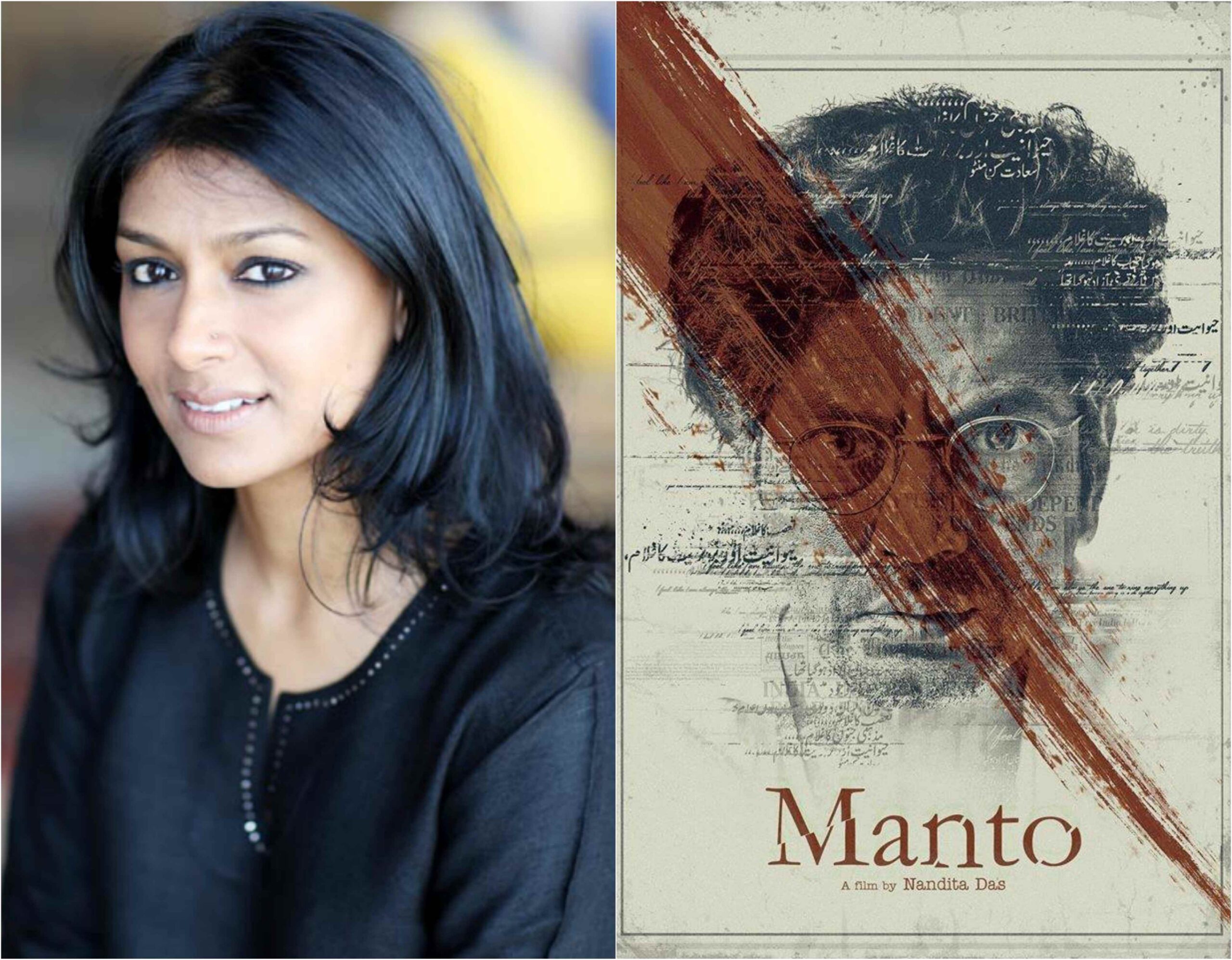
Nandita Das brings Manto back into the spotlight – a much awaited film on the genius by a sensitive and intellectual director.
Nandita’s Manto depicts his journey from pre-Independent British India to post-partition India and a newly formed Pakistan. The movie’s initial focus is on Manto’s Bollywood days, friendship with Ismat Chughtai, family time with wife Safiya etc. One gets a glimpse of Bollywood personalities, Manto’s fearless voice, his empathy for the less elite members of the society and the power of his words. Post India’s independence, the evil partition divides a newly reborn country. After a brief time in Bombay, Manto moves to Pakistan. The loss of Bombay and the scars of partition slowly affect him and break him down. Liquor and cigarettes become his fast friends and he stops writing back to his friends in Bombay. His pen is still brutally naked and focusses on the monstrous human behavior. He is charged with a case of obscenity in Pakistan and he loses it. The progressive writers also attack him, and he finds himself in a minority. Eventually he goes to an asylum for de-addiction.
Returning after a decade to the director’s chair, Nandita Das provides a very touching portrayal of the man behind the author and his eventual breakdown. She depicts Manto’s struggles, pains and heartbreak with total empathy. Her hard-work in research is very evident.
Nawazuddin Siddiqui is at the top of his game. He looks and plays the attitude of Saadat Hasan Manto with great effectiveness. Manto is a new breaking ground for Nawazuddin, who has mastered the thriller and gangster space. Rasika Duggal is a perfect companion to Manto and she provides the right anchor. She is silent, spirited, strong and dignified. The supporting cast includes stalwarts like Paresh Rawal, Divya Dutta, Rishi Kapoor, Ranvir Shoerey, Javed Akhtar, Ila Arun, Gurdaas Maan, Niraj Kabi etc. Tahir Bhasin shines as Manto’s friend/superstar Shyam. It is worth noting that most of the stars have done the film at zero or minimal cost. Nawaz has charged only Re 1 for the movie. The movie’s production values, art, costume music and background score are world-class and in perfect sync with the movie’s tone. ‘Bol Ke Lab Azaad Hai Tere’ is an anthem!
Manto’s screenplay is the real highlight of the movie. The dialogues are designed to keep you thinking. Sample this:
“Agar aap mere afsaano ko bardasht nahi kar sakte, toh iska matlab yeh hai ke zamaana hi naakabil-e-bardaasht hai”.
“Meri kahaaniyon ko main ek aaina samajhta hoon jismein samaaj apne aap ko dekh sake. Aur kisi buri surat waale ko aaine se hi shikayat ho toh usmein mera kya kasoor?”
“ When religion moves from hearts to head, people start wearing religious caps”
The scenes are very well-designed and thoughtful. Take a very simple scene at the start of the movie – where Manto and Safiya are sitting in a park and discussing about a woman’s facial hair. A simple park banter speaks of their companionship, Manto’s imagination and simplicity of their lives.
Or another scene in which prompts Manto to move to Pakistan. His friend is trying to stop him from going to Pakistan. He argues and says that Manto is not a Muslim enough (in reference to his alcoholic habits). Manto retorts that he is a Muslim enough to be killed. The scene delivers in the message in the most thundering silent way!
Manto’s sensitivity is seen in another scene. He is hurt when Faiz Ahmed Faiz defends Manto’s writing as not obscene, but he also remarks that Manto’s work is not literature. He keeps on thinking about this comment in garden. His daughter’s sickness and his apology to Safiya really affect you – why does he have to suffer!
Nandita weaves Manto’s famous stories into the main narrative with great dexterity but I found the stories to be too brief and directly striking the key message. I understand Nandita never wanted to talk about the stories because everyone knows them – she was highlighting the context and inspiration of those stories. But I would have loved to see Nandita’s Midas touch to these timeless stories.
Many of us do not know Gandhi, so to expect people to be aware of Manto is an important assumption. The movie’s promos and Mantoiyat theme had created an impression of a strong, courageous and larger-than-life Manto. People were expecting more fiery stuff whereas the movie showcased only the few years of Manto’s life. This created an expectation vs reality gap. But it is director’s prerogative to choose what to showcase. The chosen aspect of life is more difficult to showcase. More importantly, it is more significant to be showcased – how a creative genius withers away!
The post millennial generation cannot relate to DevDas and even Gandhi has to be wrapped in Gandhigiri. So, the film came across as a little gloomy and melancholic.
But I should not speak for everyone. Manto would not be happy. He would rebuke me and rightly so! (Remember the Lahore scene. Manto speaks to bibliophiles in Lahore and a member of the audience remarks that readers find Manto’s work dark. Manto rebukes the person for speaking for all readers instead of himself. An important point made when we often see people speaking for entire populace. )
I loved Manto. It is a class act. It is a rare gem. It is one of the fine works of recent times. Its grows on you! And it really makes you think!
“Jab ghulam the, toh aazaadi ka khwaab dekhte the. Aur ab aazaad hai, toh kaunsa khwaab dekhenge?”
The impact and importance of the movie is beyond the box-office numbers!
Ten years ago, it started as a humble thought but little did I know that ‘Live To Give’ will become a motto and a defining philosophy for me!
Over the years, it has taken different forms:
– Spending time and energy behind worthy people, organisations and causes
– Mentoring and helping students, friends, colleagues, relatives and budding entrepreneurs
– Providing intellectual, network and financial capital
– Evangelising causes
– Cheer leader
It has been a mutually rewarding and soul-enriching act. It has been a great learning experience as well. It is a challenging act as demands on time and energies keep increasing in all domains of life – but it is worth it!
I was discussing this personal philosophy with some young friends and it prompted to check the original note of ‘Live To Give’….still holds true! (And inspired this post!)
The Original 2008 Founding Version of ‘Live To Give’
Live To Give!
If I can stop one heart from breaking,
I shall not live in vain;
If I can ease one life the aching,
Or cool one pain,
Or help one fainting robin
Unto his nest again,
I shall not live in vain.
: Emily Dickinson
‘Live To Give’ is a concept of giving back to society. Whatever way. Whatever time. Helping anyone.
‘Live To Give’ is not an organisation, it is a mantra for life. We have to leave the world by giving more than we received from it. We have to leave every place by making it better than what we found it.
‘Live To Give’ is an idea to get people to help each other. Organisations, individuals can help in any manner they deem fit. If you are good in accounts, please help an old age home to manage its accounts. If you are good in technology, help someone to learn computers. If you are good in marketing, please help the neighbourhood library to add more members. If you love children, visit orphanages and spread joy. If you are well-connected, connect the have-nots with haves. The haves will be thankful. However, ‘Live To Give’ is not helping just the have-nots or the non-elite. Not at all!
‘Live To Give’ is a way of life. Give wherever you can. Give your best at work place. Give your best at home. Give your best to the fellow passenger on train. Give your best to the stranger looking for directions. Give your best to the friend in your life.
What will matter the most to us? How much did we earn or what difference we made in the environment?
Image Courtesy: Photo by Lina Trochez and Thought Catalog on Unsplash
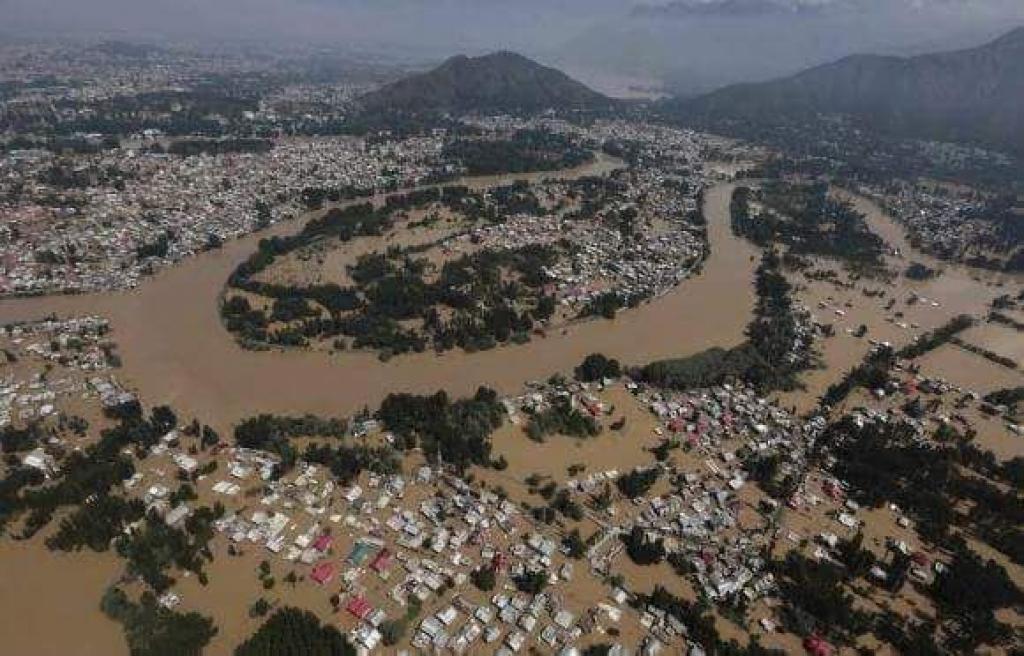
Open Our Hearts And Wallets For Kerala!
Every Little Help Counts!
Donate Help, Material Or Funds! Many Options Available To Stand Up For Kerala!
Lots of ways to help! Lots of people and organizations helping!
Listing a few options:
1. Chief Minister’s Distress Relief Fund
The best help right now is monetary help.
Financial assistance can be provided using the CM’s Distress Relief Fund (CMDRF). The donations are exempted from income tax as well as Foreign Contribution Regulation Act, 2010.
Goonj is one of the most genuine organizations that has been helping less privileged. Its founder Anshu Gupta is a Ramon Magsaysay winner. You may have seen him in KBC as well. (I know him via his brother Nishu Gupta, who is my SPJain batchmate). Genuine guys!
All major apps including PayTM and Amazon have donate button. (See images)
5. Common Indians have risen up!
Friends of my friend Sridhar have taken up the mantle of helping Kerala…And so are other Indians…if you know authentic guys, please help. See one example!
We are putting together and organising resources for help for people in Kerala. We request your kind help in any way possible. We need volunteers for collection, transportation, Delivery and Distribution into Kerala. We are also in need of any relief material that you are able to provide us with from the below list:
Materials required:
Water purification tablets
Diapers
Soap
Toothbrush
Toothpaste
Towels
Clothes( please dont send us unusable clothes)
Medicines – crocin, antibiotics, cough syrups, first aid etc.
Dettol
Packet food ( biscuits, ready to eats etc)
Sanitary pads
Candles
Matchboxes
Milk powder for kids
Mosquito repellants
Chlorine tablets
Tarpaulin
Rubber chappal
Rain coats
Mats for sleeping
For Chennai collection:
please deliver at
No. 14, 3rd street,
Ganapathy colony,
Teynampet,
Chennai – 600018
For Bengaluru collection
please deliver at
Hermitage Apartments,
No.22, Haudin Road,
Ulsoor,
Bengaluru
You can send the money to the below given account with the transaction comment as “For Kerala Relief”. Account details are:
Acct holder name: Sridhar Divakar
Bank: Citibank
Acct number – 5014973445
IFSC code – CITI0000003
PK. 3 Idiots. Lage Raho Munnabhai. Munnabhai MBBS.
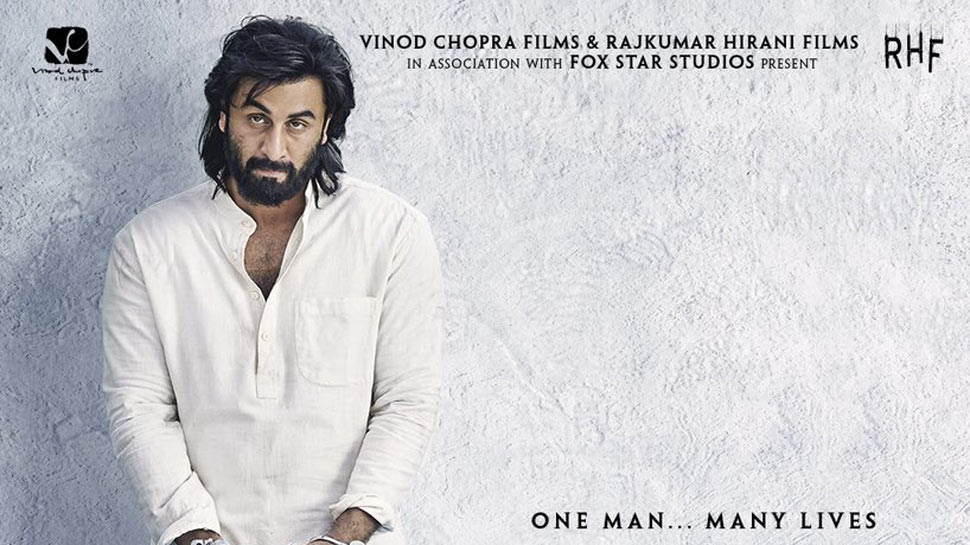
Sanju does not really fit in the league of the above movies and does not represent a right progression for the skilled director of Rajkumar Hirani’s calibre. But Rajkumar Hirani is Rajkumar Hirani thanks to Munnabhai series. Maybe this is a payback movie. Maybe Hirani was moved by the father-son relationship story or the general drama of Sanjay Dutt’s life.
Sanjay Dutt needed an image makeover. Ranbir need a comeback. Definitely, Hirani did not need this movie. The movie needed Hirani. We will never understand why Hirani chose this movie but let’s move out of this question and think of the movie independently.
The Ranbir Kapoor starrer is the story of selected episodes of Sanjay Dutt’s roller-coaster life. The movie focuses on his addiction to drugs, gun-possession and father-son relationship. The first half focusses purely on the drug addiction and friendship with Vicky Kaushal – who continues to shine and rise. The second half is an attempt to delve deeper into the gun episode and resurrect his image. The demonization of media and the fake news are highlighted smartly to cash in on current sentiments. The second half brings out the goodness of Senior Dutt and his unparalleled efforts to bring his son’s life back on track. The father-son element is the highlight of the movie and will bring tears to you. Indian father-sons have complex and difficult relationships!
Thanks to legal machinery and defamation case industry, the many relationships with women, politicians and others are avoided. Bal Thackeray is absent. Richa Sharma is absent. Rhea Pillai is absent. And so are many ‘heroines’. So, less masala. There are fictional elements introduced like the biographer.
The stars of the movie are Vicky Kaushal and Paresh Rawal. Both of them outshine Ranbir Kapoor – who himself has given one of the best performances of his life. His has completely mastered the character, behavior and physical appearance of Sanjay Dutt. The women actors have marginal presence and music is average.
Rajkumar Hirani fails himself by showcasing only select elements of truth of Sanjay Dutt’s life. Rajkumar Hirani brand loses to Rajkumar Hirani the friend. The midas touch is missing in this wasted opportunity. A pity and a loss for all of us!