Category: Technology

  • Are You Ready For The Robo-Revolution?

    Are You Ready For The Robo-Revolution?

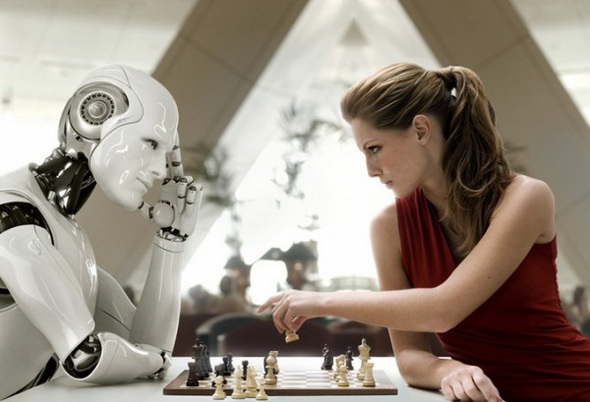
    The Robotization topic has moved from moved from tech unconferences to boardrooms to factories and warehouses. Organizations are implementing the Robotization use cases across the industries. And this is happening fast along with machine learning and improvements in artificial learning. 

    Recently, I visited one of the largest milk dairies and saw that less than 15% of employees are employed as compared to previous few years. The control center did not even have a machine – if things go wrong, it will have start an alarm. McKinsey has predicted that within eight years, one-third trucks on the road will be self-driving trucks. So, will the truck-driver be an anachronism? (Truck driver is one of the most common jobs in the US with 3.5 million people in US.)

    Robotization is for real. How will its spread impact jobs? Already people are suffering from unemployment and discontent across major economies which have created political challenges. Will this create further joblessness? Will this lead to more Occupy Wallstreet? Will self-driving trucks render drivers without work? Will politicians stop targeting immigrants and target robots for job losses? Will it raise the case for universal basic income or profit-sharing policies? Will it create new public policies? 

    Lot of important questions are to be answered. On the other hand, there is a fear psychosis being created – ‘Half of the jobs will be lost to robots’, ‘Robots will take over jobs by 2025’, etc., etc. How do we address these wrong fears?

    One more important thing, this time the robotisation of work will eat into more knowledge-based jobs as compared to low skill jobs alone. Accounts jobs can be taken by software. Robot-advisors will help with portfolio planning and investment decisions. Robotization and AI can threaten best of the jobs! Uber already raises invoices automatically, classifies it as a business or personal expense and send it to you. The software can receive these invoices and file them electronically. 

    So, since the white-collar jobs are at stake, there are more predictions of doom and gloom. But one needs to understand that automation and process improvements have always existed. The invention of the steam engine to the wheel to robots – all are the part of same technological progress. Technology has always been a net creator of jobs. 

    Of course, there are short term challenges but in the long run, everyone is better off. It will create opportunities and help reskilling of people. It will drive employees to high-value jobs and force skill upgrades. Data scientist, creative visualizer, UX expert, social media guru, search engine optimization etc. are the new jobs. As IBM CEO Ginni Romety quoted, the future of job creation is no longer white collar vs blue collar – its new collar. Or there is no collar, only hoodies 🙂

    Robotization is not be feared but to be celebrated. It frees us from high risk and day-to-day drudgery. It allows us to do more meaningful work. It helps us to evolve as a society. Of course, we need to make more decisions as a society and control our destiny. How much automation is good? What skills do we value? How should people spend their time outside of jobs? If they are working less, how do they live a more fulfilling life? What is the new definition of a job? Will the world economic production be on auto-pilot while we are working on creative and imaginative high-touch passions? Will we move to artisan and creative industries? Will it lead to more self-actualization? 

    How do you deal with the new normal? How do you get ready for the Robo Revolution? 
    1. Accept the change. Do not fight it or challenge the change – it is a futile effort. 
    2. Burn the box. Discard the status quo. Work on cultivating new skills. Problem-solving, creativity, judgment, team skills, digital and social skills will be never out of fashion. 
    3. Invest few hours every day in the emerging technologies – it will give you the headstart. Organisations will support the change-agents and people willing to upgrade. 
    4. Start small on new skills and emerging technologies. Work on small projects. Create new modules and build on the success. 
    5. Create learning groups and share the journey – difficult questions, fears, hacks, tips etc. It is much easier when we are together. 
    6. New processes and new styles of working will also create new opportunities. Identify those. Have a break-through idea or a radical thought – build on it. 
    7. Finally, do not panic. If you have good work ethic, are disciplined and willing to change, things will be fine. This too shall pass. 

    Academia, organization, society and governments have an important role to play to prepare the talent for right skills for the future. Training and collaborative approach is a must to avoid mass unemployment and skills gaps. That alone will help people to be more confident for the future and allow everyone to work to their competitive best. 

    What more can we do? How can we live where robots rule? I have asked my robot assistant to research on this and come back on the topic. 
  • The Emerging Ideas In FinTech Space….

    The Emerging Ideas In FinTech Space….

    The Payment & FinTech Space continues to evolve with lot of new possibilities. The cash payments continue to fall and rise of digital payments continue in UK and developed world. The digital payment offers completely new possibilities and scenarios for the digital natives. Let us look at interesting new ideas and use cases in payments: 

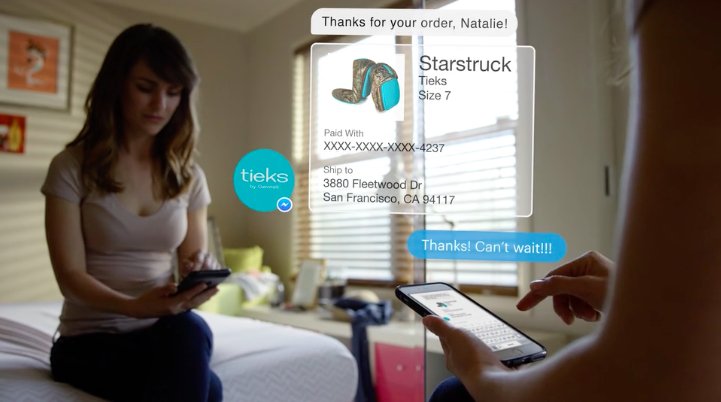
    Facebook Messenger Bots can now accept payments from customer without leaving the messenger app. This allows Messenger to become a complete commerce platform in itself. With a user base of more than 1 billion people, it can become a significant player. Pizza giant Dominos allows you to order Pizza via FB Bot in US. Indian Mobile Payment Startup Niki helps people in India hail a cab, order food, and pay for laundry or the electricity bill, among other things via Nikibot. 

    macgpic-1444047508-97975536257662-accroche
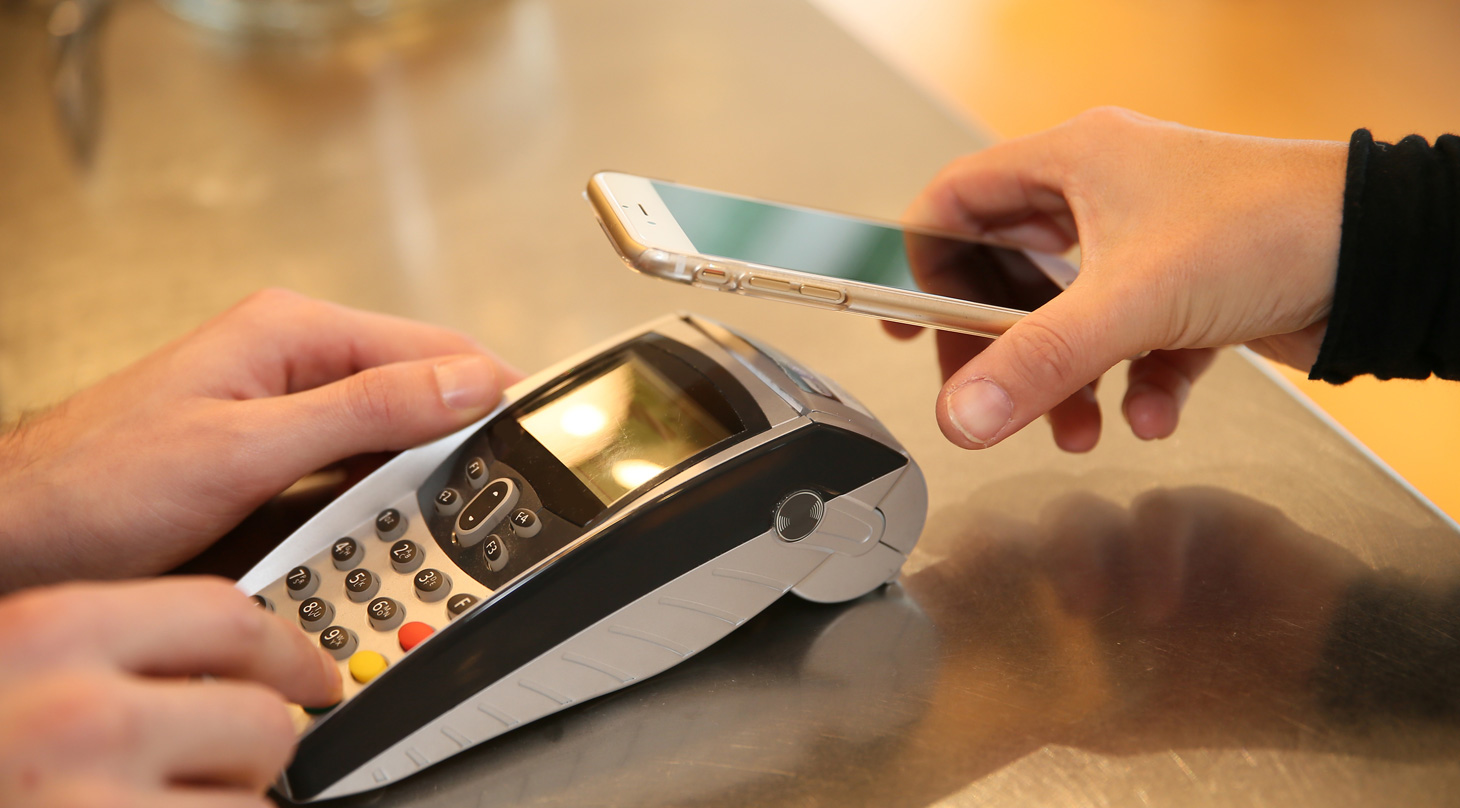
    Voice based Payments are here. Speak “Pay $20 To Amy” to Amazon Echo and the payment will be made using Alexa and other technologies. German Digital challenger bank N26 allows its customers to transfer money using Siri. “Siri, Send 21 Euros to Anastasia with N26”. A box within Siri will then appear checking the recipient, the amount and asks for confirmation. N26 also allows payments via iMessage. 

    Future Is Shining…The next big things in the payment space are the use of APIs, Virtual Reality and Biometrics. Connected Cars and Smart Equipments will make the payments. The refrigerator will buy and pay for the milk. The jury is still out on BitCoin….

    Interesting Ideas Are Emerging…DigiSeq has integrated payment, access control and loyalty into one smart wearable device. Universal Basket is a smart idea. It recognises any product on any website and allows shoppers to buy with one ID and shopping profile via a UB-powered website or application. Swedish Payment giant Klarna has got is first big customer in UK – Arcadia Group. Klarna allows customers to try the product and pay later.If customers like the product, they can delay payment for up to three months interest free or start paying off with interest after three months are up. If they don’t like the product, they can send the item back. 

    Image Credit: Tech Insider.IO & Philips

  • India’s Silent Revolution…

    India’s Silent Revolution…

    A silent revolution is happening inside India. A revolution that is led by India’s leading minds. And they are putting their biggest investments behind the revolution – ideas, time and money. The revolution is working for providing world-class education to India’s children in rural areas. People across the board are working towards providing quality education for India’s poor and underprivileged children.

    Anupama Nayar and Vineet Nayar created Sampark Foundation to provide innovation led large-scale changes in primary school education. The ex-CEO of HCL Technologies and his wife have impacted the lives of 3 million children in 50,000 schools in Indian states of Uttarakhand, Jammu & Kashmir and Chattisgarh so far. They have committed to invest USD 100 million (INR 650 crores) and improve quality of education for 10 million children by 2020.

    After researching the key issues in primary education in India and studying Global Best Practices, they have initiated audio-visual driven learning methods. Sampark Didi helps to improve the English and Maths basic skills for students and teachers.

    Children love smartphones and tablets. Digital learning technologies can be an interesting catalyst for improving education. One such example is EkStep

    Nandan Nilekani – Time’s Global Influential Thinker, Architect of India’s National Identity Project Aadhar and ex-CEO of InfoSys has founded EkStep Foundation. It is a non-for-profit foundation that aims to extend learning opportunities to millions of Indian children through a collaborative, universal platform that facilitates creation and consumption of educational content. Nandan, Rohini Nilekani and Shankar Maruwada are co-founder and have the leadership team that was instrumental in developing the Aadhar Project.

    The Nilekanis have started with an initial commitment of USD 10 million and gamified Apps. EkStep Genie is a meta-app for creation and dissemination of gamified content.

    Azim Premji Foundation is working with 350,000 schools across 8 different states of India. Apart from research and development of content, it is working with Governments to improve the approach and outcomes of education. It is also establishing its own schools.

    The above initiatives are about the primary and basic education. India’s stock market expert Rakesh Jhunjhunwala and other foundations are working towards building curiosity and scientific appreciation amongst India’s generation next. Agastya Foundation runs one of the largest hands-on science education programs for children and teachers in the world. Agastya’s mission is “to spark curiosity, nurture creativity and instill confidence” in economically disadvantaged children and government schoolteachers by bringing innovative hands-on science education and peer-to-peer learning to government schools and villages across India.

    It has 175+ Mobile Science Vans which take science education to the village doorstep and 74+ Science Centers for disadvantaged children. It also has a 172-acre Creativity Lab campus in Andhra Pradesh and 313 Night Village Schools.

    Apart from these, there are several other initiatives – Mittals’ Bharti Foundation, Education Alliance, Central Square (founded by ex-ChrysCapital’s Ashish Dhawan), Pratham etc.

    Truly, the scale and execution of the above ideas is impressive. Even if a tiny percentage of the above efforts is successful, it will create a great impact.

    Fruits of education will take a few years to bear fruit, but they yield results at the right time when India’s economic leadership will be significant. And these children bring a new perspective to India’s future and transform India.

  • Connected Cars – Drive The Future. Today.

    Connected Cars – Drive The Future. Today.

    The invention of wheel has been an important invention of the human ingenuity that has created multiple scientific and business opportunities. Cars have been as much a necessity as a personal statement.

    Today cars are technology products. The evolution of car from a manufacturing to electrical to software product has been meteoric. The Car economy is driving towards being a service economy rather than a product one. OEMs are no longer interested in one-time sale of the car – they are looking at a confined steam of lifetime revenues and services. In the fact the price of the future cars will be highly subsidised and services may give more revenues – The Gillette Pricing model.

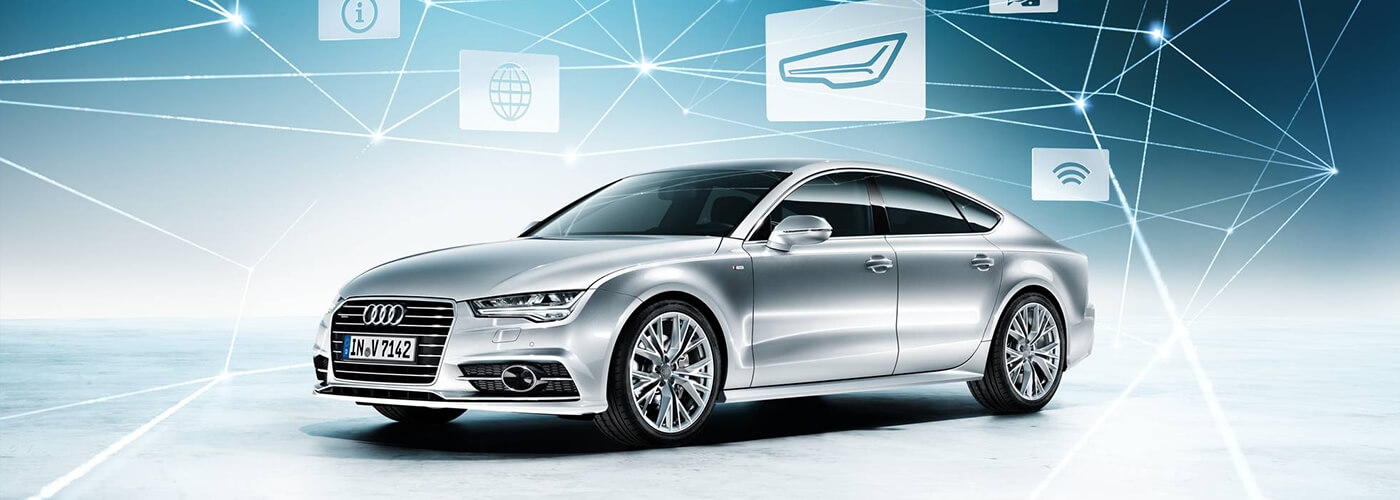
    Car Manufacturers need the help of other players to create a wholistic Connected Car Ecosystem – an Ecosystem where connected cars talk to each, city infrastructure and internet via multiple technological ways. The Connected Car Ecosystem represents a great opportunity for all the stake-holders including consumer.

    Connected Car is an emerging reality. All Major OEMs are working on designing and rolling out newer and better use cases for Connected Car. They are working with unlikely partners as they navigate the future of cars. OEMs are open for help from software developers and testing organisations to accelerate their solutions to the market.

    Infotainment is a big area where Connected Car technologies have made the first impact – which is obvious and understandable as it represents easy monetisation and quick adoption. A few Insurance companies have leveraged Apps/OBD Data/Telematics for better insurance premiums and information. Innovative and interesting new use-cases are emerging with the confluence of IoT, Mobile and Digital Technologies. A few are:

    1. Connected Cities: The Smart city can light only those street lights where the car is driving through. It means energy efficiency. The traffic management can be better planned based on the flow of current traffic. Roads that need immediate attention can be quickly determined. Audi has already announced the integration of street traffic light information on the car dashboard.
    2. Connected Payments: Cars can update one about the best prices at the fuel stations. Going forward, the payment can be made seamlessly for those fuel recharges. The Connected Car can also make the payment for those drive-through gelatos and French fries.
    3. Safety: Cars can be monitored to drive along pre-determined and optimal routes – any out of normal behaviour can trigger safety alarms and alerts. The car can equally detect the rightful owner through behaviour analytics. Similarly, cars can detect driver drowsiness or health issues and trigger relevant actions thereby ensuring safety. A driver’s heart attack can automatically stop the car and initiate SOS call.
    4. Better Care: Advanced Diagnostics help to take preventive maintenance and fixing of worn out automotive parts. Defects can be identified earlier and effectively avoiding large-scale recalls and PR disasters. In case of breakdown, quick, meaningful and relevant assistance can be provided.
    5. Better Driving Experience: Voice Recognition will open new vistas in driving. The Driverless car with Voice Recognition is a step towards autonomous driving.

    The Connected Car era also presents new questions:
    1. Who owns the customer? OEM, Software Manufacturer, Infrastructure Owner?
    2. How to create and win customer loyalty? The customer loyalty is of paramount importance to create a stream of continued revenues but what does the customer really need?
    3. How to create Open Framework for all to access? How to create New Standards for not only the car but customers’ data and information in a secure way?
    4. Effective collaboration to avoid duplication of standards, efforts and investments. How to leverage data collected through multiple systems?
    5. Regulatory & Privacy Issues. Wisdom gained from biometric, behavioural and locational data could be a goldmine as well as a landmine.
    6. Security Threats. Predicting system abuse and vulnerabilities is a key challenge. Hijacking is another treat.

    The industry is confident of addressing these challenges and moving ahead with a passionate fervour. These will create new opportunities, new business potential and new winners. The Connected Car Ecosystem is a compelling idea that promises better overall experience to customers, customer loyalty to players and overall environmental and safety benefits to the society.

    Image Courtesy: Audi

  • Quick Impressions Of Mobile World Congress 2016

    Quick Impressions Of Mobile World Congress 2016

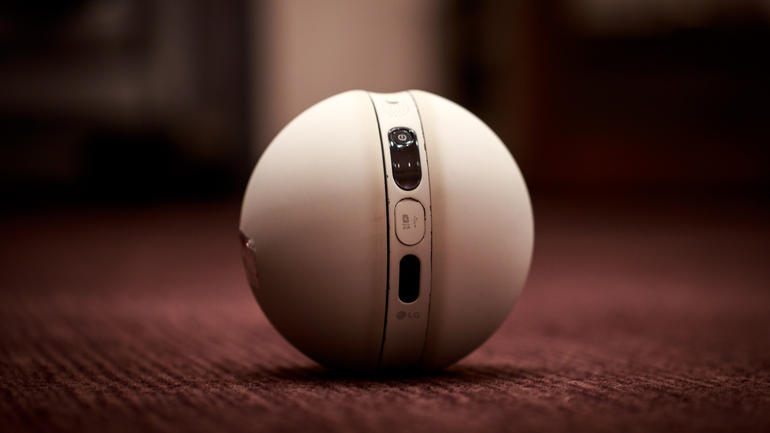
    lg-rolling-bot-1167-006

    The Mobile World Congress 2016

    The definitive and the biggest mobile show attracted 100,000 people from across the globe. Mobile World Congress already has a naming crisis – as the technology showcased at Barcelona has gone beyond Mobile many times over! 

    What were the highlights of Mobile World Congress 2016?

    1. Virtual Reality: Mark Zuckerberg ensured that Virtual Reality and Oculus got its gigantic push. Across the show, VR was in vogue. VR has gone mainstream. Facebook has promised a special Social VR Team to create new centre of experiences. With HTC, LG, Samsung and many other jumping the VR bandwagon, get prepared for a new definition of Surrealism!

    2. Cute Pet Robots: All of us loved BB-8 in Star Wars. LG’s Rolling is cuter and advanced than BB-8. With its cameras, lasers, microphones, wireless tech and speakers, Rolling Bot is a cutie toy that can control the house and is a remote-controlled security system.

    3. Friendly Neighbourhood Delivery Bots: Starship Technologies’ delivery robot can find your house from the supermarket. The six-wheeled robot will can carry bags of groceries. Its nine cameras help it to avoid obstacles and seek remote operator help to navigate, if it encounters a trouble.

    4. Smart Trashcans: MWC14 and MWC15 saw series of Smart Launches. Smart Shoes. Smart Homes, Smart Luggage Tags, Smart Clothing, Smart Weighing Scales, etc. MWC16 saw the launch of Smart Trash Cans. Sigfox idea is already being implemented by Barcelona city. It will install 200 trash cans that use the low-power Sigfox wireless network to report when they’re getting full so the city can empty them sooner — and not have to send collectors out to trash cans that aren’t full.
    World is getting smarter. Are we?

    5. Wearables Were Quiet: Inspire of wearables going mainstream and important line item in revenue sheets, there were few wearable launches. Shows that industry focus is on stabilising and strengthening existing lines. Good. BTW – Smart watches have overtaken Swiss watches.

    6. Cars: Self-driving cars are big things. Uber, Google, Tesla, Ford and all carmakers are focusing on this area. Facebook and Operators are happy. People will either download movies on 5G or experience Facebook VR while they are driven in self-driving cars.

    7. 5G: The race for 5G has started. Will it be SK Telecom or AT&T? Or a European Carrier?

    8. Mobile Phones: Evolution Continued. Sexier Phones. Waterproof. Curved. Infrared Cameras. Projectors. Yawn. Yawn.

    Samsung Galaxy S7.
    LG G5.
    HTC Desire Series.
    Kyocera’s Waterproof Phones.
    Gionee S8 with 3D Touch.
    Xiaomi Mi5.
    Archos.
    Acer Liquid Series.
    Akyumen Holofone Is Projector as Well.
    Sony Xperia X.
    Meizu with Ubuntu OS.
    Oppo’s Quick Charging Phones. 15 Min Full Battery Charging Phones.
    Caterpillar’s Thermal Camera Phone.
    HP Elite 3 with Fingerprint Sensor & Iris Scanner. 
    Huawei…

    Interesting to Note:
    1. Xiaomi Plans US Launch: Brave Act!
    2. Project Tango: Google’s spatial mapping technology will unlock possibilities for museums and campuses. Will it help me in IKEA?
    3. Motorola Verveones: Completely wireless headphones are an exciting proposition. The Verveones by Motorola, fit into a carrying case which doubles as a wireless charger. Bring them on!

    The biggest networking event came to an end where ideas, money and warmth multiplied.

    Image Credit: CNET

  • Design The Future – The New InfoStretch Video

    InfoStretch Is Helping To Design The Future In The Mobile Connected World…Check Our Latest Video !

  • Digital Banking – A Whole New World!

    Digital Banking – A Whole New World!

    Revolutions Are The Locomotives Of History
    – Karl Marx

    When was the last you visited a bank?
    When was the last you withdrew cash at the bank counter?

    Even if that was not very long ago, I bet that the frequency of these visits is not the same as before.

    Money is a high trust and high emotion area. People prefer security over everything else. Hence consumers continue to bank with large traditional banks. This trust has resulted in banking being a complex and ambiguous and highly profitable industry!

    But the banking industry as we know is ready for disruption. The digital revolution is set to change the game in banking landscape. Digital Banks are all set to become the new challengers.

    Digital Banking is a whole new way of banking. They are thinking differently – thinking the same way as the Uber-Instagram-Whatsapp style startups. They offer pure play banking services through mobile apps and digital channels only – no branches. They do have call-centres. They do not have legacy thinking, infrastructure or even legacy issues.

    Digital Banks have a fertile ground because of various factors:

    1. The New Generation users have a disconnect with traditional banking models. Their relationship with money is driven by different motivations as compared to earlier generations. They want to deal with a bank that speaks their language and understands their mindset.

    2. The Mobile Generation wants the best of technology in all walks of life and banking is no different. They will want to transfer the funds with same ease as sharing an Instagram snap.

    3. The New Generation is comfortable with trusting Apps for money. The m-Commerce and e-Commerce experience have given the confidence to try Digital Banking models.

    4. Pure play and on-demand services are the mantra in digital economy. Traditional banks try to cross-sell and push multiple products. Millennials want pure-play banking and Digital Banks will fill that need.

    Digital banks are leveraging the best of technology to create competitive advantage. Offering real time intelligence – analysis of money spent or affordability of that new car ! Giving ideas to save money. Atom Bank plans to use 3D visualisations and gaming technology for its app, and plans to integrate cutting edge biometric security. Digital Banks can also offer personalisation. Of course, all of these value-adds can be copied by traditional banking giants.

    UK already has seen the launch of Digital Banks – Atom Bank, Starling Bank, Tandem, Mondo etc. Lunar Way has been launched in Norway.

    Interesting Times…Another industry faces the digital challenge ! Expect High-Street Banks to learn from these banks. Also acquire these new banks. In any case, the banking industry is ripe for a paradigm shift !

    Image Credit: KHRawlings

  • HCE – Why Does This Disruptive NextGen Technology Matter?

    HCE – Why Does This Disruptive NextGen Technology Matter?

    Host Card Emulation (HCE) is topic of season in the contactless world. It is an disruptive technology which promises to open up new business cases and challenge the incumbent Secure Element (SE) technology. It is redefining mobile payment, access control and identification use-cases.

    Host Card Emulation is an enabler technology, which allows NFC enabled mobile device to emulate any contactless smart card and store the secure data remotely on the cloud. Traditionally the user data was only stored inside a mobile device, popularly known as Secure Element Platforms.

    HCE allows users to just tap their mobile devices on the terminals to initiate transactions with an app of their choice. HCE will allow Telcos and Banks to quickly launch contactless mobile services.

    HCE is a game-changer due to the following reasons:

    Quick Launch To Market: HCE is a software based solution and hence quicker to launch and market. The hardware based solution – Secure Element – is a time consuming process as the roll-out is dependent on ensuring SE on Mobile SIM card or embedded Secure Element.

    Cost-Effective: HCE wallets are like any other apps. So there is no cost of special devices with secure element or additional memory cards or fobs. It is cheaper for banks and other service providers to launch these wallets.

    Versatile: HCE Apps can be versatile. It can be used for various services including Payments, tokens/loyalty programs, access control, transit ticketing, and other value added services alike.

    Secure: Tokenisation and key rotation ensure the HCE solutions are secure. More work is being done to ensure higher security levels. HCE is a new technology and it will get better with each season.

    Industry-Support: Visa and MasterCard support HCE. It is a big endorsement. The HCE support comes pre-packaged in Android Kitkat OS. Blackberry was the first OS to support HCE. HCE works with NFC enabled devices.

    The HCE ecosystem ensures easy implementation, quick scalability and fast roll-outs. Indeed the steps in the right direction for the mobile payment industry. The best part is the opening up of new use-cases and business scenarios that are so vital for the cloud-driven mobile-first digital lives.

  • The 90 Second Summary Of Apple WWDC 2015

    The 90 Second Summary Of Apple WWDC 2015

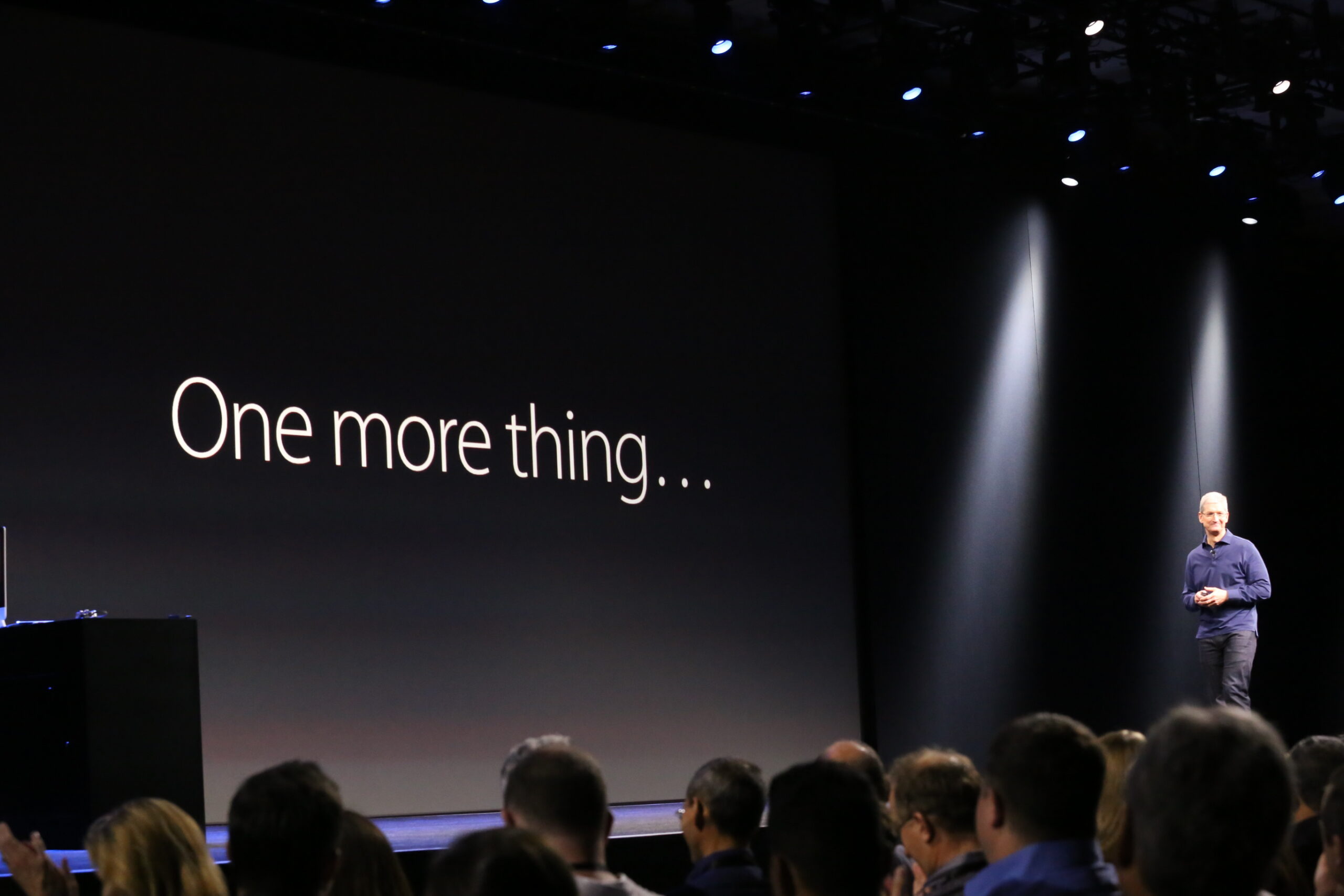
    Apple WWDC 2015 – The beginning of generalization of Apple?

    Apple Music: Apple Music is the most anticipated and biggest announcement. The New App combines Music and iTunes App and is Apple’s aim to take on Spotify and other services. It has the following interesting features:
    Beats1: A Live 24X7 Worldwide Radio Station.
    Connect: Connecting music makers and fans
    For You: Curated content and recommendation engine

    ApplePay: Passport App is upgraded to Wallet and will include loyalty and other cards apart from debit and credit cards. Apple Pay will also come to UK and will work with all major brands. Square is releasing a new card reader for Apple Pay.

    Carplay: The new Carplay will be able to wireless connect to your iPhone. The automakers will now have access to Carplay system and will be able to create apps for Carplay.

    iOS9: The new upgrade promises better battery life, multi-tasking capabilities for iPad users, QuickType facility, better search and a Flipboard inspired App – News.

    OS X El Capitan: The new upgrades includes Spotlight enhancements, new apps and Window management features and Metal API for Games performance.

  • How To Get Your Dream Job? Nina Mufleh Inspires!

    How To Get Your Dream Job? Nina Mufleh Inspires!

    All of us have a dream job !

    All of us have a dream customer !

    All of us have a dream date !

    All of us have a dream project !

    But as the nature of things go, not all dream assignments land up in our lap. Some times we are lucky, but some times we have to work of it. How many times we really work for it? How many times we just give up?

    How many times we can persevere? How many times can we think innovatively?

    Here is a great example. I saw this post on NextShark and could not resist writing a post on it.

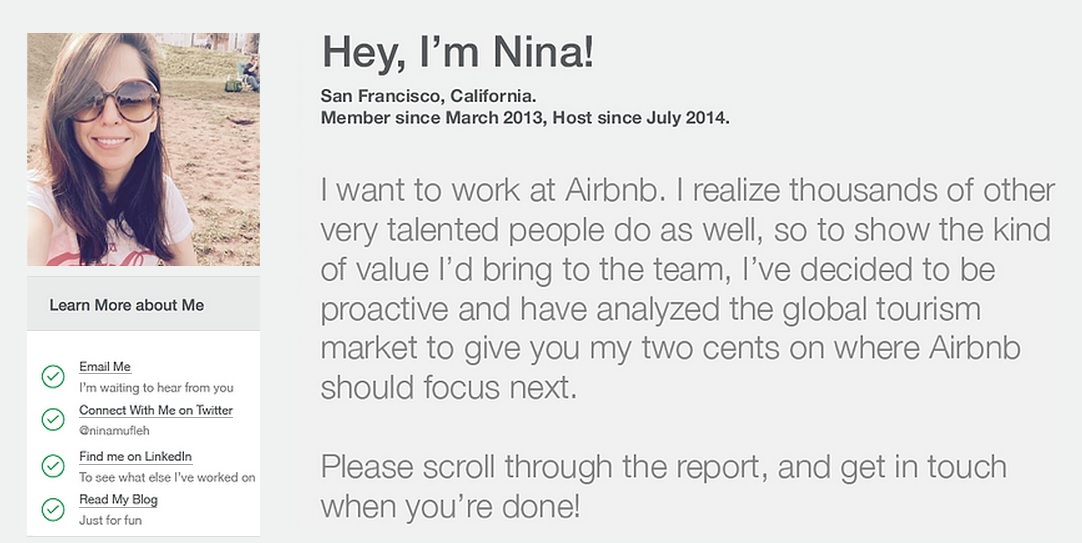
    Nina Mufleh wanted to work for Airbnb. She moved to San Francisco and applied for a job multiple times. She was not successful. 

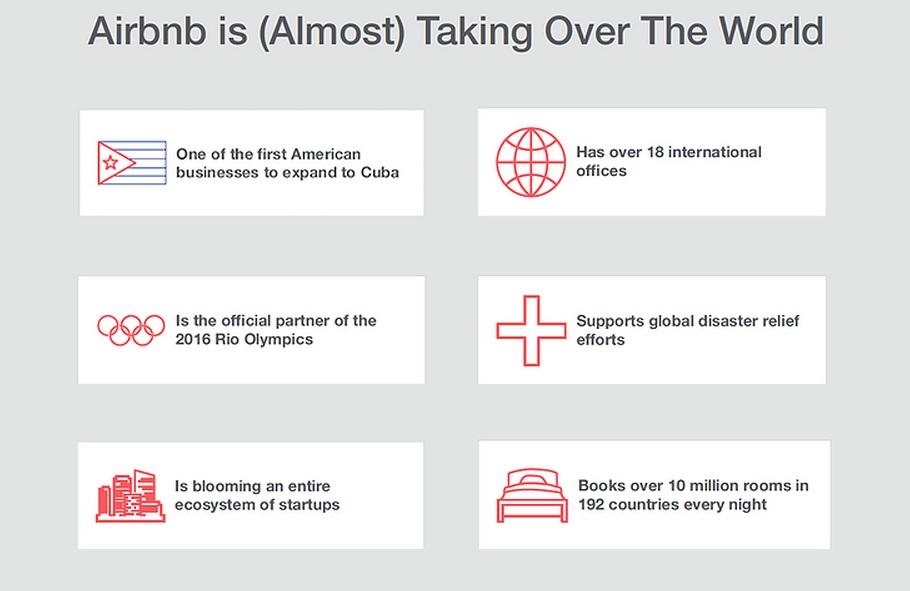
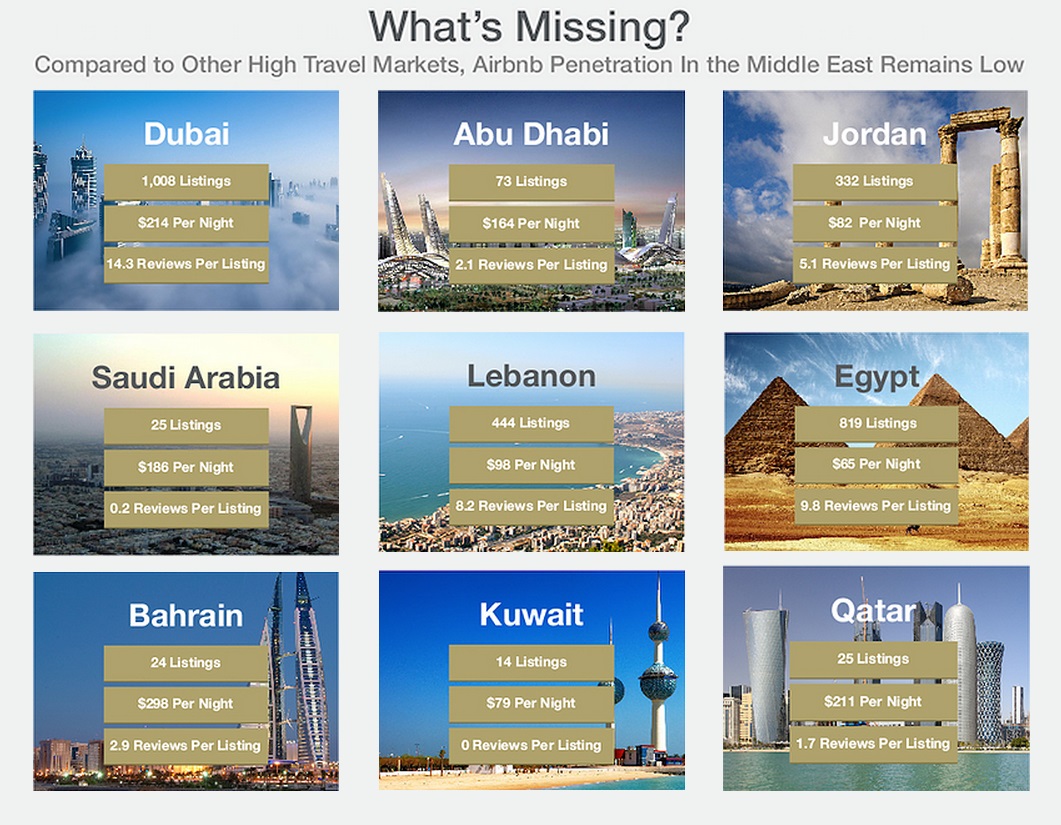
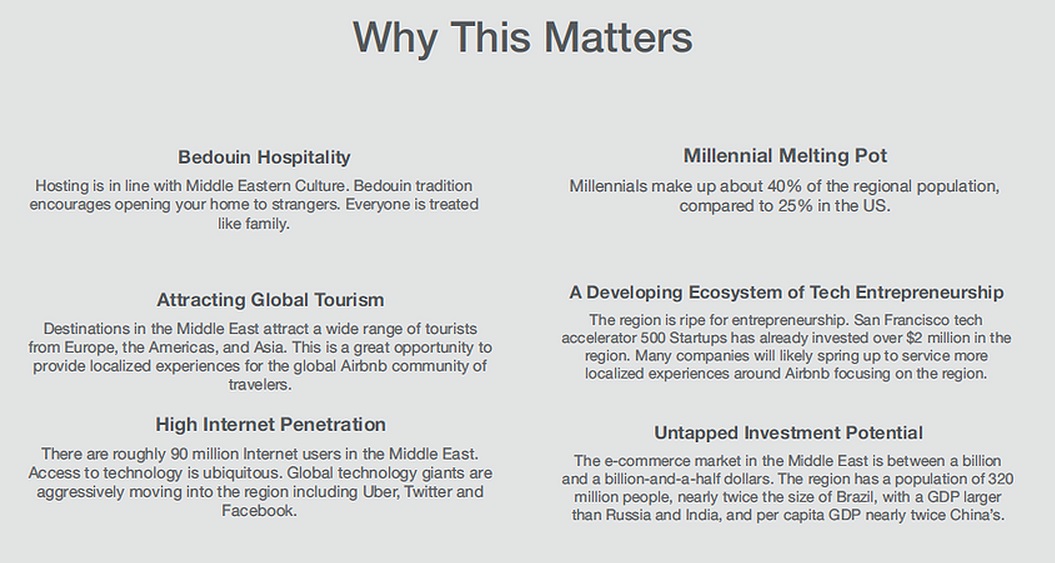
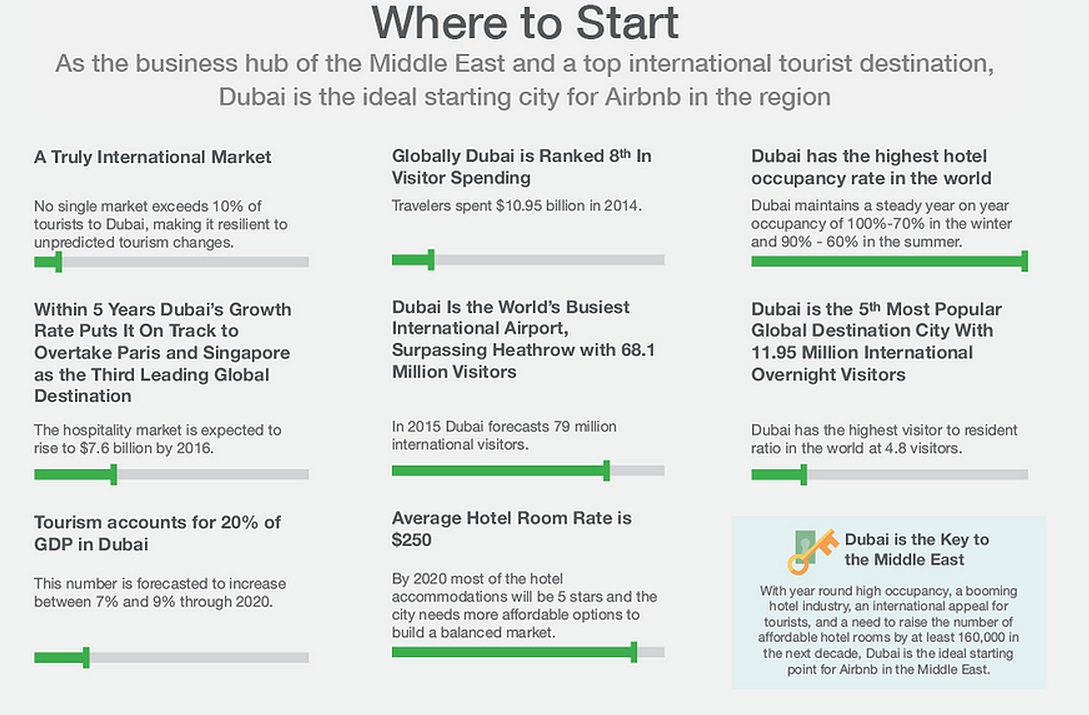
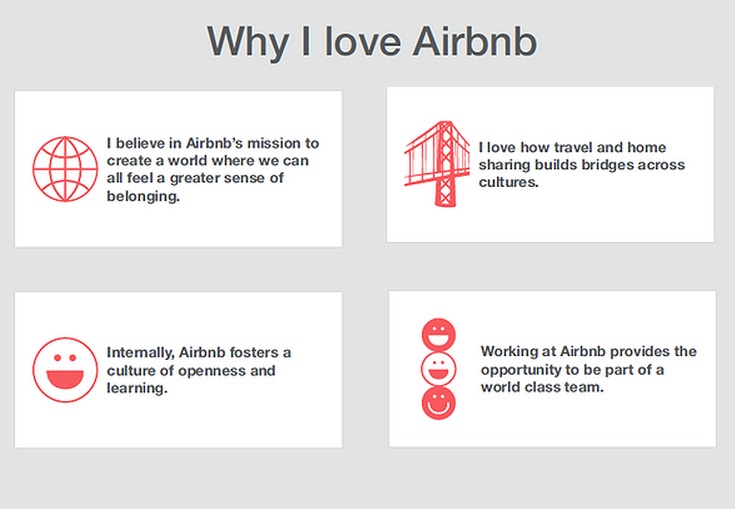
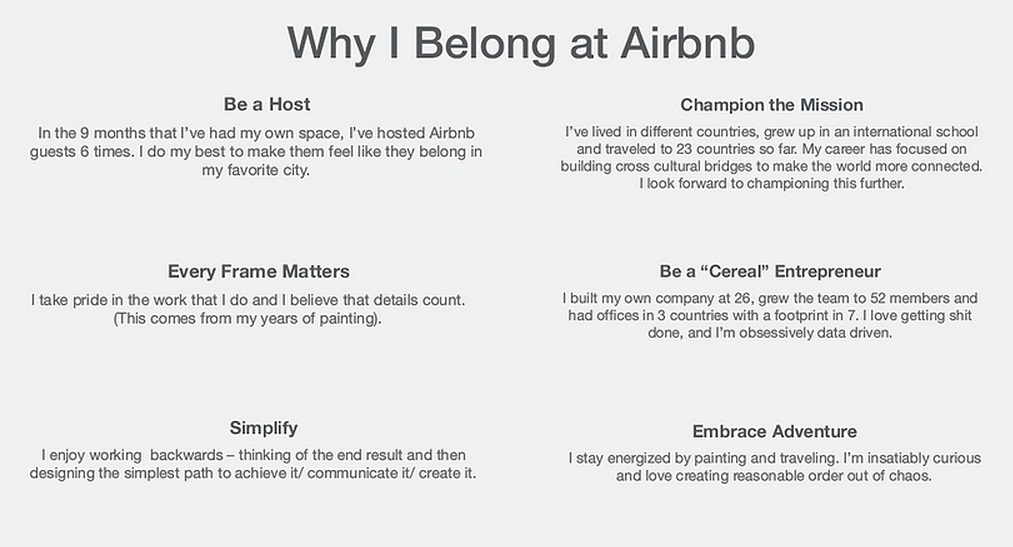
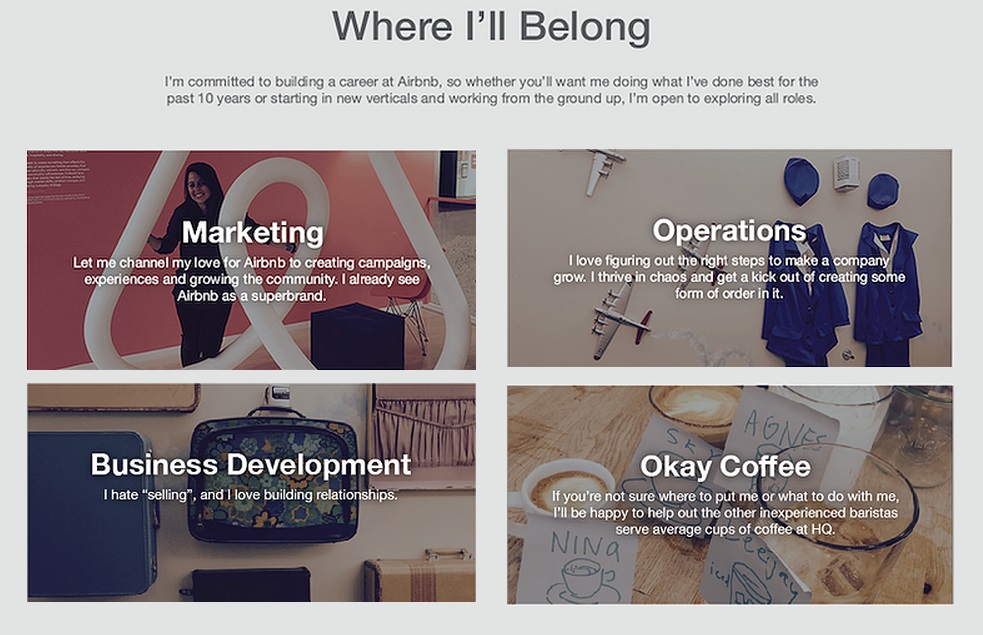
    She worked on an innovative way to get the attention and get her dream job. She created a website called Nina4Airbnb. She posted this on social media and got the attention of Airbnb. Of course, she also got a job.

    Nina inspires us in many ways:

    1. Perseverance – Never take NO for an answer

    2. Innovation – Think Innovatively and get attention

    3. Ideas To Action – Instead of giving up, she found a new way. She put lot of hard and efforts to push her innovative resume / website.

    4. Value – The value proposition was clear. Read each and every word. Including conclusion and humor. She also gave possible ideas. Seeing the website was the proof of all the values she brought to the table. It also showed her creativity, zeal, energy.

    5. Top-Down Approach – She pitched the idea to the top – Airbnb CEO.

    6. Leverage Social Media – She used Social Media to get her message delivered.  Thus she got support of millions of Airbnb fans as well. It would be really difficult for Airbnb to ignore her.

    Nina’s ideas can be used by every sales person trying to get that important meeting with the dream prospect.

    Image Credits: NextShark / Nin4airbnb.

     Nina1 Nina2 Nina3 Nina4 Nina5 Nina6 Nina7 Nina8

    Credit: http://vancouvercitycentreesc.ca/wp-content/uploads/2017/01/dream-job.jpg