Category: Travel & Places

  • Atmantan Diaries: The Transformation

    Atmantan Diaries: The Transformation

    We lost a few kilos and inches over the week. We gained, rather more significantly, a new set of habits, a new perspective on the relationship between what we eat and how we feel, and a growing suspicion that the word ‘wellness’ has been dramatically underselling what is actually possible.

    Some of those changes have already followed us home. Grain-free flours have quietly entered our kitchen. Hibiscus tea has replaced some of our evening beverages. Coconut sugar has found a place on the shelf. Brazilian nuts have become a regular snack. These may seem like small adjustments, but together they represent something larger: Atmantan did not remain in Mulshi. It travelled home with us.

    1. The soul is not optional

    We have built a sophisticated culture of mind improvement — reading, thinking, learning, optimising. We have recently added the body. The soul — the quiet centre beneath both — remains the frontier. Meditation is not supplementary. It is structural.

    2. Food is the most underrated lever

    Not complicated. Not expensive. Not requiring a subscription or a supplement stack. Whole, seasonal, local, organic, eaten at the right time in the right portion. That is the entirety of the framework. The transformation this produces in energy, clarity, and physical feeling is immediate and significant.

    3. 10 pm and 5 am is a complete sentence

    We have been sold the idea that sleep is a sacrifice — time stolen from productivity. It is the reverse. Sleep at 10, rise at 5, and the hours of the morning before the world wakes and demands attention are the most creative, the most clear, and the most genuinely productive hours available.

    4. The body is not a background process

    It is not sufficient to have ambitions for your career, your relationships, your intellect, while treating the body as infrastructure that will simply continue running. We service our cars. We upgrade our devices. The body — the only vehicle that cannot be replaced — deserves at minimum a periodic, honest audit.

    5. Mindfulness compounds

    Attention, practised even briefly, accumulates. A week of watching what I eat, how I move, when I sleep, and what I think about has generated a residue of awareness that is still present months later. The investment continues paying returns well after the billing cycle.

    6. While we transform business with Agentic AI, we must transform self as well

    We live in an era of extraordinary external transformation — technology, markets, organisations, entire industries reshaped in years. The internal equivalent is overdue. Atmantan is, in the most literal sense, a place to bring the self into the same quality of attention we give to everything else.

    The Final Word

    Atmantan is not a vacation. It is a recalibration. It is effortful and sometimes uncomfortable and occasionally — during the LSP, during the abdominal massage, during the meditation session when something you have been carrying simply has enough and lets go — quite confronting. It is also, for all of that, among the most valuable weeks I have spent in recent memory.

    The 42 acres of green valley above Mulshi Lake do something to the nervous system that is difficult to articulate and unnecessary to argue for. You simply feel it, and then you feel the difference when you leave, and then — if you have paid attention — you carry a little of it back into the life that was waiting.

    We lost a few inches and kilograms, as noted. But what we gained — a renewed sense of physical possibility, a different relationship to food, a morning practice, a commitment to earlier sleep, a handful of friendships from unexpected corners of the world, and a profoundly restored sense of calm — is not easily summarised in metrics.

    We spend so much of life transforming businesses, careers, homes, brands and futures. But the most important transformation is still the one within.

    Atmantan gave us seven days to remember that truth.

    And perhaps that is the real luxury of wellness: not escape, not indulgence, not even healing alone — but the possibility of becoming more alive.

    More mindful.

    More balanced.

    More whole.

  • Atmantan Diaries: Discovering Food & Friends

    Atmantan Diaries: Discovering Food & Friends

    The Atmantan Food: Michelin Precision. Masterchef Magic. Mindful Medicine

    Let food be thy medicine

    Atmantan’s food programme is built on the Hippocratic principle — and executes it with the rigour of a Michelin kitchen and the humility of an organic farm. It was, quite simply, the most significant discovery of the week.

    • The Source: An organic farm on the estate itself, supplemented by local, seasonal produce. Farm-to-table is not a slogan here — it is the actual infrastructure. What grows this morning, you eat this afternoon. 
    • The Prescription: Your plate is a continuation of your medical consultation. The kitchen receives your dietary parameters from the doctor. What you eat is indistinguishable from treatment.
    • The Philosophy: Pure vegetarian, sattvic, alkaline. Richest natural source of phytonutrients, polyphenols, and antioxidants. Vegetarians carry lower inflammatory markers and longer life expectancy. The food makes the case without argument.      
    • The Technique: Natural sweeteners only: honey, jaggery, fruit juice, coconut flower syrup. Himalayan pink salt exclusively. No white sugar. No refined flour. No chemical additives. The taste arrives through real ingredients.


    What We Actually Ate

    The food was not austere. It was abundant in a precise way — plated with a chef’s eye, varied across the seven days, and calibrated so that portions matched actual need rather than habit. (The revelation that one has been eating roughly double one’s genuine requirement arrives quietly, without judgment, after day three.)

    Breakfast began with morning shots — turmeric, amla, wheatgrass — followed by smoothies. The Kale-Spinach-Date smoothie was a personal revelation: something that sounds like punishment and tastes like a decision you’ll be proud of. Chia seed fruit bowls, grain-free idli, and fresh fruit rounded out the morning.

    Lunch was the main event: soups, salads dressed with cold-pressed oil and herbs, grain-free rotis made from banana stem flour and cassava, vegetable curries stripped of excess masala and oil. Desserts for those whose plans permitted: carrot kheer, chana kheer, date cake — all made with natural sweeteners, all genuinely delicious. On the last day but one we also got to celebrate with a grain-free pizza!

    Dinner was lighter: lentil soups, carrot-orange soup (which sounds wrong and is extraordinary), broths, and clean main courses. Water was served in measured amounts — a small but pointed lesson about over-consuming water with meals and diluting digestive enzymes in the process.

    There are 110 juice combinations and 30 shot variants available. I did not try all of them. But I tried enough to conclude that wellness food has been liberated from its own mythology. The question is no longer whether it can taste good. It demonstrably can.

    We often think transformation requires deprivation. Atmantan reminded me that transformation can also be delicious.

    Perhaps the most surprising outcome was what I stopped consuming. I spent eight consecutive days without tea — no small achievement for someone who considers ginger chai one of life’s great inventions. By the third day, I had stopped missing it. By the seventh, I had stopped thinking about it. The body, it turns out, can be surprisingly adaptable when given the chance.

    The Cooking Class

    One afternoon, the kitchen opened to guests in the Soulful Spoon studio. A live demonstration covered the cuisine philosophy, sourcing principles, and the surprisingly creative substitutions Atmantan employs to make healthy food both nutritious and genuinely enjoyable. We learnt to prepare a carrot-orange soup, a grain-free kofta made using watermelon seeds, and a cassava roti. The session felt less like a cooking class and more like an invitation to rethink everything we assume about healthy eating. We were encouraged to taste at every stage, understand the reasoning behind each ingredient, and carry the ideas home with us.

    The Atmantan Tribe – The People Who Make It Real

    A wellness retreat is ultimately a human institution. The architecture, the views, the programme design — these set the stage. What fills it is people: the staff who show up with knowledge and warmth in equal measure, and the guests who bring their particular wounds and curiosities and become, over seven days, something like community.

    The Atmantan Team

    Atmantan’s team is drawn from across India — Kerala, the Northeast, Maharashtra, Odisha, West Bengal, Madhya Pradesh. Brief conversations between treatments yielded fragments of remarkable life stories. These are people who chose this work, and it shows in how they do it.

    1. Dr. Navya – Consulting Physician

    Patient, rigorous, and genuinely curious about each guest as a medical case worth understanding. The week’s anchor.

    2. Rahul, Amresh, Siddhi, Vandana, Abhishek – Yoga & Fitness

    Practitioners with deep, practical knowledge who could simultaneously correct your Warrior II and explain the neurological logic behind Pranayama.

    3. Pragati & Biswajit – Wellness Coordination

    The infrastructure that made the plan work day to day. When therapies collided in the schedule, they resolved it quietly, without fuss.

    4. Asha – Dining Coordination

    The face of Atmantan. Three times a day, without fail, the most energising human presence in the building. Guests didn’t walk to lunch — they walked to Asha. Her warmth was not performed hospitality. It was the real thing.

    5. Amrit, Agnes, Ankita, Amber, Mohasin, Krishna – Kitchen & Dining

    Fed us like Goddess Annapurna — with smiles, care, and the occasional firmly enforced dietary boundary when we attempted to negotiate our way to chai-pakoda during the rains. Neither our emotional appeals nor alternative proposals could move them!

    The Atmantan Guests

    The Atmantan guest mix is not what the wellness-retreat stereotype might suggest. Yes, there were middle-aged professionals seeking lifestyle recalibration. But there were also young people — eighteen to twenty-two years old — who had made a deliberate, self-directed choice to invest a week in their long-term health before life’s pressures compounded.

    An Ivy League student traded notes on therapies with a fintech entrepreneur. The senior government official exchanged notes with a Gujarati businessman.

    Atmantan guests came from all over the world – Chile, Malaysia, Dubai, Europe, USA etc. We exchanged stories on Atmantan, work, and overall life. Apart from global citizens, there was a big group from The United States of Ahmedabad – Panjrapole, Vastrapur, Satellite, Navrangpura etc. There is a clear case for Atmantan 2.0 in Ahmedabad or near Ahmedabad.

    The digital detox — strictly enforced, no network in common areas or restaurants — compressed the usual social performance and opened something more honest underneath. Instead of connecting with a tribe of influencers, you connect with strangers who, by day four, feel like old friends

    NEXT: Part 4  —  The Transformation

  • Atmantan Diaries: The Timeless Therapies & Trek

    Atmantan Diaries: The Timeless Therapies & Trek

    The Atmantan Method: Therapies & Activities

    Atmantan does not offer a menu of generic spa services with vaguely Sanskrit names. Its practitioners — many from Kerala, others from the Northeast, Maharashtra, Bengal, Odisha — carry knowledge and technique that can be immediately distinguished from the decorative massages of a five-star hotel. You feel the difference within minutes.

    We experienced the following therapies and activities:

    1. The Morning Yogic Kriyas

    Each day opened with Yogic Kriyas — a systematic cleansing sequence rooted in Hatha Yoga. Neti: warm saline water flowing in through one nostril and clearing through the other, purifying the sinus passages. Gargling: deep-throat cleansing that most of us have never done properly. Eye exercises: thirty rapid blinks, followed by six deliberate rotations in each direction — left, right, up, down, clockwise, counter-clockwise — reactivating the ocular muscles grown lazy under fluorescent light and screen glare.

    It sounds clinical in description. In practice, especially at six in the morning with mist on the valley below, it felt like an act of genuine self-regard — the deliberate care of a body one has perhaps been taking for granted.

    2.  Laghu Shankha Prakshalana — The Great Internal Rinse

    LSP is one of the more extraordinary experiences available to the guest willing to surrender ego for approximately ninety minutes. The name comes from Sanskrit: shankha — the conch shell, referring to the entire alimentary canal from mouth to anus — and prakshalana — to wash completely. It is exactly that.

    The practice: warm saline water consumed in measured rounds of two glasses, interspersed with five specific yoga asanas that mechanically move the water through the digestive tract. Round after round, the process continues. The body begins to release — solid waste first, then progressively clearer, until what emerges is essentially the clean water you drank, signalling a genuinely emptied and flushed gastrointestinal system. One returns to the room afterwards and eats, as prescribed, a plain moong dal khichdi with a touch of ghee — a meal that lands like a blessing in a body that has just, perhaps for the first time in years, been completely clean inside.

    LSP can be practised once every one to three months. We intend to make it an annual ritual — and are quietly planning to introduce our children to it under proper guidance.

    3. Massages — The Art That Will Not Be Taken Away By AI

    Atmantan’s therapists operate on a different register from any spa massage I have experienced. These are practitioners who use not just their hands but their forearms, elbows, and body weight — redistributing energy rather than simply applying pressure. Each therapy comes with a verbal brief: what it does, why it has been prescribed for you, what to expect.

    The Green Tea Scrub lifts dead skin and awakens circulation, leaving the skin with an improbable smoothness.

    Manual Lymphatic Drainage — through light, rhythmic strokes following the lymphatic pathways — restores flow to a system congested by travel, desk work, and stress.

    The Signature Atmantan Massage uses warm basalt stones alongside oils specific to the season; the stones allow the therapist to work at a depth impossible with hands alone.

    Udwarthanam — a two-therapist Ayurvedic treatment of simultaneous upward massage with warm herbal paste — is both exfoliating and deeply stimulating.

    The Chi Nei Tsang (Abdominal Massage) devotes fifty focused minutes to the gut: confronting and liberating in equal measure, releasing not just physical tightness but, for many guests, something more layered and harder to name.

    4. Fitness – Moving The Body — Multiple Ways To Sweat

    Daily group activities include Pilates, Aqua Aerobics, Yoga, Zumba, Bollywood Dance, Pranayama, and Laughter Therapy — a session which initially produces self-conscious, performative laughter and then, surprisingly, genuine laughter, which seems to be the point.

    Bollywood Dance deserves a special mention. Forty-five minutes disappeared in what felt like five. Somewhere between awesome choreography, enthusiastic participation, and a soundtrack that refused to let anyone remain serious, fitness quietly disguised itself as joy. It was one of the few workouts I wished had lasted longer.

    The highlight was Neuro Reactive Training — a methodology built on dynamic, unpredictable stimulus-response sequences that challenge the brain and the body simultaneously. Eight stations, one minute each: strength, reflexes, balance, coordination, explosiveness — all demanded in rapid succession. After years of repetitive gym routines, this was the most genuinely stimulating physical experience I can recall. The adrenaline was real. I was grinning uncontrollably by station five.

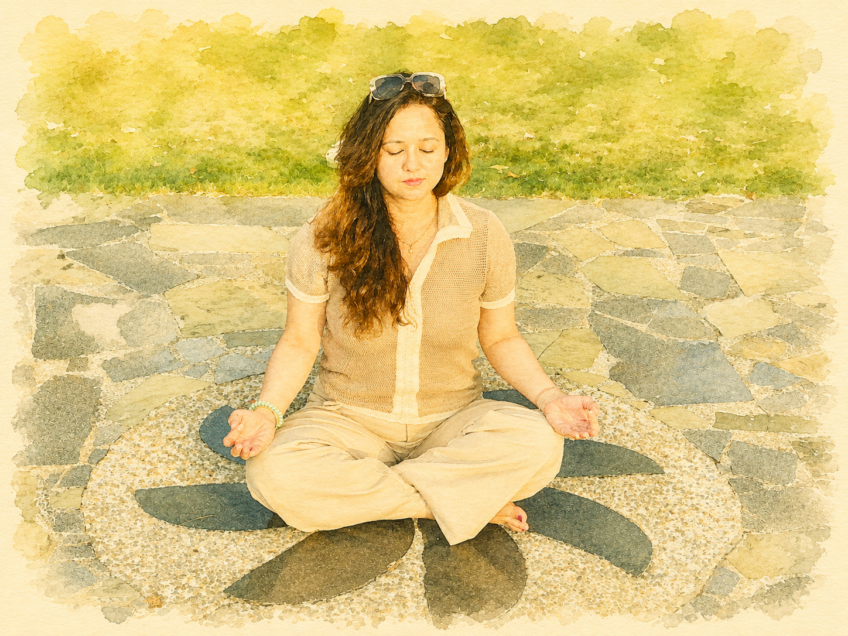
    5. The Daily Meditation – Sitting With The Soul

    Every evening, after the body had been stretched, pressed, challenged and nourished, the soul was invited into the conversation.

    We experienced meditation sessions that spanned multiple modalities: Twin Heart Meditation (moving attention through the heart centre and crown before radiating compassion outward), Chakra Meditation, Trataka (candle-gazing, one of the classical concentration practices of Hatha Yoga), and Omkar — the resonant, sustained intoning of Om that one dismisses as cliché until one actually does it properly and feels the vibration move through the chest cavity and into the skull.

    Some were familiar. Some were new. All of them created pauses.

    I realized something simple: I have spent much of my life sharpening the mind. In recent years, like many of us, I have also become more conscious of the body. But the soul — that quiet, luminous, inner dimension — often gets leftover attention. No popular metric tracks it. No biometric captures its state. And yet its neglect is quietly felt everywhere.

    Atmantan gently restores the triangle.

    Body. Mind. Soul.

    Not as a slogan. As a lived sequence.

    6. The Sahyadri Trek — Where The Mountain Becomes The Medicine

    On Sunday morning, after kriyas, twenty-some guests from Chile, Malaysia, Dubai, the United States, Europe, and several postcodes of Ahmedabad assembled for a trek into the Sahyadri range. The hill was steep; the reward, comprehensive.

    At the summit, a small Ganesh temple. We stopped. The sky delivered a brief, perfect rain — just a few minutes of cool drizzle, as though on schedule. We ate slices of apple and pear and shared, in the way people do when they have just climbed something together, more of our lives than we would have at sea level. The descent was quicker. Conversations went deeper. The group — engineers, students, government officials, entrepreneurs, Ivy League graduates — had, for this hour, the same muddy shoes and the same enormous view.

    7. Grounding — The Oldest Medicine

    There is, in the Atmantan grounds, a dedicated barefoot walking path. Guests are gently invited — not instructed — to use it in the early morning.

    The practice is called Earthing, or Grounding. When bare skin contacts the Earth’s surface — grass, soil, wet stone — a transfer of electrons occurs. The Earth carries a net negative charge; the human body, perpetually exposed to electromagnetic radiation from devices and artificial lighting, tends to accumulate a net positive charge. Direct skin contact with the Earth neutralises this imbalance, restoring the body’s electrical baseline to something close to its evolutionary norm.

    The benefits documented in the peer-reviewed literature include reduction in systemic inflammation, improved blood viscosity, better glucose regulation, enhanced sleep, and reduced cortisol. These are not trivial effects from a trivial cause.

    Our Indian customs always said: remove your shoes at the temple, at the school, entering the home. We dismissed this as ritual. It turns out it was also physiology. The ancients, working by inference and observation across millennia, had arrived at the correct answer.

    I walked barefoot on the grass every morning. By day seven, I was doing it before breakfast without thinking about it. That, I have come to believe, is how the best of what Atmantan teaches actually travels home — not as a resolved intention, but as a new habit so quietly embedded it has already stopped feeling like effort.

    Digital Detox: Watching Nature Instead of Reels

    One of the most powerful therapies at Atmantan is not listed as a therapy.

    Disconnection.

    There was limited connectivity in common areas. Wi-Fi was mostly functional in the rooms. This changed the energy of the stay. Restaurants became places of conversation. Walkways became spaces of observation. Mornings became softer. Nights became quieter.

    Instead of watching AI-manufactured reels, we watched the play of nature.

    Instead of scrolling through other people’s lives, we listened to our own.

    I rediscovered the joy of reading a book while the breeze and sunshine sat beside me like old friends. I remembered that boredom is not an enemy. It is often the doorway through which reflection enters.

    NEXT: Part 3  —  The Food & The Atmantan Tribe
  • Atmantan Diaries: The Art Of Aliveness

    Atmantan Diaries: The Art Of Aliveness

    .We Arrived Hoping to Improve Our Health. We Left with a Different Definition of Wealth.

    Over the years, we have crossed many borders chasing sunsets, skylines, stories, and the occasional version of ourselves. This summer, we chose a different kind of expedition — inward. Not to a foreign shore, but to a quiet valley in the Sahyadris where the prescription for living well is written not in itineraries, but in rhythms.

    Five Truths That Seven Days Burned Into Me

    Before I tell you about the place, let me tell you what I brought home from it. These are the five things I now know that I did not know before:

    1.  The Holy Trinity:

    Soul, mind, and body are not departments in a building — they are one ecosystem. Neglect any corner and the whole suffers.

    2.  Food is Medicine:

    Simple, conscious ingredients — eaten in the right portion, at the right hour — have a pharmacological power we have cheerfully surrendered to processed shortcuts.

    3.  Rhythm Over Resolution:

    Sleeping at 10 and rising at 5 is not discipline — it is alignment. The body already knows what to do. Our job is to stop arguing with it.

    4.  Mindfulness Compounds:

    Awareness, once practised even briefly, accumulates. A week of attention to breath, posture, and plate changes what follows you home.

    5.  The Body Counts:

    We train our minds relentlessly and admire our balance sheets. The body — the only vehicle we cannot trade in — often gets a car-service appointment once a decade.

    Where the Sahyadris Meet the Self

    There are journeys that take us across oceans. There are journeys that take us across mountains. And then there are journeys that travel a far greater distance—the journey from the head back to the self.

    Over the years, I have wandered through more than sixty-five countries. I have watched the Northern Lights dance across Arctic skies, admired Gothic cathedrals in Europe, stood before ancient ruins, explored bustling cities and quiet villages, and collected enough passport stamps to fill several lifetimes of stories.

    Travel has always been one of my greatest teachers. Yet this summer, we chose a destination unlike any we had visited before.

    Instead of exploring another country, we decided to explore ourselves. Instead of seeking new landscapes, we sought a new perspective. Instead of visiting foreign shores, we embarked on a journey inward.

    That decision brought us to Atmantan.

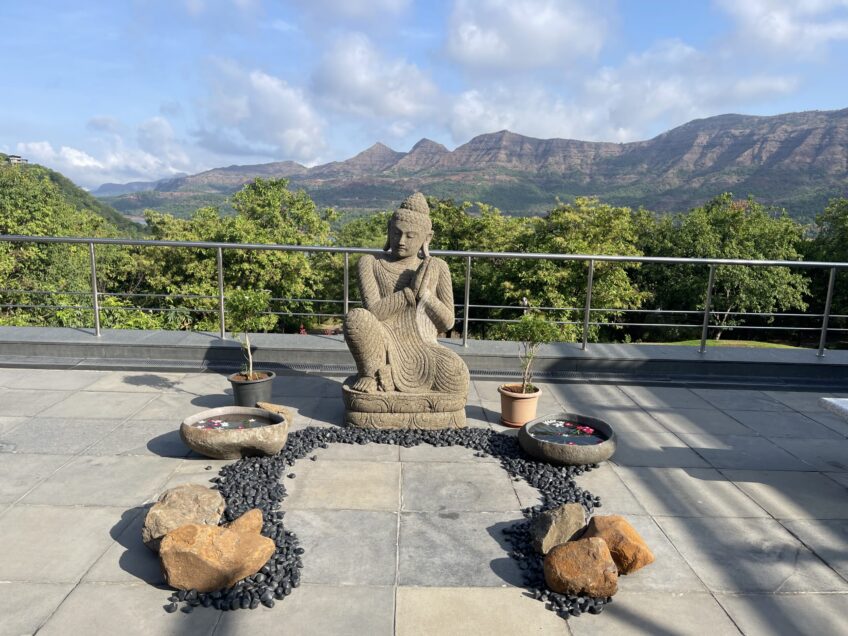
    Nestled in the crystalline hills above Mulshi Lake, Atmantan is not a spa. It is not a hotel. It is not a resort in the way that word has been softened by Instagram. It is a considered, medically structured environment designed to make you uncomfortable in all the right ways — and then deeply, lastingly well.

    The name itself is a compass. Atma — soul. Mana — mind. Tann — body. The centre spans 36 acres of the Sahyadri range — recognised as one of the world’s eight hottest hotspots of biological diversity — overlooking the blue-green expanse of Mulshi Lake. The air here carries the scent of jamun and wet laterite. The light, filtered through the valley mist, arrives gently, even in summer.

    “I had braced myself for the usual wellness-retreat food — the steamed, the beige, the vaguely punitive. The bitter kadhas and punishing vegetables that haunted many Indian childhoods. What arrived was a Michelin moment: vivid, precise, layered with flavour.”

    The property rewards wandering: two salt-water pools, a Pilates studio, dedicated yoga pavilions, therapy suites, a barefoot walking garden where the earth beneath your feet is part of the prescription, and an organic farm from which a significant portion of what you eat tomorrow was growing this morning.

    Across the property, thoughtfully placed stations offered fruit- and herb-infused water. Every detail seemed intentional — glasses neatly arranged on coasters, replenishment appearing before it was needed. It reflected a broader truth about Atmantan: wellness here was not an activity. It was a design philosophy.

    A Day at Atmantan

    The day here has a rhythm. The rhythm grounds everything else.

    6:00 am  —  Yogic Kriyas

    6:30 am  —  Barefoot Walk / Hiking

    7:00 am  —  Morning Yoga & Pranayama

    8:00 am  —  Breakfast

    10:00 am  —  Therapy / Fitness Activity

    1:00 pm  —  Lunch

    3:30 pm  —  Health Talk

    5:00 pm  —  Therapy / Evening Yoga

    6:15 pm  —  Meditation

    7:00 pm  —  Dinner

    10:00 pm  —  Sleep

    It sounds simple. It is not. Because modern life has made simplicity very difficult.

    Medicine Meets Mindfulness

    Every guest at Atmantan begins with a doctor. Dr. Navya sat with us on Day One, having already reviewed our pre-submitted health reports. She asked the kind of questions a good physician asks: not the ones on the intake form, but the ones beneath them.

    The output of that first consultation was a week-long, personalised wellness plan — a schedule that interwove specific therapies, a customised diet plan (transmitted directly to the kitchen), daily fitness sessions, and the particular yogic kriyas most relevant to our constitution. A Body Composition Analysis followed, and its data was fed back into the plan to sharpen it further.

    A Physiotherapist evaluated our posture, movement patterns, and musculoskeletal health — providing a written assessment and corrective exercises that were both humbling and useful.

    Dr. Navya checked in regularly through the week. By the final morning, she presented a progress report, a two-week diet plan for home, and long-range health recommendations. She even shared recipes. This was not wellness as amenity — this was healthcare as hospitality.

    The guests we met came for vastly different reasons. Some sought weight management. Others, detoxification, Ayurvedic Panchakarma, post-illness recovery, or yoga immersion. Several were veterans — on their fifth or sixth visit — who had built Atmantan into an annual rhythm, the way one services a complex machine.

    That was indeed a thought worth sitting with – We service our cars religiously. The body? Maybe once in forty years, if the engine light comes on.

    NEXT: Part 2  —  The Body : The Art That Will Not Be Taken Away by AI

  • Palitana Diaries: 3,500 Steps. Four Friends. One Journey Within.

    Palitana Diaries: 3,500 Steps. Four Friends. One Journey Within.

    Can Boys’ Road Trips Be Spiritual Yet Special? Showcasing snapshots from our journey to Palitana — the world’s only vegetarian city.

    Some journeys are measured in kilometers. Ours are measured in conversations, laughter, silence… and something deeper.

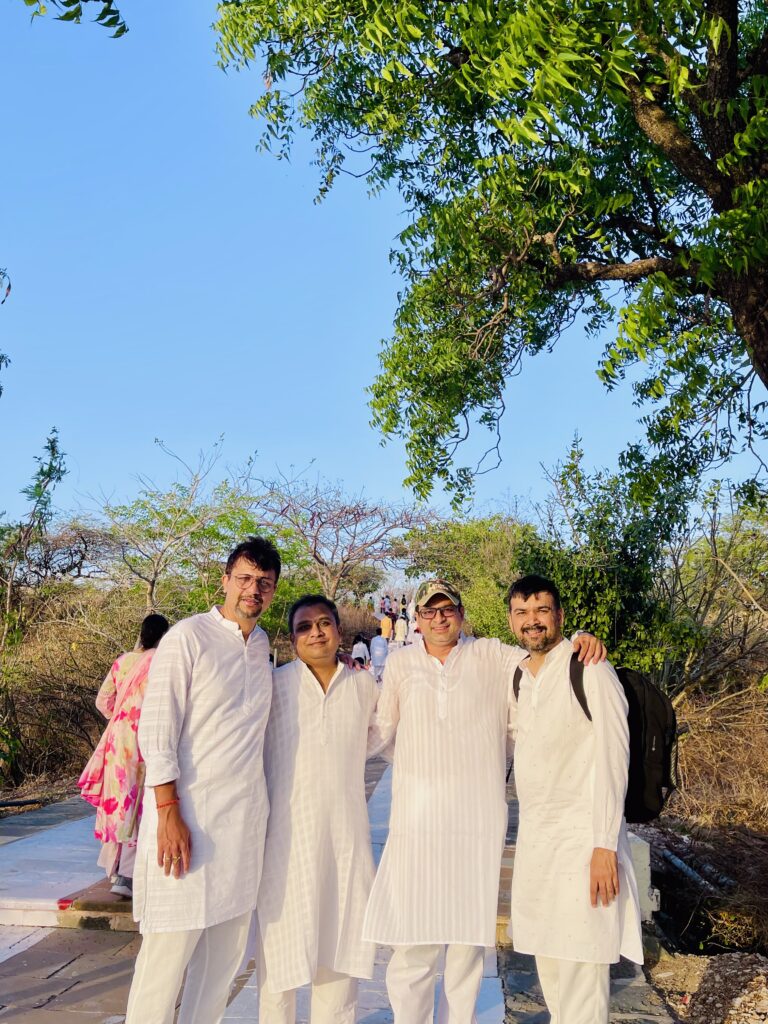
    The fabulous four—a quartet bound by friendship since our college days—have a tradition. Every few years, we escape. Not to luxury, not to indulgence. But to something far more grounding—spiritual sojourns.

    Our budget-tight, no-frills pilgrimage trips first taught us that the best memories rarely come from five-star hotels and world-class resorts. They come from shared rooms, from discussions over the dinner options, from quiet moments in temple courtyards — and from the friends who keep showing up, decade after decade.—these journeys have stayed with us longer than any designer experience ever could.

    The Road That Brings You Back

    This time, it began with a simple thought. Chi Chi expressed a desire to visit Palitana. Nayan turned intent into action—in days. Pratik enthused the group with his sporting spirit. A spontaneous plan. A familiar rhythm

    We rolled out on Saturday afternoon, fueled by a leisurely Agashiye Gujarati thali and the kind of optimism that only a 200+ km drive ahead can bring. The Ahmedabad–Dholera Expressway is a revelation — smooth, scenic, and a quiet testament to how fast Gujarat is reshaping itself.

    For us, though, distance has never been measured in kilometres. It’s measured in Raaz songs sung loudly and badly, in stories retold for the hundredth time, in debates about politics. By the time we pulled into Palitana, the journey had already done half its work.

    Palitana — Where Stillness Speaks

    Palitana is not just a destination. It is an divine experience. Words cannot describe the spiritual bliss. 

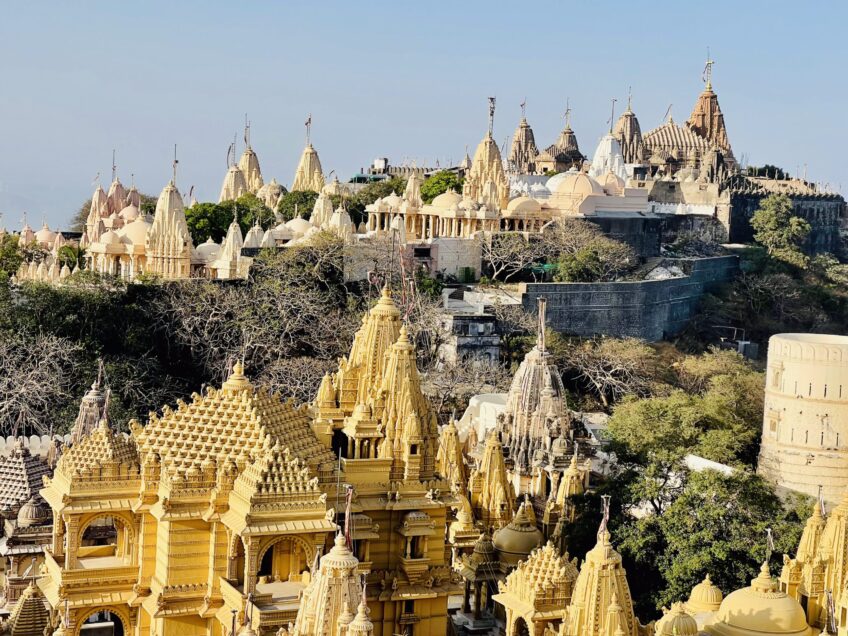
    Located in Gujarat’s Bhavnagar district, it is home to the world’s largest Jain temple complex—over 900 temples atop the sacred Shatrunjaya Hill. A city where vegetarianism is not a choice—it is a way of life. A place where even the air feels quieter, more aware. The pilgrimage’s flagship temple is dedicated to Rishabhdev, the first Tirthankara. 

    We arrived in the evening, had a meal before sunset, and made our way to the Shatrunjay river for the aarti — a quieter cousin of the Ganga Aarti, but no less moving. Shatrunjay Aarti was special —soft flames, rhythmic chants, and a sense of surrender that words rarely capture. 

    Then came the part I love most about these trips: wandering through a small town as it winds down for the night. Something about these places — the unhurried streets, the familiar smells, the easy nods between strangers — that no big city can imitate.

    The next morning began at 4 am and we started our ascent at 5 am. Over 3,000 steps lay between us and the summit. We drank no water until 7:30; Nayan, ever the disciplined one, had none at all. The body tires. The mind negotiates. But somewhere along the climb… something shifts. And then you arrive.

    At the top—amidst white marble temples, carved devotion, and centuries of faith—there is a moment.

    A pause. A presence. A feeling that you didn’t come here alone… you were called.

    Darshan. Pooja. Gratitude.

    Some experiences are not meant to be explained. Only felt.

    I felt blessed simply to be there.

    The descent was tougher. The sun harsher. The heat relentless. By the time we reached down, exhaustion had quietly set in. 

    And then we saw them. Young kids. On a mission to climb the hill 108 times in 30 days. Suddenly, fatigue felt… small. Perspective has a strange way of finding you when you need it most.

    We reached and were welcome back with refreshing fennel seed jaggery water and simple food to re-energize us. We took a bath and rested for a while. 

    By evening, we were back exploring the town: Mehta’s famous pendas, gulkand sweet enough to slow you down, and Palitana’s own version of Jain bhel — no onion, no garlic, all flavour. And after a quick South Indian dinner, we commenced our return journey to Ahmedabad.

    Bonding Beyond Bandwidth

    As we recollected the spiritual bliss and small town beauty, we knew what was the real highlight. 

    Us.

    We talked till 1 am that first night. Despite the long drive. Despite the early start the next morning. Because some conversations only happen face to face — not on Zoom calls, not in WhatsApp groups, not in the five-minute “how are you doing” check-ins that pass for friendship in adult life.

    We teased each other like we were twenty again. We debated Diwali market predictions and what life might look like beyond it. We got philosophical at hours when we should have been sleeping. And somewhere between the climb, the chai, and the laughter, the trip stopped being about Palitana and became about us.

    Because friendship doesn’t need an agenda. It just needs time.

    So… Can Boys’ Road Trips Be Spiritual Yet Special?

    Yes.

    They can be chaotic and calming. Loud and deeply silent. Fun… and profoundly spiritual. 

    They can be silly. They can be both at once. And every now and then, they remind you why some friendships are worth driving 200 kilometres — and climbing 3,000 steps — for.

    Because spirituality is not always found in isolation. Sometimes, it is found—

    In shared climbs.

    In tired smiles.

    In inside jokes.

    In journeys that take you back… to yourself.

    #RoadTripDiaries #Palitana #SpiritualJourney #FriendshipGoals #SoulfulTravel #IncredibleIndia #GujaratTourism #Shatrunjaya #BoysTrip #TravelWithPurpose #MomentsThatMatter #Soulware #AshWrites

  • A Walk For A Cause, Wellness & Happiness!

    A Walk For A Cause, Wellness & Happiness!

    A Walk For Cause!

    A Walk For Wellness!

    A Walk For Happiness!

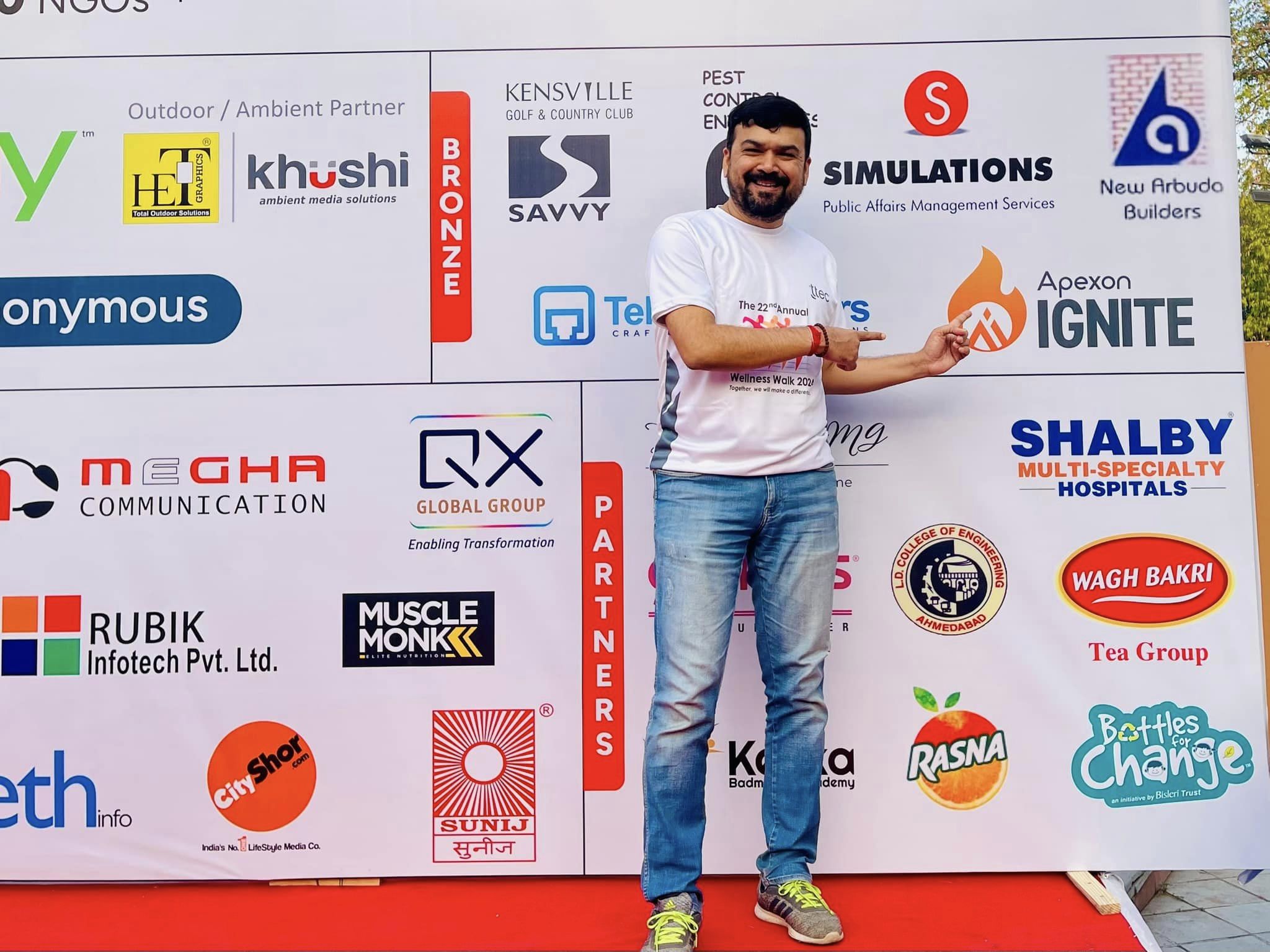
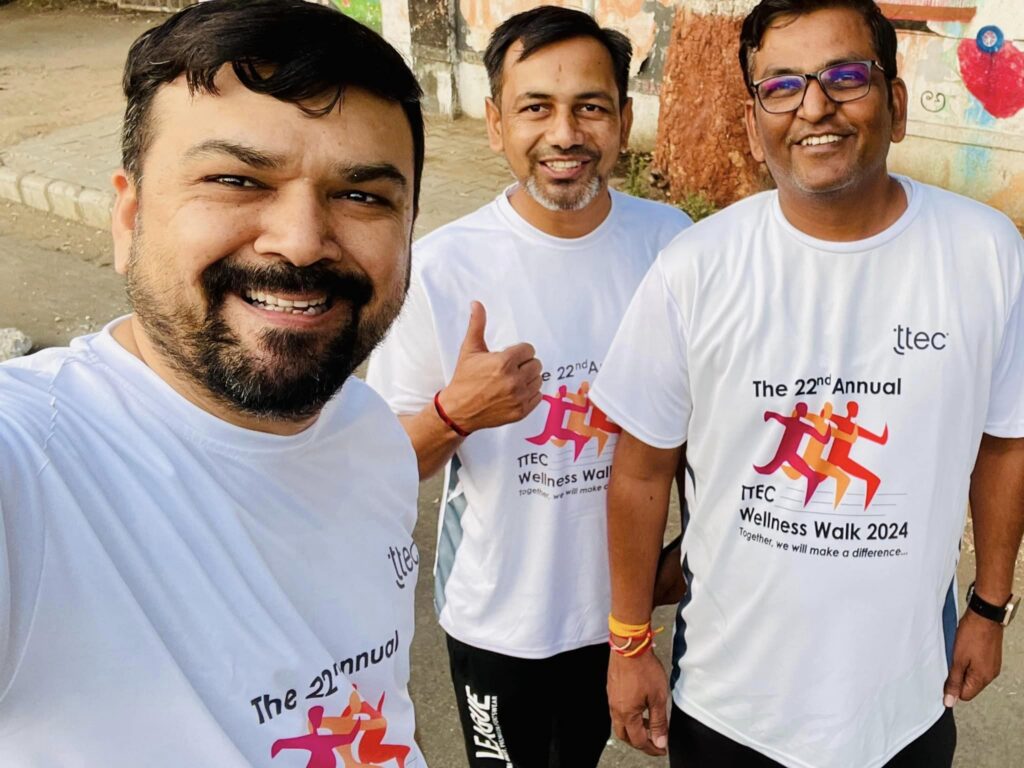
    Happy to walk for the 22nd Annual TTEC Wellness Walk – the annual event of supporting social causes, promoting wellness and celebrating goodness!

    Love the energy and vibes emerging from great participation, live music, cheer leaders and of course, impromptu garba!

    Special cheers to our dear friend Kaushal and Parul Mehta, TTEC Team and volunteers!

    Apexon Ignite is happy to be the consistent proud sponsor of the great cause!

  • Wow @ Vav – The Musical Water Festival At Adalaj Ni Vav

    Wow @ Vav – The Musical Water Festival At Adalaj Ni Vav

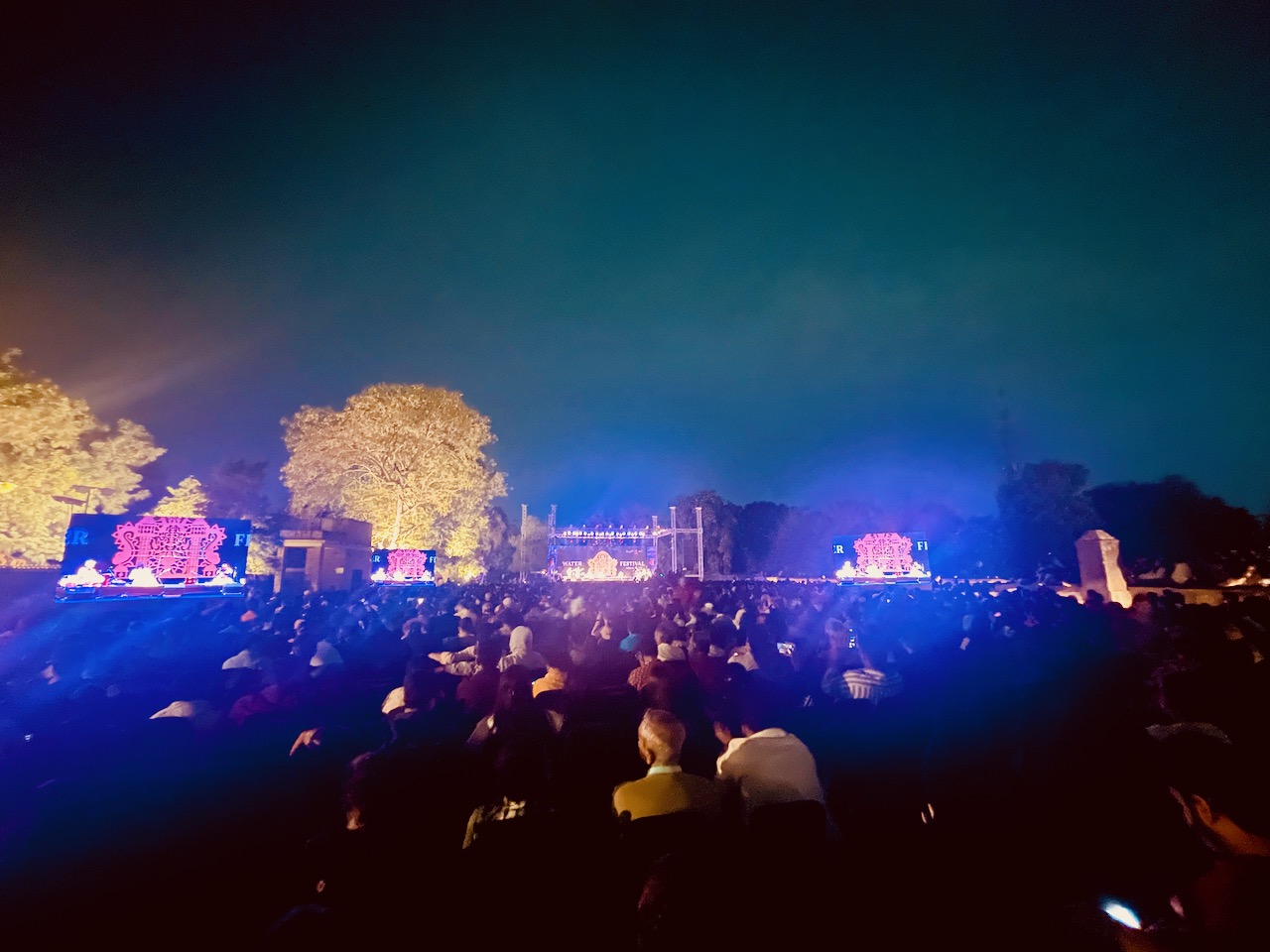
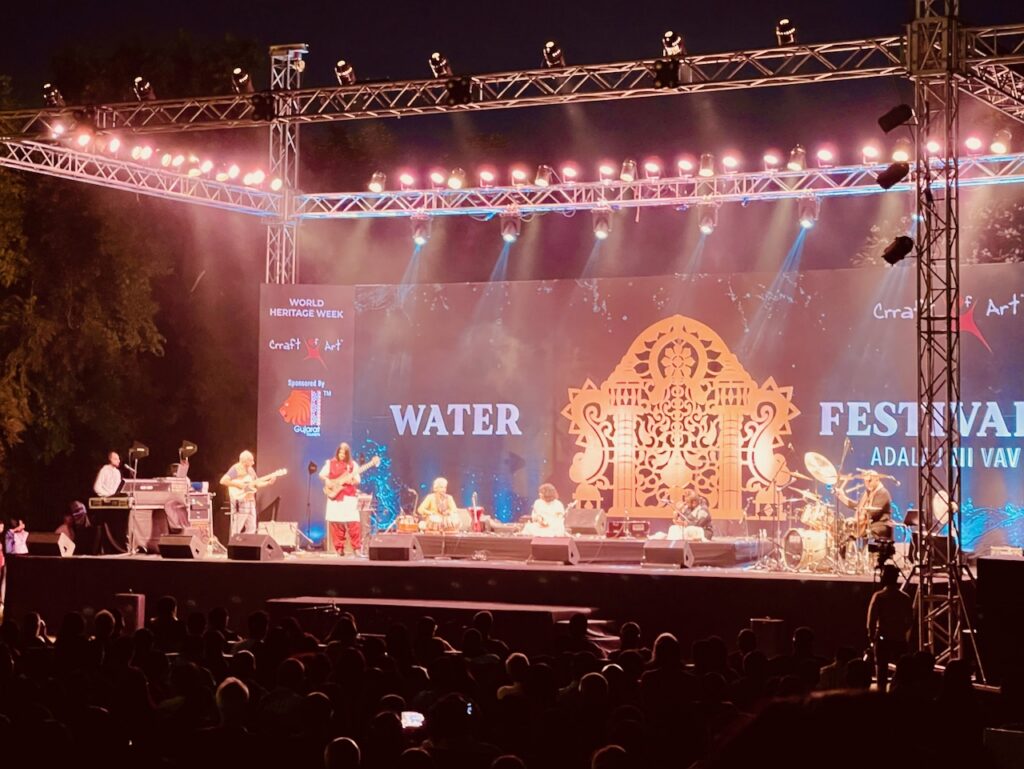
    Wow @ Vav – Musical Extravaganza @ Magical Monument

    The Divine Power Of Music Come Alive At The Spectacular & Historic Adalaj Ni Vav!

    Legends Ustad Fazal Qureshi, Ranjit Barot, V Selva Ganesh, Nathulal Solanki, Sanjay Divech, U Rajesh, Sheldon D’Silva and Prithvi Gandharva In Action At The Water Festival ! Actor & Music Lover Pratik Gandhi Does A Fabulous Job As A Host!

    Maestros Marvel At The Magnificent Monument – The UNESCO World Heritage Site Of Adalaj Ni Vav! Truly Wow!

  • Apexon’s Strengthens Presence In India With Brand New Office In Ahmedabad

    Apexon’s Strengthens Presence In India With Brand New Office In Ahmedabad

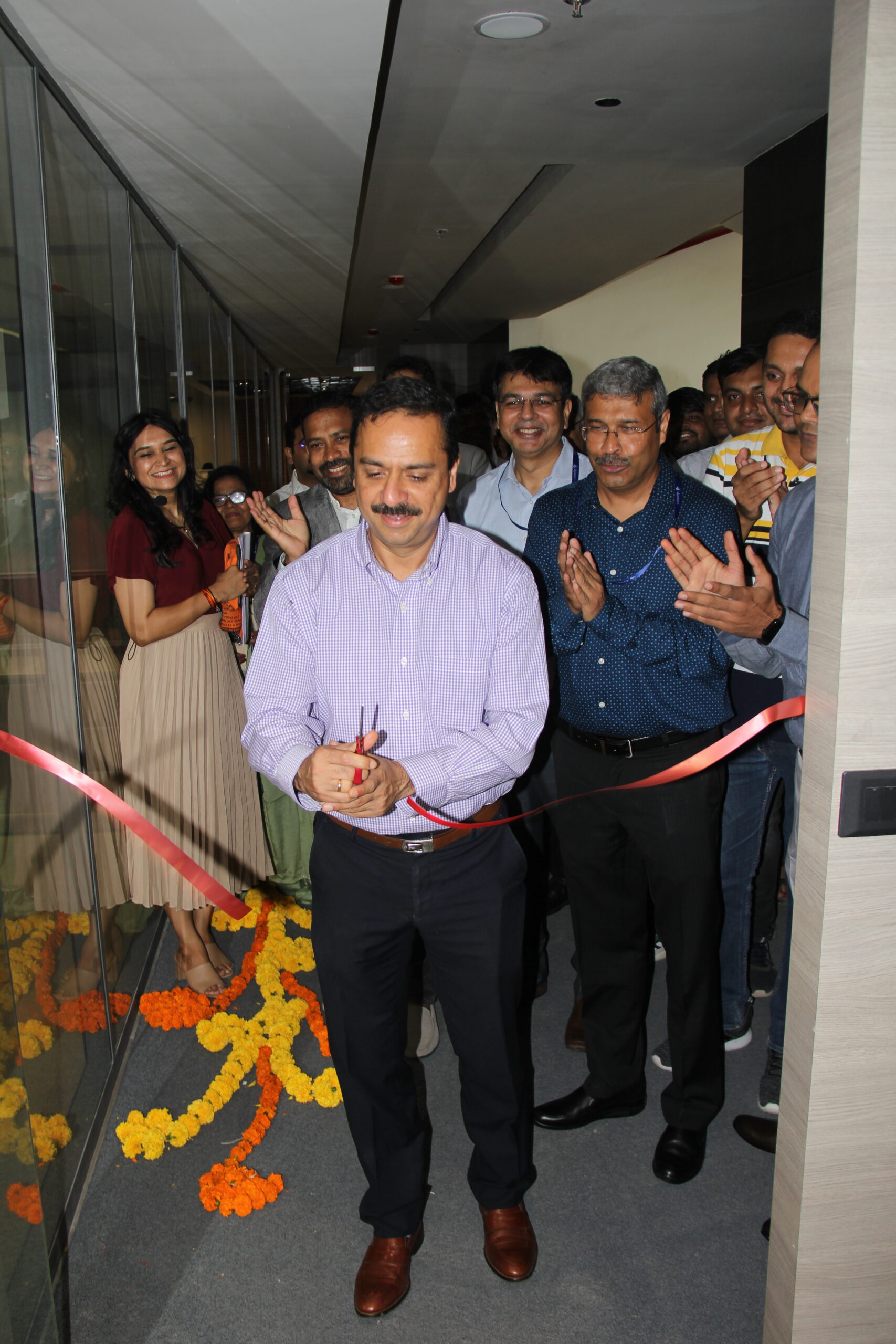
    Apexon’s Growth Story Continues….As We Strengthen Our Presence In Ahmedabad With A Brand New Office. The 800 Seater Office Comes In Quick Succession Of Our New office in Guadalajara, Mexico – The Silicon Valley of Mexico!

    Apexon CEO Sriniketh Chakravarthi Launched The State Of The Art Facility In Ahmedabad. Apexon’s Global Presence Of 25 Offices & Delivery Centers Across 4 Continents Ensure That We Serve The Digital Needs Of Our Global Enterprise Customers In The Most Agile Manner!

    The Official Press Release

    Apexon, a digital-first technology services company, has expanded its presence in India by setting up a new facility in Ahmedabad. The new delivery center will leverage the rich engineering talent pool in Ahmedabad and India and further strengthen Apexon’s ability to deliver digital and business transformation for its global client base. The center was inaugurated by Sriniketh Chakravarthi, Chief Executive Officer at Apexon.

    Located in the prestigious Iscon-Ambli area, the new center will house over 800 employees and support Apexon’s service delivery capabilities in digital engineering while creating exciting career opportunities for local talent.

    Apexon now has a global presence of 15 offices (and 10 delivery centers) across four continents. Ahmedabad has special significance to Apexon, as this was where Infostretch (the company that merged with Apexon in 2022), opened its first Indian office.

    “The inauguration of our advanced center in Ahmedabad affirms our dedication to pioneering and providing revolutionary digital engineering solutions to our clients,” said Sriniketh Chakravarthi, Chief Executive Officer at Apexon. “Ahmedabad’s vibrant entrepreneurial energy, industrial prowess, robust educational foundations, and skilled talent pool have significantly fueled Apexon’s expansion. We remain committed to enhancing our presence in the city and the region.”

    Apexon offers a diverse range of services including artificial intelligence, analytics, app development, cloud solutions, digital commerce solutions, DevOps, customer experience (CX), and user experience (UX). The company has built a reputation over its 25-year history, growing from four startups to a global digital engineering powerhouse, employing thousands of engineers around the world.

    The company recently announced its expansion into Latin America with a new office in Guadalajara, Mexico, which has been called the “Silicon Valley of Mexico”. Like the new office in Ahmedabad, it is one of Apexon’s core delivery centers to meet the global demand for digital products and services that accelerate business transformation.

    Apexon’s Ahmedabad office is located at Shreem Building, Off S G Highway and Iscon-Ambli Road, Near Iskon Crossroad, Jodhpur, Ahmedabad, 380015.

  • Bawaal – When Hitler Saves A Failing Marriage!

    Bawaal – When Hitler Saves A Failing Marriage!

    Bawaal – When Hitler Saves A Failing Marriage!

    Bawaal is an interesting attempt where a couple in troubled marriage discover love over a World War 2 honeymoon trip. Arjun is a highly image-conscious and fake braggart who treats his intelligent, pretty and talented wife Nisha like a piece of dirt. Arjun invites trouble at his school job and finds a novel way to change the narrative. Nisha accompanies her and during the European trip covering Holocaust, Arjun realises his follies. 

    The story of a rustic uncivilised man redeemed by a brilliant and wise woman is an interesting take and explored before. The movie fails to build on a great premise. And zero marks for the attitude towards Epilepsy….

    The attempt to infuse Holocaust is a brave attempt but it fails…especially dialogues like – Every relationship goes through their Auschwitz. Or reducing Hitler’s evil to greed. Expect a big roasting here for the movie!

    Varun Dhawan is class apart and is the highlight of the movie. He is effortless and impressive. The supporting cast is wonderful. But Janhvi Kapoor fails to exploit the great character. 

    Bawaal has wonderful music and smart dialogues. Trust Dangal’s Nitesh Tiwary for a great movie but he could have done much much better!

    Bawaal is a decent one time watch – Watch it for Varun Dhawan!

    #bawaal #bawaalreview #bollywood #hindifilmindustry #primevideo #amazonprime #indiancinema #romance #newreleases

  • The Banshees Of Inisherin: Melancholic. Macabre. Maddening. Morbid. Must-Watch.

    The Banshees Of Inisherin: Melancholic. Macabre. Maddening. Morbid. Must-Watch.

    An impeccable, thought provoking and insightful epic of human relationships and life!

    When friendships break!

    When existential questions hurt!

    Just like every other day, Padraic visits his best friend Colm for the ritualistic trip to the local pub. Colm refuses to speak and breaks the friendship which devastates Padraic to no end. Padraic persists on winning back his friend but Colm is equally stubborn and threatens to cut off his fingers one by one if Padriac does not back off! Ouch! And shockingly, he walks the talk! Heart-breaking and horrifying!

    What a story….what an impressive set of eclectic characters!

    Colm is a thinker who wants to have a purposeful life and leaving a lasting impression on the world! His icy cold rejection of Colm is incisive – “I just don’t like you no more”!

    Padraic just wants to be nice human being and feels kindness is what one will be remembered for! His reactions to Colm as well as his interactions with animals are moving!

    Dominic is the troubled teenager who steals the show when he says “there goes that dream”!

    Padriac’s sister Siobhan is a wise, well-read and strong woman with dreams and ambition…Her silence pierces as well as her retorts like “not another silent man in Inisherin”

    And what an ending! Will not spoil the beans…tell what you think of it?

    Colin Farell and Brendan Gleeson’s chemistry as two friends at odd is amazing! The whole range of emotions from confusion to shock to anger is well a master class in acting – expressed with eyes and body language! Kerry Condon and Barry Keoghan are rock solid and lift the movie to a next level.

    Martin McDonagh focusses on human relationship and small town absurdities with the backdrop of war in a remote Irish island. Life in a judgemental and probing community can be claustrophobic and maddening! The writing and screenplay is very meaningful and incisive – translated impeccably on the big screen with an emphatic treatment! The cinematography is a character in itself and transports you to the beautifully Irish countryside. The visuals and music have a calming effect – acting as a meditative healing amidst the melancholic pain!

    A movie that will touch you and set you thinking!