Category: Ideas & Wisdom

  • Life Lessons from India – New Zealand Thriller!

    Life Lessons from India – New Zealand Thriller!

    The World Cup 2019 Semi-final has silenced a nation of 1.35 billion people.

    The India – New Zealand clash has prompted strong emotions across the globe. The fans’ reaction is a testimony to their love of the game and ‘Men in Blue’. One can discard their involvement and ideas as arm-chair suggestions but without fans, the game is incomplete. The game is a bigger game because of fan, and it unites everyone – delivery boy, CEO, office staff, families!

    What else did I see in the India – New Zealand clash? What can be learn from it for our life?

    1. Innovation

    Indian team showed no innovation. India stuck to their old ways. Same batting order except pushing Dhoni down. Dhoni should have risen up in the order and he would have anchored the batting. He would have stopped Rishabh and Hardik from rash shots.

    Our Batsman played the same way as they did in earlier matches.

    We all need to innovate in life. We cannot keep trying the same things every time. Our career requires us to develop new skills and bring new ideas to the table. Innovation is key to success in today’s world. We need to evolve!

    2. No Plan B

    Indian Team did not have a Plan B. What if our big guns did not deliver? What if our middle order was exposed? India’s middle order was our biggest problem and we never worked on it. The lack of Plan B costed us the match.

    We had a great opportunity in India vs SL match to give practice to others. But still Virat came at No.3 and so did others at their own positions.

    In life our best planned ideas can go wrong. We need to have a Plan B. If our dream promotion does not happen, what do we do? If we do not get admission in IIM, what do we do?

    3. Flexibility / Overconfidence

    The team came across as stubborn as well. The rains would have made the batting difficult was a given factor . But our earlier success blinded us to the new situation. Maybe we got overconfident. What has worked well would continue!

    Respect the conditions. Respect the opponents. Every artist touches the stage before it performs on the stage – we did not kiss and read the pitch well.

    It is not the strongest or the smartest that survives – it is the most adaptable that survives. We need to learn flexibility in life. Change as per the situation and circumstance. Do not be stubborn.

    4. Discipline

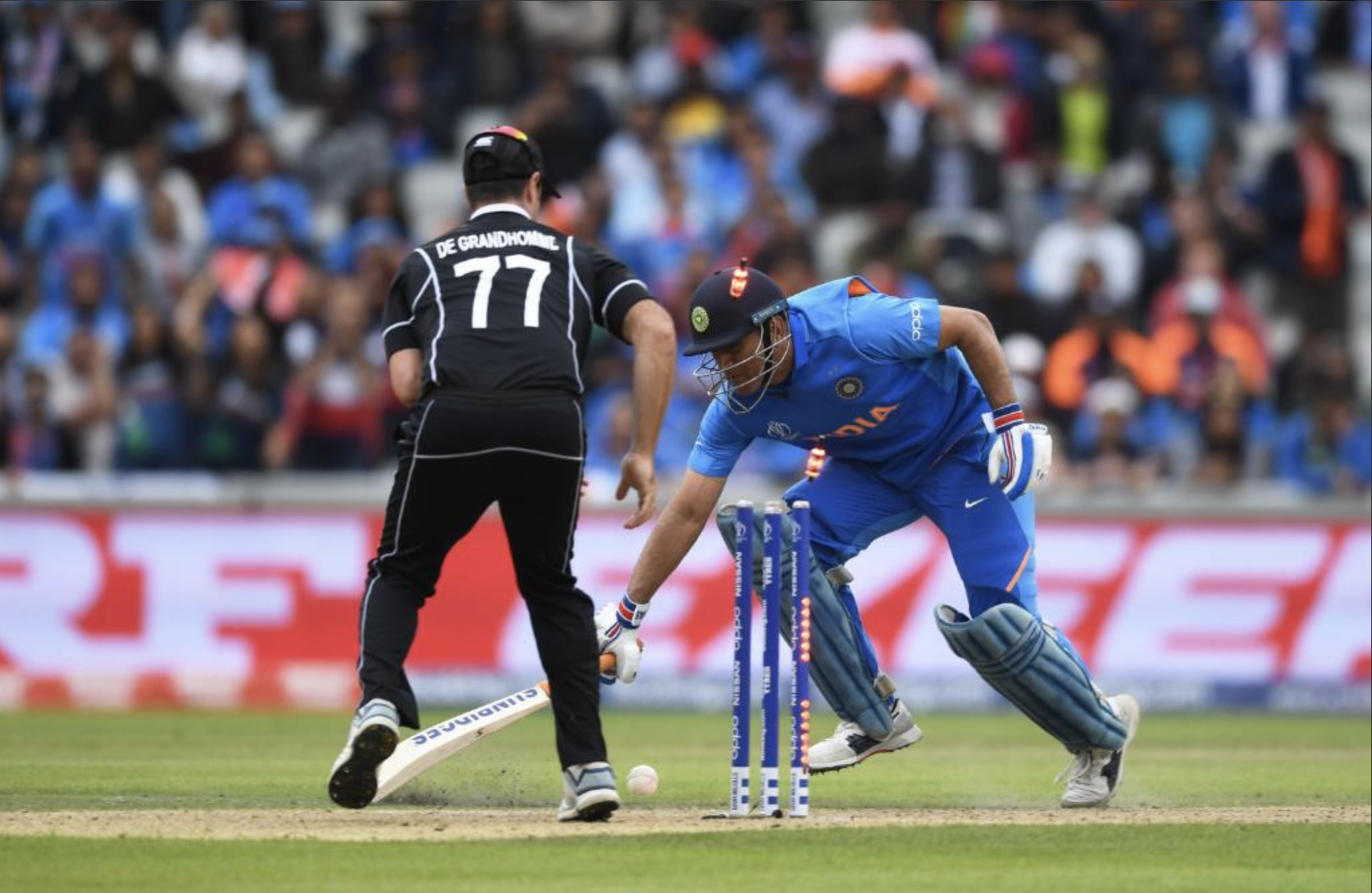
    New Zealand was a disciplined outfit. The batsmen, bowler and fielder played to the strength. The bowlers stuck to the line and the length. The batsmen may have been slow but scored a decent score in the circumstances. The fielding was exceptional including the run-out that broke Dhoni’s stellar run and Indian hearts.

    Indian batsmen were still in their flashy IPL mode. Rishabh Pant and Hardik Pandya could not control their natural instincts. Clearly Rahul was out of the place. We had our share of woes in fielding as well. Virat said that 45 minutes of bad cricket cost us the tournaments. That is what happens in life as well. One bad impulsive action or decision can cause greater regrets!

    Whether is studies or financial planning, discipline goes a long way. Avoid flamboyance. Just do the job silently and consistently. The devil is in the details. Persistent efforts win!

    5. Leadership

    New Zealand skipper deserves equal credit for the leadership he demonstrated. He was the captain cool. Not only did he read the pitch right, he played to the strengths. Kane Williamson outsmarted India tactically with the way he attacked upfront and the way he set the field. He was in action throughout out the match and encouraging the team. He changed the bowlers, backed the colleagues and calmed every one when Jadeja-Dhoni were on fire. His belief ensured that New Zealand was through the match.

    Many people talked about the luck and the rains. A champion team does not need luck. And luck favors the brave and the prepared teams. Had India showed more steel and flexibility, the outcome would have been different. Luck helped Dhoni and Jadeja. But it also helped Guptill – whose run out was the worst thing to happen to India. Or Virat’s dicey wicket. But there are no other excuses – we lost on our own account. We were almost there…but New Zealand got it better that day! We should have not lost to England – we could have got another opponent!

    But the most important thing is that India put a great emphatic show during the entire World Cup. All of us loved it and our team was the table toppers! We had a great semi-final as well where hopes were alive till the last over. It was Dhoni that gave us the belief that we could still have win probability of 70% at 5-3. And we got to see Jadeja’s striking response to Sanjay bits and pieces comment!

    Rohit Sharma’s magnificent batting and Bumrah’s magical bowling will remain in our hearts and minds for long time to come!

    Life is about wins and rising after each fall. Sports is the greatest teacher. This too shall pass!

    Let us back the BlackCaps for a win! Cricket needs a new champion!
  • Aashadh Ka Ek Din: A Great Play

    Aashadh Ka Ek Din: A Great Play

    आषाढ़ का एक दिन – अति उत्कृष्ट

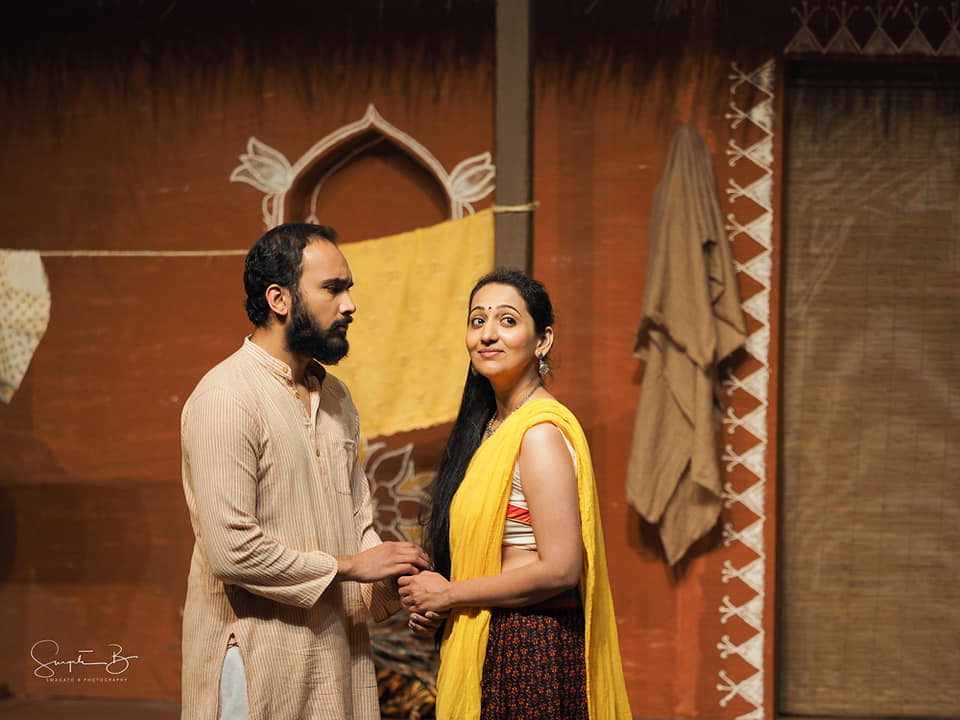
    Aashadh Ka Ek Din: Mohan Rakesh’s Classic Three Act Play Was Presented Beautifully By Director Manish Sabu. 

    The Award Winning & Pioneering Modern Hindi Play Focuses On Poet Kalidasa’s Life & His Emotional Connect With Mallika. Mallika’s Influence & Inspiration Allows Him To Create Great Works But He Struggles As Politics & Power Rob His Creativity. He Returns To His Roots After Abandoning Politics But Surprise Is In Store For Him. Each Act Ends With Mallika Being Left Alone & Kalidasa Moving On. 

    The Pure Hindi Was A Great Delight In This World Of Hinglish. Preeti Bhat Shone As Mallika With Strong Support From Others. A Great Play To Watch – Showcases Strong Content, Amazing Acting, Nice Direction & High Production Values.

  • The Road Not Taken – The Visual Expression!

    The Road Not Taken – The Visual Expression!

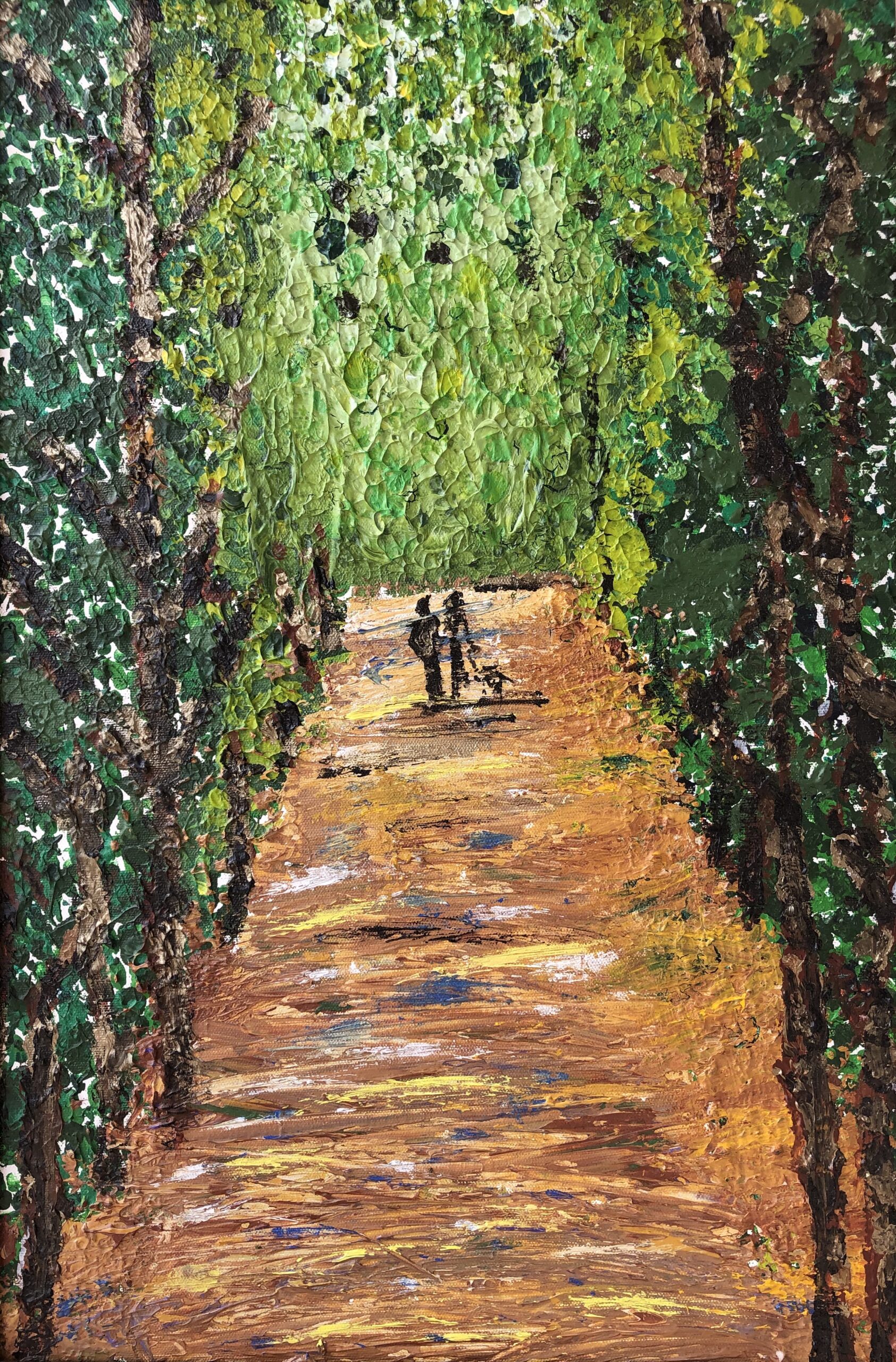
    The Painting That I Was Waiting For!

    Our lovely library was waiting for the right art as its entry showcase. We had explored many options but never got it right!

    Till we saw this wonderful art expression of Ms Falak of Eklavya. It stole our hearts at the first sight and all the As of Karania family shouted in joy!

    Eklavya has several unique initiatives and Picasso is one such amazing idea. All the children express their painting and other talents which is encouraged and applauded by the entire society. The exhibition is organized to showcase the talent to the world and the proceeds are given to charities.

    The painting is aptly named ‘The Road Not Taken’. Robert Frost’s timeless poem is our favourite anthem and this creative work does the great justice to the poem.

    All the recently auctioned paintings of Mr N Modi on one side and this one on another side!

    Welcome home ‘The Road Not Taken’ and thanks a million Falak!

    Let us revisit the poem here:

    The Road Not Taken
    Robert Frost

    Two roads diverged in a yellow wood,
    And sorry I could not travel both
    And be one traveler, long I stood
    And looked down one as far as I could
    To where it bent in the undergrowth;

    Then took the other, as just as fair,
    And having perhaps the better claim,
    Because it was grassy and wanted wear;
    Though as for that the passing there
    Had worn them really about the same,

    And both that morning equally lay
    In leaves no step had trodden black.
    Oh, I kept the first for another day!
    Yet knowing how way leads on to way,
    I doubted if I should ever come back.

    I shall be telling this with a sigh
    Somewhere ages and ages hence:
    Two roads diverged in a wood, and I—
    I took the one less traveled by,
    And that has made all the difference.

  • Book Review: 21 Lessons For The 21st Century by Yuval Harari

    Book Review: 21 Lessons For The 21st Century by Yuval Harari

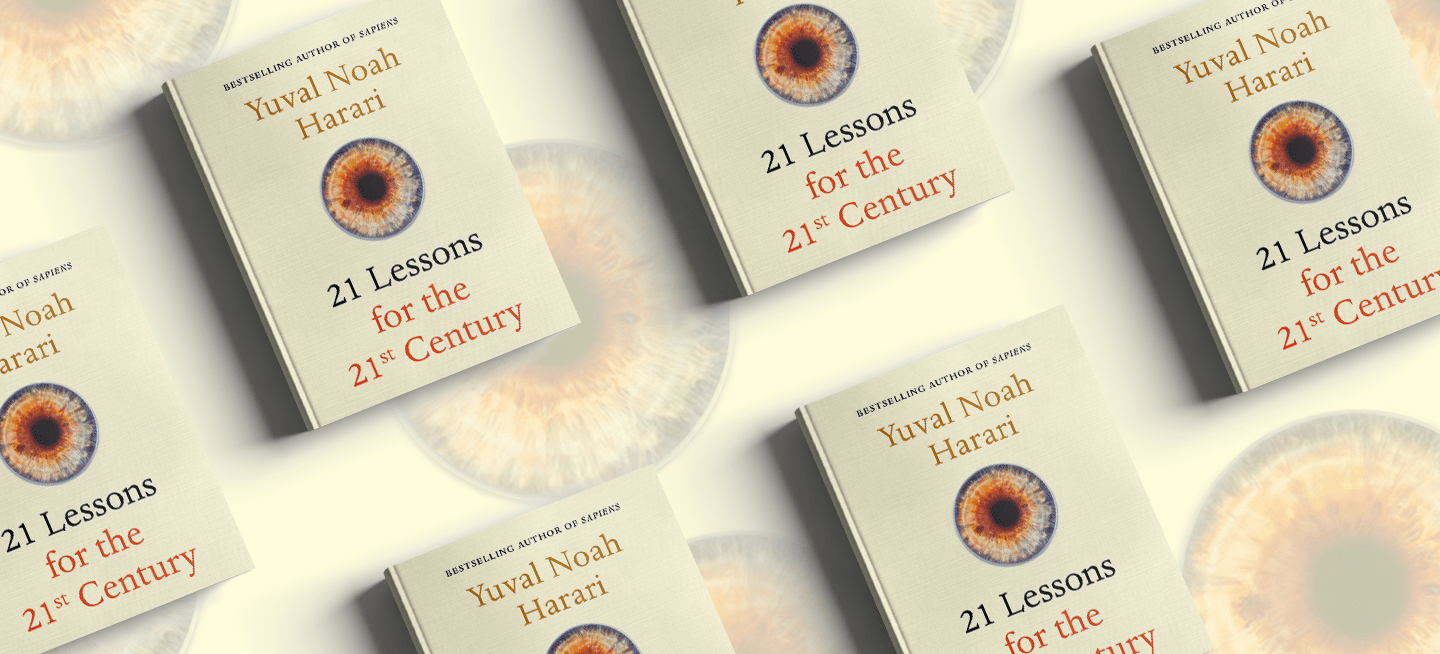
    The highly stimulating and inspiring Yuval Noah Harari is back! His latest book ‘21 Lessons for the 21st Century‘ completes his trilogy. While his previous best sellers, Sapiens and Homo Deus explored the past and the future respectively, 21 Lessons focusses on the present and contemporary topics.

    I read the book on a long SFO-Delhi flight in one reading, amidst the chaos of Brexit and US-China trade tensions. I was returning from an annual planning pilgrimage where we were trying to look at the crystal ball and make our bets. So, the topic of knowing the present and the modern challenges made a lot of sense. The book’s cover jacket and introduction indeed made the right claims:

    How can we protect ourselves from nuclear war and technological disruptions? What are today’s greatest challenges and choices? What should we pay attention to? Are we still capable of understanding the world we have created? What should we teach our children?

    The book is divided into 21 chapters over 5 different sections and cover topics Work, Terrorism, Immigration, Nationalism, War God, Fake News, Education etc. So how does the book measure up? Does it rise up to the claims?

    The vegan smartphone-less Yuval Noah indeed makes a compelling reading. His wide knowledge and deep intellect are evident in his strong claims. The contemporary examples quickly relate and establish a shared platform for arguments. It offers interesting insights and ideas to provoke further thinking and find answers. Sample this:

    1. Donald Trump warned voters that the Mexicans and Chinese will take their jobs, and that they could therefore build a wall on the Mexican border. He never warned voters that the algorithms will take their jobs, nor did he suggest building a firewall on the border with California. True indeed. It is very easy to create a narrative and channelize resources against a visible threat, but what about the larger invisible challenges. It is easy for Donald Trump to talk about Mexicans but how do we prepare to deal humanity with the challenges arising from the confluence of AI and Biotech? The same thing is happening across the world.

    2. The Russian, Chinese and Cuban revolution were made by people who were vital for the economy and lacked political power. But Trump and Brexit were supported by people who enjoyed political power and were afraid to lose the economic power.

    3. Humans vote with their feet. Which countries do people want to emigrate to? It tells the answer for the future. People want to move to USA, Germany, Canada, Australia.

    4. Why terrorism makes headlines? Because the world has become a safer place as compared to the past and any new acts of violence makes more noise. Terrorists are successful because they are like a small fly that can drive a large mad bull to smash up a china shop. That is exactly what 9/11 did. It drove US to smash up Middle East. Terrorism requires action on three fronts: state action against terrorist networks, responsible media management and individual self-restraint.

    5. Humans have two types of abilities – physical and cognitive. In the past, machines competed with humans mainly in the raw physical abilities, while humans retained an immense edge in raw physical abilities. Today, machines are taking over human beings even in the cognitive abilities. So how can humans retain an edge over machines?

    6. Artificial intelligence and biotech are the future and will change humanity. Are we ready for it?

    7. Self-driving cars are safer, but will we understand that? Shall we protect people, or shall we protect jobs? The jobs in Bangladesh and Bangalore will be lost soon. How do we train the redundant workforce? It was easier for farm labourer to become industrial worker or retail help as it required very less significant training. What happens in the future when jobs are becoming very specialised?

    8. The rich are becoming richer, but they may become superior and more talented as well in the future. There will be a rise of “useless” class of people. What are the implications for the society and humanity?

    9. The climate change will be good news for Russia.

    Does the book offer solutions? Yes and no. It offers high level solutions – universal basic income, globalisation of politics, meditation etc. However, if one is looking for practical and innovative solutions, there are very few. And it is not Yuval Noah’s fault – nobody has got the answers right to these questions. At least he has identified the right questions to find answers for and given some initial thoughts. He wants us to debate and find our own answers.

    The book is a good read and a recommended reading. But first do read Homo Deus and Sapiens as well.

    And then let us meet and brainstorm…

    Further Reading:
    Yuval Noah Harari Official Website
    Yuval Noah on YouTube

    Image Courtesy: www.ynharari.com

  • My Impressions Of Nandita Das’ Manto

    My Impressions Of Nandita Das’ Manto

    I got introduced to Saadat Hasan Manto when I read Toba Tek Singh in school while studying the partition of India. Khushwant Singh’s Train To Pakistan and Govind Nilhalani’s Tamas completed my partition trilogy. (Tamas’ author is Bhisham Shahni and I watched the Doordarshan masterpiece).

    Manto kept on resurfacing at regular intervals and his impact grew on me with the passage of time. Thanda Ghosht and Khol Do threw light on monstrous brutalities committed by fellow human beings in the name of partition.

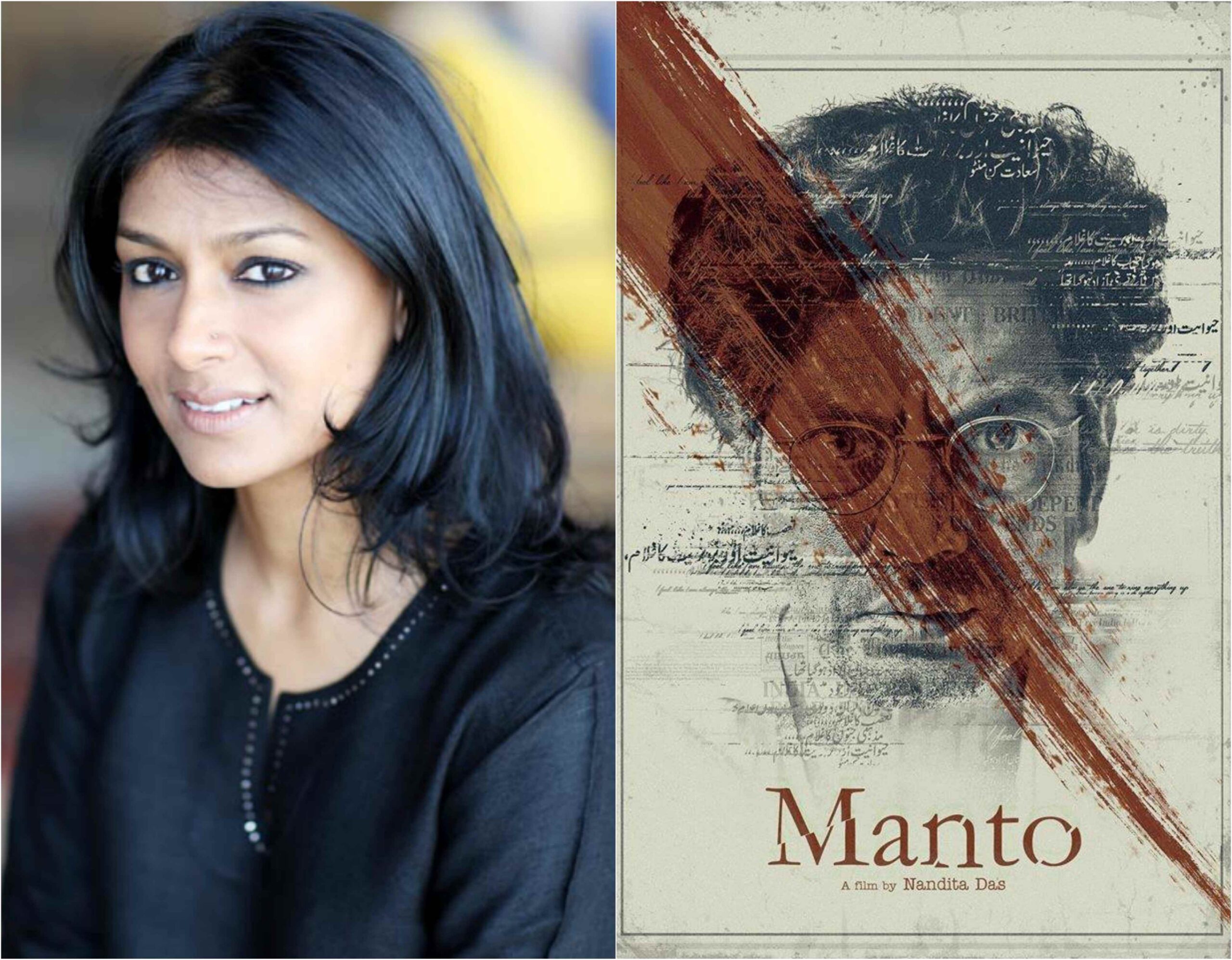
    Nandita Das brings Manto back into the spotlight – a much awaited film on the genius by a sensitive and intellectual director.

    Nandita’s Manto depicts his journey from pre-Independent British India to post-partition India and a newly formed Pakistan. The movie’s initial focus is on Manto’s Bollywood days, friendship with Ismat Chughtai, family time with wife Safiya etc. One gets a glimpse of Bollywood personalities, Manto’s fearless voice, his empathy for the less elite members of the society and the power of his words. Post India’s independence, the evil partition divides a newly reborn country. After a brief time in Bombay, Manto moves to Pakistan. The loss of Bombay and the scars of partition slowly affect him and break him down. Liquor and cigarettes become his fast friends and he stops writing back to his friends in Bombay. His pen is still brutally naked and focusses on the monstrous human behavior. He is charged with a case of obscenity in Pakistan and he loses it. The progressive writers also attack him, and he finds himself in a minority. Eventually he goes to an asylum for de-addiction.

    Returning after a decade to the director’s chair, Nandita Das provides a very touching portrayal of the man behind the author and his eventual breakdown. She depicts Manto’s struggles, pains and heartbreak with total empathy. Her hard-work in research is very evident.

    Nawazuddin Siddiqui is at the top of his game. He looks and plays the attitude of Saadat Hasan Manto with great effectiveness. Manto is a new breaking ground for Nawazuddin, who has mastered the thriller and gangster space. Rasika Duggal is a perfect companion to Manto and she provides the right anchor. She is silent, spirited, strong and dignified. The supporting cast includes stalwarts like Paresh Rawal, Divya Dutta, Rishi Kapoor, Ranvir Shoerey, Javed Akhtar, Ila Arun, Gurdaas Maan, Niraj Kabi etc. Tahir Bhasin shines as Manto’s friend/superstar Shyam. It is worth noting that most of the stars have done the film at zero or minimal cost. Nawaz has charged only Re 1 for the movie. The movie’s production values, art, costume music and background score are world-class and in perfect sync with the movie’s tone. ‘Bol Ke Lab Azaad Hai Tere’ is an anthem!

    Manto’s screenplay is the real highlight of the movie. The dialogues are designed to keep you thinking. Sample this:

    “Agar aap mere afsaano ko bardasht nahi kar sakte, toh iska matlab yeh hai ke zamaana hi naakabil-e-bardaasht hai”.

    “Meri kahaaniyon ko main ek aaina samajhta hoon jismein samaaj apne aap ko dekh sake. Aur kisi buri surat waale ko aaine se hi shikayat ho toh usmein mera kya kasoor?”

    “ When religion moves from hearts to head, people start wearing religious caps”

    The scenes are very well-designed and thoughtful. Take a very simple scene at the start of the movie – where Manto and Safiya are sitting in a park and discussing about a woman’s facial hair. A simple park banter speaks of their companionship, Manto’s imagination and simplicity of their lives.

    Or another scene in which prompts Manto to move to Pakistan. His friend is trying to stop him from going to Pakistan. He argues and says that Manto is not a Muslim enough (in reference to his alcoholic habits). Manto retorts that he is a Muslim enough to be killed. The scene delivers in the message in the most thundering silent way!

    Manto’s sensitivity is seen in another scene. He is hurt when Faiz Ahmed Faiz defends Manto’s writing as not obscene, but he also remarks that Manto’s work is not literature. He keeps on thinking about this comment in garden. His daughter’s sickness and his apology to Safiya really affect you – why does he have to suffer!

    Nandita weaves Manto’s famous stories into the main narrative with great dexterity but I found the stories to be too brief and directly striking the key message. I understand Nandita never wanted to talk about the stories because everyone knows them – she was highlighting the context and inspiration of those stories. But I would have loved to see Nandita’s Midas touch to these timeless stories.

    Many of us do not know Gandhi, so to expect people to be aware of Manto is an important assumption. The movie’s promos and Mantoiyat theme had created an impression of a strong, courageous and larger-than-life Manto. People were expecting more fiery stuff whereas the movie showcased only the few years of Manto’s life. This created an expectation vs reality gap. But it is director’s prerogative to choose what to showcase. The chosen aspect of life is more difficult to showcase. More importantly, it is more significant to be showcased – how a creative genius withers away!

    The post millennial generation cannot relate to DevDas and even Gandhi has to be wrapped in Gandhigiri. So, the film came across as a little gloomy and melancholic.

    But I should not speak for everyone. Manto would not be happy. He would rebuke me and rightly so! (Remember the Lahore scene. Manto speaks to bibliophiles in Lahore and a member of the audience remarks that readers find Manto’s work dark. Manto rebukes the person for speaking for all readers instead of himself. An important point made when we often see people speaking for entire populace. )

    I loved Manto. It is a class act. It is a rare gem. It is one of the fine works of recent times. Its grows on you! And it really makes you think!

    “Jab ghulam the, toh aazaadi ka khwaab dekhte the. Aur ab aazaad hai, toh kaunsa khwaab dekhenge?”

    The impact and importance of the movie is beyond the box-office numbers!

    Watch it! Do not miss it!

  • Live To Give!

    Live To Give!

    Live To Give!

    Ten years ago, it started as a humble thought but little did I know that ‘Live To Give’ will become a motto and a defining philosophy for me!

    Over the years, it has taken different forms:
    – Spending time and energy behind worthy people, organisations and causes
    – Mentoring and helping students, friends, colleagues, relatives and budding entrepreneurs  
    – Providing intellectual, network and financial capital
    – Evangelising causes
    – Cheer leader

    It has been a mutually rewarding and soul-enriching act. It has been a great learning experience as well. It is a challenging act as demands on time and energies keep increasing in all domains of life – but it is worth it!

    I was discussing this personal philosophy with some young friends and it prompted to check the original note of ‘Live To Give’….still holds true! (And inspired this post!)

    The Original 2008 Founding Version of ‘Live To Give’

    Live To Give!

    If I can stop one heart from breaking, 
    
I shall not live in vain; 
    
If I can ease one life the aching, 
    
Or cool one pain, 

    Or help one fainting robin 
    
Unto his nest again, 
    
I shall not live in vain.

    : Emily Dickinson

    ‘Live To Give’ is a concept of giving back to society. Whatever way. Whatever time. Helping anyone. 
     
    ‘Live To Give’ is not an organisation, it is a mantra for life. We have to leave the world by giving more than we received from it. We have to leave every place by making it better than what we found it. 
     
    ‘Live To Give’ is an idea to get people to help each other. Organisations, individuals can help in any manner they deem fit. If you are good in accounts, please help an old age home to manage its accounts. If you are good in technology, help someone to learn computers. If you are good in marketing, please help the neighbourhood library to add more members. If you love children, visit orphanages and spread joy. If you are well-connected, connect the have-nots with haves. The haves will be thankful. However, ‘Live To Give’ is not helping just the have-nots or the non-elite. Not at all!

    ‘Live To Give’ is a way of life. Give wherever you can. Give your best at work place. Give your best at home. Give your best to the fellow passenger on train. Give your best to the stranger looking for directions. Give your best to the friend in your life.

    What will matter the most to us? How much did we earn or what difference we made in the environment?

    Image Courtesy: Photo by Lina Trochez and Thought Catalog on Unsplash

  • Celebrating Learning & Innovation – The Museum Of Failure

    Celebrating Learning & Innovation – The Museum Of Failure

    The winner takes it all! Winning at any cost seems to be the modern mantra – whether in business, politics or any other aspect of life.

    But what about failures? Failure is a learning process. Failure is an important part in our journey of evolution. Unless we fail, we do not learn the important lessons that are necessary for our growth – personal as well as professional.

    Once a famous Indian King had to make a choice between two able generals for an important war. One was a general who had never lost an war. He was the lucky general. The other one had won more wars but lost a few as well. The upcoming war was an important one and king chose the one with a mixed record. The second general would not take success for granted. He would be less arrogant and take the right steps for winning the war. And who knows the first one could run out of his luck – law of averages would catch-up! Wise choice.

    Today, the excessive focus on success has made failure a completely negative concept. Failure is not welcome. But failure is nothing to be shameful about. Every race has always one winner – so we should not consider the rest as failures.

    Failure is an equally important factor in the innovation journey. Hundreds of innovations became successful, but thousands and thousands failed before the successful ones!

    I recently came across an interesting Museum – the Museum of Failure. Hidden in a small town of Helsingborg in Sweden, it is a collection of all interesting innovation failures. It has a collection of failed products and services from the world – to drive home a single point – that business of innovation is risky proposition, but it is a learning process.

    Some of the famous items on display include:

    – Apple Newton

    – Harley Davidson Perfume

    – Google Glass

    – Nokia N-Gage

    – Kodak Digital Camera

    – Sony Betamax

    – Lego Fiber Optics

    – Ford Edsel

    – Donald Trump Board Game

    – Colgate Beef Lasagna

    – Coke Coffee Cola


    The important thing is to not get disappointed after failure or lose enthusiasm. We should avoid self-doubts as well. Failure tells us to start once again but with more intelligence and information. Hence failure is never final. It is a stepping stone towards success!

    Official Site of Museum of Failure


    Check A Quick YouTube Video:


  • Solo Travellers Interview: Bergensbanen, Petra & Solo Travelling Tips

    Solo Travellers Interview: Bergensbanen, Petra & Solo Travelling Tips

    Solo Travellers Group had given me an opportunity to talk about my solo travels in the India meetup in Ahmedabad. Going beyond that, they had a quick interview with me and it has been published on the Solo Traveller Site.

    Check the interview here:

    I am also taking the liberty to share the same here on my personal site.

    One Of The Most Spectacular Train Journey In Europe : Begen-Oslo, Norway | Dr. Ashok Karania

    A gypsy at heart, a travelling evangelist and a trip planner for his friends and family, meet Dr. Ashok Karania who recently gave a TEDx Talk where he spoke about the joys of traveling alone and how it is an enriching and life-changing learning experience: ‘Soul Fuel – Why Solivgant Travel Matters.’

    1. Tell us something about yourself and your background

    I am an energetic soul which is passionate about Business, Technology, Bollywood, Travel, Language and Social Enterprise.

    I work with a silicon valley company Infostretch where I help organizations from the Fortune 500 to startups to achieve their digital vision and accelerate innovation. During the course of last nine years, I have held multiple roles and driven several initiatives. I am also associated with social enterprises and industry-academic initiatives.

    I am a Bombay boy who has lived in Pune, Ahmedabad and London. I graduated from Narsee Monjee College and completed my MBA from S P Jain Institute of Management & Research. I hold a PhD degree from the University of Mumbai.

    2. How many countries and Indian states have you travelled?

    I have visited about 50 countries in 4 continents. I have visited more than half of Indian states (15) with a heavy travel history in 4-5 states.

    3. Any interesting travel moment or incidence

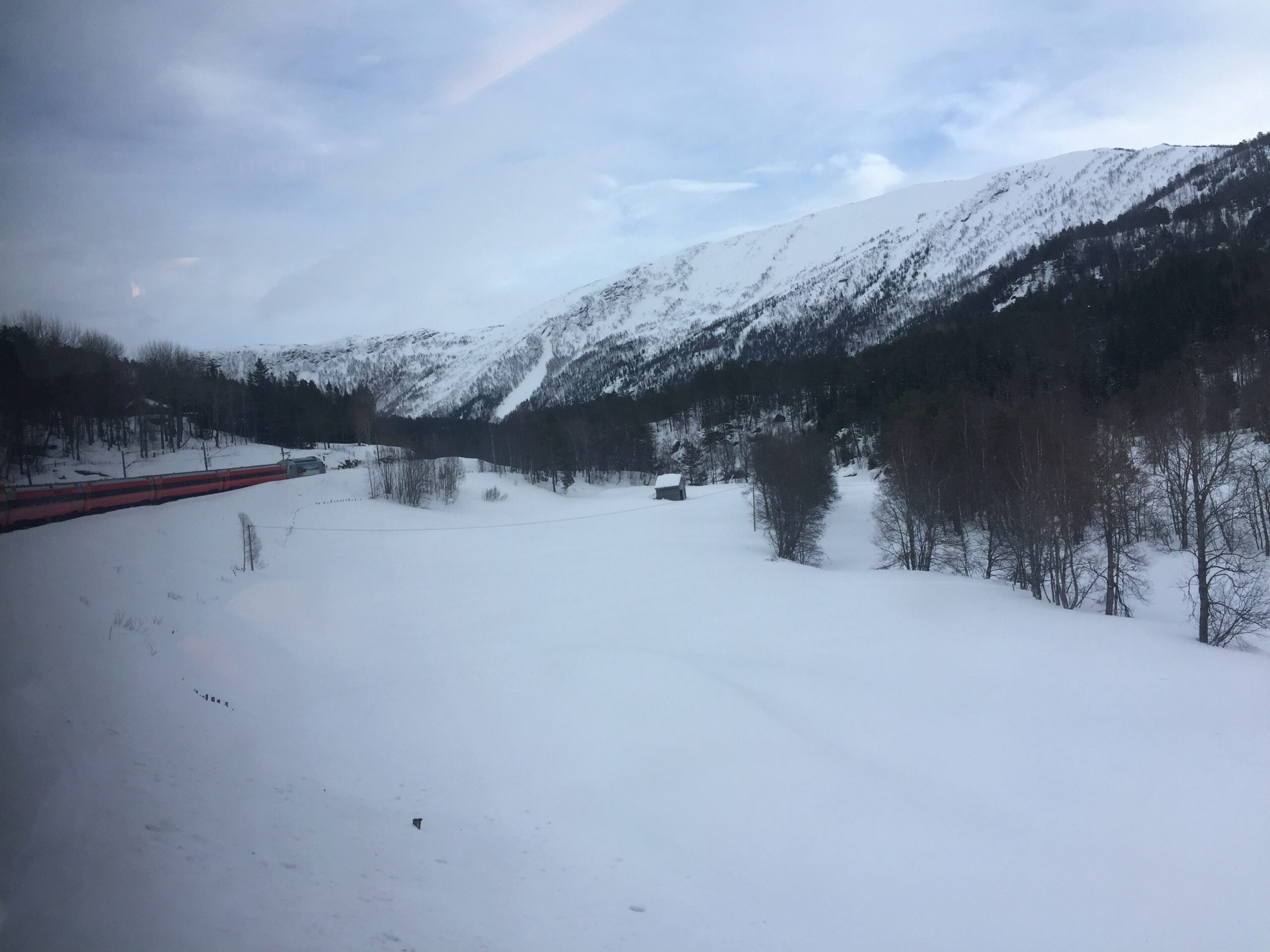
    The Bergensbanen is one the most famous and beautiful train journeys in the world. I wanted to know whether it was really beautiful or another marketing hype? I got the opportunity to check it out this winter. And I can conclude that it was indeed a very scenic and mesmerizing train journey.

    The Bergen – Oslo Train ride offers breath-taking views of magnificent mountains, nice forests, lovely lakes, Fjords, cute countryside, villages, mountain houses and cabins. The railway is an engineering marvel with hundreds of tunnels, sheds and railway stations in one of the most difficult terrains.

    I had taken a similar beautiful train ride in Switzerland and had explored a similar landscape of mountains, rivers, forest, cabins etc. The Swiss experience was green experience and it had its beauty – it’s still green in my memory. But this Bergensbanen experience was snow white and it gave me a new happiness. I am glad I did this train ride in the winter season.

    The luck was also on our side. It was perfect sunny day. The powder white snow laden landscape was shining bright. The pure whiteness offered a beauty of its own. It was sheer bliss. It was La La Land. It was nature at its best. Nature is beautiful. Nature is magnificent. Nature is charming. Nature is refreshing. Nature is energizing.

    The tunnels played hide and seek. Each tunnel would reward with an exciting view as the train emerged out. The entire 7 hour train ride was a pleasure of its own kind. It was a soothing, peaceful and a very memorable ride.

    4. Most popular places to visit

    I have experienced magical moments at the most unlikely of places. During my travels, I have seen local unexplored gems and seen the popular places from a local’s eye. Some of the memorable experience includes: Auschwitz in Poland, Anne Frank Museum in Amsterdam, Atlas Mountains in Morocco, Kanha National Park in India, Yosemite in USA, Jaisalmer in India

    One of the recent memorable experience was Petra @ Night. Petra is the most amazing World Heritage site and truly a wonder of the world. During the night, the whole path of Petra’s few kilometre Canyon walk to Treasury was lit with oil lamps. The thousand candles lit Treasury was a sight to watch. We sat and enjoyed the beautiful Treasury while listening to the traditional local music and sipping the Bedouin tea. And the moon-star lit sky made the Petra night even more magical.

    Indian temple towns give me lot of peace and Shankheshwar is one of my favorite places.

    5. Tell us about your fears and anxieties when traversing solo. How you keep them at bay?

    When I started solo traveling, there were lot of fears and anxieties – mostly useless. But with each solo trip, these subsided.

    The fear or anxieties were common – how will I manage alone? Will I get bored? Can I trust people? What if I get robbed? What if I get mobbed? What if I am left at an unknown place? What if I die and no one knows where I am? Will I get bored? Will I get the right food?

    The best remedy for these fears is action. Just travel and take the fear out. And that is what I did. With each trip, my fears and anxieties subsided.

    While traveling to a distant land, keep the fears at bay by planning well and starting safe. Start with reputed hotels and central areas in unknown cities. Keep family and friends informed about the whereabouts. Initially, travel in free walking tours to get a feel of the city and people. Once you gain confidence, you can start being adventurous. The world is a beautiful place. It is much nicer and safer than we think.

    6. What’s your favourite travel quote?

    My own quote is: A new you is the best travel souvenir

    Amongst the quote of other people, I like this one from Pico Iyer:
    We Travel, Initially, To Lose Ourselves
    We Travel, Next To Find Ourselves

    7. Any travel tips for the readers?

    – Take a solo trip, if you have not already done one! If you have certain destinations on mind, great. Else, open up the map of the world and decide based on your interest, budget etc. One can also visit different travel blogs and websites and make a choice.
    – Start small: Start traveling solo within known places and cities. Explore a town or a city near you. Explore a state where you have friends and relatives – so there is backup. Or when you are traveling in a group, keep aside 1-2 for solo travel. Then slowly you can move to larger and bigger solo trips.
    – Plan the travel well in advance. Gather as much information as possible about the destination. Apart from usual sites, read personal blogs and travelogues of people – often they contain gem of ideas and advice.
    – Be Adventurous – Try new places, new countries and new experiences. Do not stick to the usual tourist spots.
    – Let your friends and families know about your whereabouts. Use technology to update friends and families. Use social media for leaving a digital trail.
    – Food – Experience local food as it is an important part of the culture. What is the fun of traveling to Italy and not having local pasta, pizza or gelato? What is the fun of traveling to Poland and not visiting the milk bars? Also, when one is traveling alone, it does not make sense to carry lot of good items. Keep some energy bars and dry fruits and chocolates for backup situation.
    – Less Is More – Pack only the bare necessities.
    – Accomodation – Try local hostels or traditional hotels. Holiday Inn and Aloft would be same across the world. One can even try local homestay.
    – Be A Responsible Traveler – Do not harm the beauty of the local place. Do not waste local resources and water. Avoid creating a lot of waste and keep the places clean. Be an environmentally friendly traveller.
    – Never make a trip without a smile and a toothbrush.

    8. Where are you off to next?

    The next solo trips are planned in Central Asia and Vietnam.

    9. The Social Connect:

    Blog/Vlog: www.ashokkarania.com
    Facebook: ashok.karania
    Twitter: ashokkarania.
    Instagram: ashokkarania
    LinkedIn: linkedin.com/in/ashokkarania
    Pinterest: ashokkarania

    Courtesy: www.solotravellersmeetup.com

  • Depression – Rising India’s Big Challenge

    Depression – Rising India’s Big Challenge

    Pre-Christmas Eve was a special evening!  A discussion on ‘Perspectives on Mental Health’ was organized at Project Otenga, Ahmedabad. This event was organized under the aegis of ‘Against Depression’, a clinical depression awareness project initiated by  Udit Thakre, a psychology student. Dr Nimrat Singh, a leading clinical psychologist, was our shepherd as she shared her rich experiences and knowledge of the subject. It was heartening to see a lot of young people – as they are the future shapers.

    As the conversation proceeded, the group increasingly veered towards talking about depression. India is the depression and suicide capital of the world. According to NIMHANS, one in twenty Indians suffers from depression.  Depression issue in India is aggravated by the social and cultural factors. Most Indian families are reluctant to acknowledge the occurrence of mental illness in and around them. They are embarrassed and dismissive of the issue. This causes avoidance in taking the right steps to address mental health issues. On an average, it takes 10 years to diagnose cases of depression in India – which is much higher than the global average.

    The session addressed many myths of about depression – such as:

    – Once you get depression, you are gone for life. You cannot ever live a normal life.

    – Women are more prone to depression than men.

    – Weak people develop depression

    – Introverts are more prone to depression than extrovert people.

    The fact is that depression can strike anyone – irrespective of age, health, life-stage. Depression can be caused by a lot of things. It can be even triggered by weather, food or erratic lifestyle. Anger, when not channelized correctly,  translates into depression. Often, we are dominated and driven by media designed view of life – creating lot of self-worth issues.

    Our eyes will see what our mind knows. Prevention and management of depression depends heavily of self-awareness, awareness about an individual’s rights and awareness about a person’s environment and how it is affecting him/her. The intensity of depression is directly related to dialogue. If you have dialogue with family and friends, maintain good relationships, exercise regularly and have a regulated lifestyle, you can avoid depressions. Maintaining a diary, regular family life and open dialogue help in channelizing feelings and emotions. In the words of Dr. Nimrat Singh “ It is better to be a pressure cooker which release steam regularly rather than being a volcano.”

    The good news is that mental health issues, especially depression, can be cured. And people can lead a completely normal lives after treatment. The key is to create awareness and being there for people suffering from mental health issues.
    Please find the links to the following documents – shared by ‘Against Depression’:

    1. A continuously updated list of mental health professionals (psychologists and psychiatrists) in Ahmedabad

    2. A manual on depression published by the World Health Organization. 

    If you are interested in helping or being a part of ‘Against Depression’, please contact Udit Thakre at udit.thakre@gmail.com.

    Let us work together on solving one of the biggest challenges of a rising India!


     Participants with Dr Nimrat Singh & Udit Thakre 
     

    Cover Photo Credit: Jad Limcaco on Unsplash

  • TEDx Talk: Soul Fuel – Why Solivagant Travel Matters!

    TEDx Talk: Soul Fuel – Why Solivagant Travel Matters!

    My TEDx Talk on ‘Soul Fuel – Why Solivagant Travel Matters’ is live!

    Technology, travel and movies are my passions. I work around the confluence of these themes using my varied skills!

    I am an evangelist to influence and inspire people to travel. I believe that travel is the best way to widen our horizons, accept differences, remove intolerance and make the world a better place. It promotes cultural exchange, understanding and helps people to connect with people.

    In my TEDx talk, I spoke about the joys of traveling alone and how it is an enriching and life-changing learning experience. I strong believe: A new you is the best travel souvenir!

    I welcome your feedback and suggestions on this talk and what other topics you would like to me cover in future talks and travelogues! And yes, if you like it, spread the good word. Please “like” and share it.

    Keep traveling! Keep discovering!